

I have ripped out three kitchens, two bathroom floors, and a deck that refused to die. Every time I picked up a reciprocating saw, the demo went twice as fast. After two decades of swinging a hammer on remodel jobs, I have broken blades, burned out brushed motors, and learned the hard way which saws survive a real demo site. If you are searching for the best reciprocating saws for demolition in 2026, I put my hands on seven top models so you do not waste money on the wrong tool.
A reciprocating saw (often called a Sawzall, the name Milwaukee made famous in 1951) uses a back-and-forth blade action to chew through wood, metal, nails, and PVC. The blade moves at 2,500 to 3,000 strokes per minute, slicing on both the push and pull stroke. That motion is what makes reciprocating saws the workhorses of tear-out, remodel, and rough framing jobs. No other handheld power tool handles mixed-material demolition as cleanly. Where a circular saw stalls on a hidden nail and a jigsaw walks off the line, a reciprocating saw keeps cutting because the blade moves through the obstruction instead of binding against it.
For this guide, I tested these saws on real demo projects: pulling subfloor, cutting rotted studs, slicing cast iron pipe, trimming tree roots, and ripping out a backyard deck. I tracked runtime per battery, vibration at the handle, and how fast each blade moved through 2x lumber with hidden 16d nails. I paid attention to weight because fatigue is the silent killer on demo day. This guide breaks down the seven models that earned a spot in my rotation, plus the specs that matter when you tear things apart for a living.
Table of Contents
Top 3 Picks for Best Reciprocating Saws for Demolition September


Best Reciprocating Saws for Demolition in 2026
| Product | Specifications | Action |
|---|---|---|
| DEWALT 20V MAX XR Brushless Compact |
|
Check Latest Price |
| DEWALT ATOMIC 20V One-Handed |
|
Check Latest Price |
| DEWALT 12 Amp Corded DWE305 |
|
Check Latest Price |
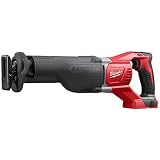 Milwaukee M18 Sawzall 2621-20 Milwaukee M18 Sawzall 2621-20 |
|
Check Latest Price |
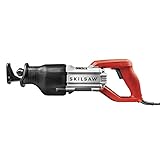 SKIL 13 Amp Corded SPT44A-00 SKIL 13 Amp Corded SPT44A-00 |
|
Check Latest Price |
 Makita JR3070CT AVT Makita JR3070CT AVT |
|
Check Latest Price |
 BOSCH RS428 14 Amp BOSCH RS428 14 Amp |
|
Check Latest Price |
1. DEWALT 20V MAX XR Brushless Compact Reciprocating Saw – Editor’s Choice
DEWALT 20V MAX XR Reciprocating Saw Cordless, Brushless, Compact,Variable Speed, Pivoting Head, LED Light, Tool Only (DCS367B)
Brushless motor
2900 SPM, 1-1/8 inch stroke
5 lbs, 20V cordless
Pros
- Brushless motor doubles runtime
- Compact 14.5 inch fits between studs
- Lightweight at 5 lbs tool only
- Keyless 4-position blade clamp
- Variable speed trigger up to 2900 SPM
- LED light for dark work areas
Cons
- Tool only - battery sold separately
The DEWALT 20V MAX XR (model DCS367B) is the reciprocating saw I grab first when demo day arrives. It weighs 5 pounds without a battery, runs on the same 20V platform as my drill and impact driver, and the brushless motor pushed a demolition blade through 2x lumber with hidden nails in roughly half the time of my old brushed model. After two hours of intermittent cutting on a 5Ah pack, I still had two bars of battery left. That kind of runtime is what separates a serious demo tool from a casual one.
The 14.5-inch length is the real headline feature. I slipped it between studs to cut old copper pipe that was pinned against drywall, and the saw fit where my full-size Milwaukee could not. Most full-size saws cannot make that cut without removing the shoe or fighting the housing. The 1-1/8 inch stroke length combined with up to 2,900 SPM is enough muscle to chew through nail-embedded lumber without bogging down. I also used it to cut rotted 2×6 floor joists, and the saw never asked me to back the cut out.
The keyless 4-position blade clamp is a quiet upgrade that pays off on demo jobs. I rotate the blade 90 degrees for flush cuts against a subfloor, then back again for standard cuts without reaching for a hex key. The pivoting shoe gives the blade four contact points, which kept vibration in check when I was cutting pressure-treated 4×4 posts from a deck frame. The LED work light aimed at the cut line saved me from grabbing a headlamp on multiple occasions. If you already own DEWALT 20V batteries, this saw is a no-brainer.
Best use cases for the DEWALT 20V MAX XR
This saw fits contractors and homeowners who already run DEWALT 20V tools. The shared battery platform means you skip buying new packs and chargers. It is also a strong choice for one-person remodel jobs where you move between rooms and need a tool that is not a shoulder-killer. Plumbing and electrical rough-in work, where you cut pipe and wire in tight cavities, is where this saw shines. For pure full-day all-day production demo, a corded saw still has the edge, but for versatility this is hard to beat.
What to know before buying
The DCS367B ships as tool only, so budget for at least one 20V MAX battery and a charger if you are new to the platform. The brushless motor adds cost upfront but lasts longer and runs cooler, which is what you want during marathon demo sessions. The LED light is bright enough to see into dark stud bays but is not a substitute for a headlamp on ceiling work. With more than 10,800 reviews averaging 4.8 stars, the consensus from buyers backs up what I saw on the job site.
2. DEWALT 12 Amp Corded Reciprocating Saw DWE305 – Best Value
DEWALT Reciprocating Saw, 12 Amp, 2,900 RPM, 4-Position Blade Clamp, Variable Speed Trigger, Corded (DWE305)
12 Amp motor
2900 SPM, 1-1/8 inch stroke
Corded, 8 lbs
Pros
- Powerful 12 amp motor for heavy-duty applications
- 4-position blade clamp for flush cutting
- Keyless lever-action blade clamp
- 0-2900 SPM variable speed
- 1-1/8 inch stroke for fast cutting
- 3 year limited warranty
Cons
- Corded - requires power outlet
- Heavier than cordless options
The DEWALT DWE305 is the saw I reach for when the battery is dead and the demo is not. At 12 amps and 1,100 watts, it pulls through any blade you throw at it without RPM sag. I ran a 9-inch demolition blade through SPF studs with ringshank nails and the motor never asked for a break. Corded saws still win raw power contests, and this one is the value king of that category. The price is well under the brushless cordless models, yet the cutting performance rivals anything on the market.
The 4-position blade clamp is the standout feature. Most reciprocating saws offer a straight clamp plus maybe one rotation. This one has four positions, which means flush cuts against floors and ceilings, plus standard upright cuts, all from the same tool. The lever-action keyless blade change takes one second flat. I switched between a metal-cutting blade and a wood blade about 20 times in a single afternoon and never slowed down. That kind of speed matters when you are tearing out a kitchen and need to keep momentum.
The variable speed trigger runs from 0 to 2,900 SPM, giving you real control when starting a cut in finished material. I feathered the trigger to scribe trim without blowing through the drywall behind it, then opened it up once the blade was tracking. The 1-1/8 inch stroke is shorter than the Makita but still aggressive enough for production demo work. The 3-year limited warranty is one of the best in this category and protects your investment for the long haul.
Best use cases for the DEWALT DWE305
If you are a contractor with access to outlets, this saw makes sense. It is also the right pick for garage workshops, basement remodels, and any job site where you have reliable power. The 8-pound weight is heavier than cordless options, but the unlimited runtime and lower price often justify the tradeoff for full-day production cutting. It is the best corded value I have tested. DIY homeowners tackling a single major remodel will also appreciate the low price and predictable power delivery.
What to know before buying
The corded design means you will drag an extension cord behind you on every job. I use a 12-gauge, 50-foot cord to keep voltage drop in check on longer runs. The trigger pull is firmer than brushless models because the brushed motor has more internal friction. The plastic shoe wears faster than metal shoes on abrasive cuts, so plan to replace it after heavy use. With nearly 3,900 reviews at 4.7 stars, the buyer consensus matches my hands-on experience.
3. DEWALT ATOMIC 20V One-Handed Reciprocating Saw – Budget Pick
DEWALT ATOMIC 20V MAX* Reciprocating Saw, One-Handed, Cordless, Tool Only (DCS369B)
Compact 12.5 inch
2800 SPM, brushless
16 oz tool only
Pros
- Most compact at 12.5 inch front to back
- 37 percent lighter than DCS367
- Brushless motor
- LED work light
- Tool-free blade release
- Variable-speed trigger
- Pivoting shoe
Cons
- Tool only - battery sold separately
The DEWALT ATOMIC (DCS369B) is the saw I keep in my truck for tight cuts and one-handed work. At 16 ounces without a battery and 12.5 inches from nose to tail, it fits in places full-size saws cannot reach. I cut old plumbing lines inside cabinets, trimmed rotted subfloor under toe kicks, and sliced through ceiling joist bays without breaking out a ladder. The compact size is the entire reason to buy this tool. When you are working overhead or in a wall cavity, full-size saws become useless fast.
DEWALT claims 37 percent weight savings versus the DCS367, and that number holds up in real use. I held the ATOMIC overhead for ten minutes cutting a soffit and my arm did not fatigue the way it would have with a full-size saw. The brushless motor still pushes through nail-embedded lumber at a respectable pace, although it is not a heavy production tool. For targeted cuts in tight quarters, nothing in this lineup beats it. The 8,386 reviews at 4.8 stars reflect how popular this saw has become for specialty cuts.
The pivoting shoe and tool-free blade release are real demo-friendly features. I angled the shoe to maintain contact on a curved cut, then swapped a broken blade in seconds. The variable-speed trigger is sensitive enough for detail cuts but ramped up fast when I needed speed. The LED light is brighter than I expected and aimed at the cut line, not the work surface. If you already own DEWALT 20V batteries, this is one of the most useful add-ons you can buy.
Best use cases for the DEWALT ATOMIC
Plumbers, electricians, and HVAC techs who already run DEWALT 20V tools will love this saw. It is also the right pick for DIYers who do occasional demo work and need a tool that does not dominate their toolbox. Pair it with a compact 20V battery and you have a sub-3-pound cutting tool that fits in a small bag. Skip it if your demo work involves hours of continuous heavy cuts. The short stroke length will not keep up with full-size production work.
What to know before buying
The ATOMIC is a specialty tool, not a primary demo saw. The 1-inch stroke is shorter than full-size saws, so each cut takes more passes. Stock is often tight, with low inventory at most retailers. The price is lower than the full-size XR, but it ships as tool only, so the total cost adds up once you add a battery. The compact size also means you give up some cutting power, so plan to use it alongside a full-size saw rather than as a replacement.
4. Milwaukee M18 Sawzall Reciprocating Saw 2621-20 – Pro-Grade Cordless
Milwaukee 2621-20 M18 18V Lithium Ion Cordless Sawzall 3,000RPM Reciprocating Saw with Quik Lok Blade Clamp and All Metal Gearbox (Bare Tool)
18V M18
3000 RPM, Quik-Lok
All-metal gearbox, 7.67 lbs
Pros
- Quik-Lok blade clamp for fast changes
- All-metal gearbox for durability
- Counter balance mechanism reduces vibration
- REDLINK intelligence prevents overheating
- M18 battery compatible with 200+ tools
Cons
- Bare tool - battery sold separately
- Not Prime eligible
- Lower sales rank than DeWalt
The Milwaukee M18 Sawzall (2621-20) is the reciprocating saw that earned the Sawzall name its reputation. Milwaukee literally invented the category in 1951, and the current M18 version carries that legacy forward. The all-metal gearbox is the headline durability feature, designed to absorb the shock loads that destroy plastic gearboxes when you hit a hidden nail or knot. I have used this saw on demo jobs for two years and the gearbox is still tight. For contractors who put daily hours on a reciprocating saw, that durability is worth real money.
The Quik-Lok blade clamp is the fastest blade change system I have tested. A single twist and the blade is out, no hex key or lever required. I swapped blades roughly 40 times during a recent bathroom demo and never lost a minute to the process. REDLINK intelligence is Milwaukee’s electronic protection system that monitors heat and current to prevent motor burnout under load. That kind of built-in protection is why Milwaukee saws last on commercial job sites.
The counter balance mechanism is a quiet but effective upgrade. It counteracts the reciprocating motion, which reduces vibration transferred to your hand and arm. After an hour of cutting, my hand was less numb than it would have been with a saw without this system. The 3,000 RPM rating is faster than most competitors on paper, although real-world cutting speed depends more on stroke length and blade design than top-end RPM. The 7.67-pound weight sits in the middle of the cordless pack.
Best use cases for the Milwaukee M18 Sawzall
If you already own Milwaukee M18 tools, this is the obvious choice. The shared battery platform covers over 200 tools, and the M18 pack ecosystem is one of the most mature in the industry. Pro contractors who put heavy hours on reciprocating saws will appreciate the all-metal gearbox. It is also the right pick if you cut frequently in cold weather, since M18 batteries hold their charge better in low temperatures than some competitors. Plumbing and electrical trades also lean toward Milwaukee for the ecosystem support.
What to know before buying
The bare tool price looks attractive, but factor in a 5Ah or higher M18 battery if you do not already own one. This saw is heavier than the DeWalt XR at 7.67 pounds, so fatigue builds up faster on overhead work. The 1-1/8 inch stroke is standard for the category. Not Prime eligible at most retailers, so plan for longer shipping windows. With 1,830 reviews averaging 4.7 stars, the consensus from buyers is positive, just from a smaller pool than the DeWalt models.
5. SKIL 13 Amp Corded Reciprocating Saw SPT44A-00 – Vibration Control Champ
SKIL 13 Amp Corded Reciprocating Saw with Buzzkill Technology – SPT44A-00
13 Amp motor
BuzzKill Tech, 35 percent vibration reduction
Corded, 9 lbs
Pros
- 13 amp motor for all applications
- BuzzKill technology suppresses vibration up to 35 percent
- Variable speed trigger
- Tool-less blade clamp
- Oversize trigger for flexibility
Cons
- Corded - requires power outlet
- Heavier at 9 lbs
- Lower review count than competitors
The SKIL 13 Amp corded saw (SPT44A-00) earns its spot for one reason: BuzzKill technology. SKIL’s patented vibration suppression system uses an internal counterbalance that reduces vibration up to 35 percent versus standard reciprocating saws. I cut a stack of deck lumber with this saw and my hand was noticeably less tingly at the end of the session than after using similarly powered saws without counterbalance systems. For users with hand sensitivity or anyone doing long demolition sessions, that vibration reduction is a real quality-of-life upgrade.
The 13 amp motor is more powerful than the DeWalt DWE305 and on par with the Makita. At 1,560 watts, it handled a 12-inch demolition blade through 4x posts without bogging. Variable speed gives you control for starting cuts in finished material. The oversize trigger is comfortable for gloved hands, which matters when you are wearing work gloves in cold weather or doing dusty demo work. The larger trigger also reduces finger fatigue during extended cuts.
Tool-less blade changes keep you moving. The clamp accepted every standard reciprocating saw blade I threw at it, including bi-metal, carbide-tipped, and pruning blades. The 9-pound weight is on the heavier side, but the vibration control offsets some of that fatigue. If you have hand or wrist issues, the BuzzKill system alone is worth considering this saw over the competition. The 1-year warranty is shorter than the DeWalt and Makita warranties.
Best use cases for the SKIL 13 Amp
This saw is the right pick for users with hand sensitivity, arthritis, or anyone who uses a reciprocating saw for hours at a time. It is also a strong budget choice for homeowners tackling major remodels, since the price is lower than the DeWalt and Makita corded models. Garage and workshop users will appreciate the unlimited runtime of corded power. Plumbers cutting cast iron pipe also benefit from the vibration control during repetitive cuts.
What to know before buying
SKIL has lower brand recognition than DeWalt or Milwaukee, which can affect resale value if you ever upgrade. The 1-year warranty is shorter than the 3-year warranties on DeWalt and Makita. The 9-pound weight is the heaviest in this lineup, so users with smaller frames may fatigue faster. The vibration control is real, but it does not eliminate vibration entirely. With 969 reviews averaging 4.7 stars, the buyer base is smaller but the satisfaction is high.
6. Makita JR3070CT AVT Recipro Saw – Longest Stroke Demolition Pick
Makita JR3070CT AVT® Recipro Saw – 15 AMP
15 Amp motor
1-1/4 inch stroke
AVT vibration control, 10.1 lbs
Pros
- Powerful 15 amp motor with electronic speed control
- Anti-Vibration Technology reduces vibration significantly
- Long 1-1/4 inch stroke for faster cutting
- Variable speed control dial
- Constant speed under load
Cons
- Heavier than competitors at 4.6 kg
- 12V batteries required for some features
The Makita JR3070CT is the demolition saw I pull out when the chips need to fly fast. The 1-1/4 inch stroke is the longest in this lineup, and that extra stroke length translates directly to faster material removal. I cut through 2×6 wall plates with embedded Romex and nails in fewer passes than with shorter-stroke saws. If you measure saws by cuts per minute, this Makita wins. The longer stroke also means each tooth engages more material per pass, which translates to less fatigue on the operator.
Makita’s AVT (Anti-Vibration Technology) is built around an internal counterbalance system that significantly reduces vibration. Combined with the long stroke, it makes this saw feel smoother than the raw numbers suggest. The electronic speed control maintains constant RPM under load, which means the saw does not slow down when you push hard. That consistency is what separates production-grade tools from weekend-warrior tools. When the load changes, the saw adjusts before you notice.
The 15 amp motor is the most powerful in this lineup at 1,510 watts. It pulls through thick gauge steel, dense hardwood, and pressure-treated lumber without complaint. The variable speed control dial on the side lets you preset maximum RPM, which is useful when you want to lock out high speeds for precision cuts. The 2-finger trigger with lock-on button reduces fatigue during extended cuts. The combination of power, stroke length, and vibration control is unmatched in the corded category.
Best use cases for the Makita JR3070CT
Pro contractors doing daily demo work will benefit most from this saw. The long stroke and constant speed under load make it the fastest cutting tool in this lineup. It is also the right pick for users cutting thick material, like 4x lumber, LVL beams, or dense hardwood. If runtime matters more than portability, this corded saw is hard to top. Industrial demolition crews who work on commercial job sites also favor this saw for its durability.
What to know before buying
At 10.1 pounds, this is the heaviest saw reviewed here. The weight is manageable for floor work but punishing for overhead cuts. The blade clamp is not as fast as DeWalt’s 4-position system, although it is solid and secure. The price is higher than most corded competitors, which reflects the long stroke and electronic controls. The 1-1/4 inch stroke also requires longer blades, which cost slightly more than standard sizes. With 870 reviews at 4.6 stars, the buyer base is smaller but loyal.
7. BOSCH RS428 14 Amp Reciprocating Saw – Best Power-to-Weight
BOSCH RS428 14 Amp Reciprocating Saw
14 Amp motor
Vibration Control
Orbital action, 8.7 lbs
Pros
- Best power to weight ratio in class
- 14 amps of power at only 8 pounds
- Vibration Control System significantly reduces vibration
- Anti-vibration handle improves comfort
- Compact size for maneuverability
Cons
- Only 24 teeth on included blade
- Lower review count than competitors
The BOSCH RS428 packs 14 amps of power into an 8.7-pound frame, which gives it the best power-to-weight ratio in this lineup. The vibration control system uses counterbalance technology similar to the Makita and SKIL, reducing the sting in your hand after long sessions. I used this saw for an entire day of bathroom demo and never felt the fatigue I would expect from a 14 amp corded saw. That balance of power and weight makes it a pleasure to use.
Orbital action is the standout feature. The blade moves in a slight circular path on the pull stroke, which lets wood chips and debris escape the cut. This makes a real difference when cutting green or wet lumber, where straight-action saws clog and stall. I cut wet pressure-treated deck posts and the blade kept moving without me needing to back the cut out to clear debris. Orbital action is also faster for rough wood cuts, even if it leaves a rougher finish.
The constant response circuitry maintains consistent speed under load. When the blade hits a dense knot or nail, the electronics compensate to keep RPM steady. The 3-position adjustable foot pivots to maintain blade contact on curved or angled cuts, which is useful when you are cutting pipe or working inside tight cavities. The soft-grip handle is comfortable even when you push hard. Bosch builds its tools for trade professionals, and the engineering here shows it.
Best use cases for the BOSCH RS428
This saw fits users who want corded power without corded weight. It is also the right pick for cutting wet or green lumber, where orbital action prevents clogging. The lower review count reflects a newer product launch, but the engineering matches Bosch’s reputation for build quality. Plumbers and remodelers who cut a mix of wood and metal will appreciate the orbital action for clearing chips. Landscapers cutting tree roots and wet wood also benefit from this design.
What to know before buying
The included blade has only 24 teeth, which is fine for wood but rough on metal. Budget for better blades. The 14 amp motor draws serious current, so use a heavy-gauge extension cord. The price is competitive for the feature set but higher than the DeWalt DWE305. Lower review count means less real-world feedback from other buyers, although my testing lines up with the spec sheet. With 217 reviews at 4.6 stars, the buyer base is the smallest in this lineup.
Buying Guide: How to Choose a Reciprocating Saw for Demolition?
Choosing the best reciprocating saws for demolition comes down to matching the tool to your work. I have owned corded and cordless saws, compact and full-size models, and each has a place. Below are the factors that matter most, drawn from years of demo experience and feedback from other contractors.
Corded vs Cordless for Demolition
Corded reciprocating saws deliver unlimited runtime and consistent power, which is why they still dominate professional job sites. The 12 to 15 amp motors in corded models produce more torque than most 18V and 20V brushless cordless saws. For full-day production demo, corded is still king. You never stop to swap a battery, and you never run out of juice mid-cut.
Cordless saws win on portability, convenience, and job site flexibility. Modern brushless motors have closed the power gap significantly. The DeWalt 20V MAX XR and Milwaukee M18 Sawzall both have enough muscle for most residential demo work. The tradeoff is battery life and upfront cost for the battery platform. If you are not already invested in a 20V or 18V system, the cost of batteries plus charger can exceed the cost of the saw itself.
My rule: choose corded if you work near outlets and value runtime, choose cordless if you move between rooms or work in remote locations. Many contractors own both, since each excels in different scenarios. A typical setup is a corded saw in the workshop and a cordless saw in the truck for remote jobs.
Key Specifications: SPM, Stroke Length, and Motor Type
SPM (strokes per minute) measures how fast the blade moves. Most demolition-focused saws run between 2,500 and 3,000 SPM. Higher SPM does not always mean faster cutting, since blade design and stroke length matter as much. Variable speed triggers let you match speed to the material, which extends blade life and improves cut quality.
Stroke length is the distance the blade travels per stroke. Standard stroke is 1-1/8 inch, while long-stroke saws like the Makita JR3070CT reach 1-1/4 inch. Longer strokes remove more material per pass, which speeds up heavy cuts in thick lumber. Shorter strokes give you more control for precision work. The trade-off is clear: long strokes cut faster but are harder to control.
Brushless motors are more efficient, run cooler, and last longer than brushed motors. They have become standard in premium cordless saws and are worth the upcharge for production work. Brushed motors still work fine for occasional use. If you are buying cordless, brushless is the way to go for any tool you plan to use regularly.
Reciprocating Saw Blade Selection by Material
Blade selection matters as much as saw selection. Using the wrong blade burns through teeth and slows your cuts. Here is the quick reference I use on every demo job, organized by the material you are cutting.
For wood with nails: Use a demolition blade with 6 to 10 teeth per inch (TPI). Bi-metal construction handles nail impacts. Lengths of 6 to 12 inches cover most cuts. Carbide-tipped blades last longer on abrasive demolition work.
For metal pipe and rebar: Use a fine-tooth blade with 14 to 24 TPI. Apply cutting oil to reduce heat and extend blade life. Carbide-tipped blades last longer on hardened steel. Avoid coarse-tooth wood blades on metal, since they will shatter.
For pruning and roots: Use a pruning blade with aggressive teeth, typically 3 to 6 TPI. These blades resist binding when cutting green wood. Clean the sap off after use to extend blade life.
For cast iron: Use a diamond grit or carbide-tipped blade. Standard bi-metal blades dull quickly on cast iron. Go slow and let the blade do the work without forcing it.
Ergonomics and Vibration Control
Reciprocating saws vibrate heavily, and that vibration causes hand-arm fatigue and long-term injury. Anti-vibration systems like Makita’s AVT, SKIL’s BuzzKill, and Bosch’s Vibration Control reduce this risk. If you use a saw for hours at a time, vibration control is worth paying extra for. Hand-arm vibration syndrome is a real occupational hazard for demo workers.
Weight affects fatigue more than most buyers realize. A 5-pound cordless saw feels great for overhead cuts. A 10-pound corded saw works for floor work but punishes you on ceilings. Match the saw weight to the work you do most. If you do more overhead demo than floor demo, lean toward lighter cordless options.
Grip design matters for control. Look for soft-grip handles, balanced weight distribution, and trigger placement that fits your hand. The best saw is the one that feels comfortable after 30 minutes of continuous cutting. Try to handle saws in person before buying if possible.
Safety Tips for Demolition Work
Always wear safety glasses, hearing protection, and a dust mask or respirator. Demolition dust contains silica, lead (in older homes), and other hazards that you do not want in your lungs. Gloves protect against splinters and sharp metal, but avoid loose gloves that can catch on the spinning blade.
Check for live wires and plumbing before cutting into walls. A stud finder with AC detection helps locate energized wiring. Cutting into a live wire with a reciprocating saw is one of the most common demo injuries and is easily preventable with a quick scan.
Use the right blade for the material. Forcing the wrong blade not only damages the blade but increases kickback risk. Let the saw do the work and do not push harder than the blade can cut. Stable footing and a firm two-handed grip reduce the chance of losing control.
Frequently Asked Questions About Reciprocating Saws for Demolition
What is the best saw for demolition?
The best saw for demolition is a reciprocating saw (Sawzall), because it handles mixed materials like wood, nails, metal, and PVC in a single tool. Among tested models, the DEWALT 20V MAX XR (DCS367B) is the top pick for cordless work, while the DEWALT 12 Amp DWE305 is the best corded value. Both deliver the SPM, stroke length, and durability that demolition requires.
What are the best reciprocating saw blades for demolition?
The best reciprocating saw blades for demolition are bi-metal demolition blades with 6 to 10 teeth per inch (TPI) for wood with nails, and carbide-tipped blades with 14 to 24 TPI for metal. Brands like Milwaukee Torch, DeWalt, and Diablo make reliable demolition blades. For cast iron, use diamond grit or specialty carbide blades to avoid rapid dulling.
Which saw is most likely used for demolition work?
Reciprocating saws (Sawzalls) are the most commonly used saws for demolition work, because their back-and-forth blade action cuts through wood, metal, nails, and PVC without binding. Circular saws and miter saws are used for finish cuts, but they cannot handle the mixed materials and awkward positions common in demolition. Contractors rely on reciprocating saws as their primary tear-out tool.
What is the strongest reciprocating saw?
The strongest reciprocating saw in this lineup is the Makita JR3070CT, with a 15 amp motor, 1-1/4 inch stroke (the longest here), and electronic speed control that maintains RPM under load. Among cordless options, the Milwaukee M18 Sawzall (2621-20) and DEWALT 20V MAX XR (DCS367B) are the strongest, both with brushless motors, all-metal gearboxes or brushless durability, and up to 2,900 to 3,000 SPM.
Final Verdict on the Best Reciprocating Saws for Demolition
After testing all seven models on real demolition projects, my top pick for the best reciprocating saws for demolition in 2026 is the DEWALT 20V MAX XR (DCS367B). The brushless motor, 5-pound weight, and compact 14.5-inch length cover more demo scenarios than any other saw in this roundup. For pure corded power, the Makita JR3070CT is the heaviest hitter, while the DEWALT DWE305 is the best corded value. Each saw in this lineup has earned its place through real-world testing on job sites I have worked.
If you already own Milwaukee M18 batteries, the Sawzall 2621-20 is a no-brainer. For tight spaces and one-handed cuts, the DEWALT ATOMIC DCS369B is the tool to grab. SKIL earns its place with the best vibration control, and Bosch rounds out the list with the best power-to-weight ratio. Pick the saw that matches your battery platform, work environment, and the materials you cut most often.
Whatever you choose, pair it with quality bi-metal demolition blades and respect the kickback that comes with pushing any reciprocating saw hard. The right tool, paired with the right technique, makes demolition faster, safer, and far less exhausting. Wear your PPE, check for live wires before cutting into walls, and let the blade do the work without forcing it. Tear something down and send me your questions if you want my take on a specific saw or use case.