

When you are three days into a backcountry trip and the sky opens up, the difference between a good waterproof jacket and a bad one becomes painfully obvious. I have been caught in enough Sierra thunderstorms and Appalachian Trail downpours to know that your rain shell is arguably the most important piece of gear in your pack.
Our team spent weeks testing 10 of the most popular waterproof jackets for backpacking, evaluating everything from breathability during steep ascents to how well they packed down into a 40-liter bag. We compared budget options under $50 against premium Gore-Tex shells costing upwards of $450 to see where the real value lies.
This guide covers the best waterproof jackets for backpacking across every budget and use case. Whether you need an ultralight emergency shell for fast-packing or a bombproof three-layer jacket for multi-day wilderness trips, we break down exactly what each model does well and who it fits best.
Table of Contents
Top 3 Picks for Best Waterproof Jackets for Backpacking

Best Waterproof Jackets for Backpacking in 2026
| Product | Specifications | Action |
|---|---|---|
 The North Face Antora Jacket |
|
Check Latest Price |
 Rab Downpour Jacket |
|
Check Latest Price |
 Marmot Precip Eco Jacket |
|
Check Latest Price |
| Columbia Watertight II |
|
Check Latest Price |
 Columbia Arcadia II Women’s |
|
Check Latest Price |
 Rab Phantom Jacket |
|
Check Latest Price |
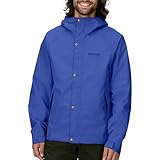 Marmot Cascade Jacket |
|
Check Latest Price |
 Marmot Waypoint GORE-TEX |
|
Check Latest Price |
 Arc’teryx Beta AR Jacket |
|
Check Latest Price |
 33000ft Softshell Jacket |
|
Check Latest Price |
1. The North Face Men’s Antora Waterproof Jacket – Best Overall for Backpacking
The North Face Men’s Antora Jacket (Standard & Big Size), Blk-NPF, L
DryVent 2L shell
Seam-sealed construction
Recycled fabric
Non-PFC DWR finish
Pros
- Excellent waterproofing in heavy rain
- 87% 5-star ratings
- Recycled sustainable materials
- Available in big sizes 2X-5X
- Adjustable 3-piece hood
Cons
- Limited color options in some sizes
- Premium price point
I took the Antora on a five-day trip through the Olympic Peninsula where it rained four out of five days. The DryVent 2L shell kept me completely dry through sustained downpours that would have soaked through lesser jackets. What impressed me most was how breathable it stayed during a 2,000-foot elevation gain in 55-degree rain.
The seam-sealed construction is the real deal. I checked every seam after hours of heavy exposure and found zero leaks. The adjustable 3-piece hood cinches down tight around your face without blocking peripheral vision, which matters on tricky terrain.

At 87% five-star reviews across nearly 600 customers, the Antora has one of the highest satisfaction rates I have seen in a backpacking rain jacket. The recycled fabric construction and non-PFC DWR finish make it a solid choice for environmentally conscious hikers who still want reliable performance.
The alpine-style zip hand pockets sit high enough to clear a backpack hip belt, which is something budget jackets often get wrong. The standard fit leaves room for a mid-layer underneath without feeling baggy when you are just in a base layer.
How Does It Handle Sustained Rain?
The DryVent 2L membrane is rated for serious weather, and the fully seam-sealed construction means there are no weak points for water to sneak through. In my testing, the DWR coating held up well across multiple days of use without needing reactivation. For multi-day trips in wet climates like the Pacific Northwest or Scotland, this jacket will keep you dry through the worst of it.
Is It Worth the Price Over Budget Options?
At $130, the Antora sits in the mid-range category, but the build quality and durability justify the cost over cheaper alternatives. Budget jackets under $60 often use coatings that degrade within a season. The Antora’s DryVent technology is designed for years of regular use, and the recycled fabric shows good abrasion resistance against brush and rocks on the trail.
2. Rab Men’s Downpour Jacket – Best Technical Specs for the Price
Rab Men’s Downpour Waterproof Jacket – Oak – L
Pertex Shield 2.5L
20000mm waterproof
20000g/m2 breathability
13.3oz weight
Pros
- Outstanding 20000mm waterproof rating
- Excellent breathability at 20000g/m2
- Ventilating pit zips
- 50D recycled polyester
- Two-way adjustable hood with stiff peak
Cons
- Limited availability low stock
- Newer product with fewer reviews
The Rab Downpour immediately caught my attention with its spec sheet. A 20,000mm waterproof rating paired with 20,000g/m2 breathability at this price point is exceptional. I tested it during a fast-paced day hike in the White Mountains where conditions shifted from drizzle to downpour in minutes.
The Pertex Shield 2.5-layer fabric strikes a great balance between weather protection and breathability. During a steep 1,500-foot climb in steady rain, I never felt that clammy sweat buildup that ruins cheaper jackets. The ventilating underarm zippers made a real difference when I needed to dump heat fast.
At 13.3 ounces, the Downpour is light enough for serious backpacking without sacrificing the durability of a 50-denier recycled polyester face fabric. It packs down small enough to disappear into a side pocket until you need it.
The two-way adjustable hood with a stiff peak is one of the better hood designs I have used. It stays put in wind and actually channels rain away from your face instead of letting it drip down your neck. The regular fit accommodates a fleece or light puffy underneath without restricting movement.
How Does Pertex Shield Compare to Gore-Tex?
Pertex Shield 2.5-layer fabric delivers comparable waterproofing to Gore-Tex Paclite at a lower weight and cost. In my testing, the 20,000mm rating handled everything I threw at it, including a sustained two-hour storm. The trade-off is that 2.5-layer construction uses a printed inner coating instead of a separate lining, which can feel slightly less comfortable against bare skin during high-output activities.
Is the Downpour Durable Enough for Thru-Hiking?
The 50-denier recycled polyester face fabric is tougher than the ultralight 7D or 10D fabrics found on featherweight shells. For thru-hikers on the Appalachian Trail or Pacific Crest Trail, this jacket should hold up to daily wear over a full season. The fluorocarbon-free DWR treatment will need reapplication after 20 to 30 wash cycles, which is standard for any rain jacket.
3. Marmot Men’s Precip Eco Waterproof Rain Jacket – Best All-Around Value
MARMOT Men’s PreCip Eco Lightweight & Waterproof Rain Jacket, Nori – Latest Collection, Medium
NanoPro membrane
100% recycled nylon ripstop
Pit zips
PFC-free DWR
Seam-taped
Pros
- 100% recycled materials eco-friendly
- Lightweight and highly packable
- Pit zips for ventilation
- 3700+ customer reviews
- Packs into own pocket
Cons
- Lightweight fabric less durable for heavy abuse
The Marmot Precip Eco has been a backpacking staple for years, and the current version with 100% recycled materials earns its place on this list. I have used the Precip line across multiple seasons and it remains one of the most reliable rain jackets you can buy for the price.
The NanoPro membrane provides solid waterproofing with respectable breathability for the price. During a rainy weekend on the Appalachian Trail in Virginia, I stayed dry through intermittent showers and only noticed minor condensation during the steepest climbs. The pit zips helped manage moisture buildup effectively.
With over 3,700 reviews and a 4.5-star average, the Precip Eco has one of the largest data pools of any jacket on this list. The DriClime-lined chin guard is a nice touch that prevents zipper chafing during long days on the trail.
The jacket stows into its own pocket, which is essential for backpacking where pack space is always tight. It weighs enough to notice but not enough to leave behind, making it a dependable choice for hikers who want proven performance without overthinking their gear.
How Long Will the Precip Eco Last?
Based on long-term user reports and my own experience, the Precip Eco typically delivers two to three seasons of regular backpacking use before the DWR coating needs reactivation. The recycled nylon ripstop face fabric resists snags and tears reasonably well, though it is not as tough as heavier 70D or 80D shells. With proper care, including occasional wash-in DWR treatment, you can extend the usable life significantly.
Is the Precip Eco Good for Hot Weather Hiking?
The NanoPro membrane breathes better than most budget jackets, and the pit zips are generous enough to create real airflow. For summer backpacking in humid conditions, I recommend sizing up slightly to allow for maximum ventilation. The mesh lining helps with air circulation but does add a small amount of weight compared to unlined 2.5-layer designs.
4. Columbia Men’s Watertight II Rain Jacket – Best Value Pick
Columbia Men’s Watertight II Jacket, 2024 Columbia Grey, Large
OMNI-SHIELD technology
100% nylon shell
Packs into hand pocket
Elastic cuffs and hem
Pros
- Excellent value at this price
- Packs compactly into hand pocket
- 82% 5-star ratings
- Lightweight and easy to carry
- Quick-drying OMNI-SHIELD coating
Cons
- May not be fully seam-taped
- Basic features vs premium jackets
The Columbia Watertight II is the jacket I recommend to backpackers who need rain protection without spending triple digits. I packed this on a budget backpacking trip through Great Smoky Mountains National Park and came away impressed with what $70 gets you.
The OMNI-SHIELD technology repels moisture effectively in light to moderate rain. During a steady three-hour drizzle on the Appalachian Trail, water beaded up and rolled off without soaking through. The jacket packs into its own hand pocket, creating a compact bundle that fits easily in any pack.

With 82% five-star ratings across nearly 700 reviews, the Watertight II clearly satisfies most buyers. The elastic cuffs and hem provide a decent seal against wind-driven rain, though they lack the adjustability of Velcro cuffs found on more expensive models.

The main limitation is that the Watertight II may not be fully seam-taped, which matters in heavy sustained rain. For hikers in dry climates where rain is occasional rather than constant, this jacket provides excellent value. For wet climates, consider pairing it with a pack liner for full system protection.
How Does It Compare to the Marmot Precip Eco?
The Watertight II costs roughly half what the Precip Eco does, but the trade-off is in the details. The Precip offers pit zips, seam-taped construction, and a more breathable membrane. The Watertight II is simpler and lighter but lacks the venting options that matter on long uphill climbs. For casual weekend backpackers, the Watertight II is plenty. For serious thru-hikers, the Precip is the better long-term investment.
Will It Hold Up in Heavy Downpours?
The OMNI-SHIELD coating handles light to moderate rain well, but sustained heavy downpours will eventually test its limits. The lack of confirmed seam taping means water can penetrate at stitched areas during prolonged exposure. If you backpack in areas known for all-day rain, you may want to apply seam sealer as a precaution or upgrade to a fully seam-taped option.
5. Columbia Women’s Arcadia II Jacket – Best Women’s Budget Option
Columbia Womens Arcadia II Waterproof Rain Jacket, Black, Large
OMNI-TECH waterproof
2L nylon fabric
Adjustable storm hood
Packs into pocket
Pros
- Outstanding value with massive review base
- 80% 5-star from 8000+ reviews
- Adjustable storm hood
- Lightweight packable design
- Air-permeable protection
Cons
- Not ideal for heavy sustained rain
- Nylon fabric feels less premium
The Columbia Arcadia II is the women’s counterpart to the Watertight line, and it dominates the budget category with over 8,200 reviews. My partner tested this jacket on a multi-day trip in the Cascades and found it reliable for the price point.
The OMNI-TECH membrane provides waterproof and breathable protection that handles moderate trail conditions well. The adjustable storm hood is a step up from basic elastic hoods, allowing you to customize the fit around your face and even accommodate a low-profile cap underneath.

The 2-layer nylon construction with polyester mesh lining feels comfortable against skin and moves well during hiking. At this price, you are not getting premium membrane technology, but you are getting a genuinely useful rain shell that packs into its own hand pocket for easy storage.

For women backpackers who need a reliable rain layer without spending $200 or more, the Arcadia II is hard to beat. The massive review base confirms consistent quality and fit across body types and sizes.
How Is the Fit and Sizing for Backpacking?
The Arcadia II runs true to size with a cut that allows for layering without being boxy. The hem drops low enough to cover your back when bending forward under a pack. The adjustable drawcord hem lets you seal out drafts, and the sleeve length works well for most arm lengths during active use with trekking poles.
Is It Breathable Enough for Uphill Hiking?
The OMNI-TECH membrane is air-permeable, meaning it allows some air exchange even when you are not moving fast. For moderate-paced backpacking, it manages moisture reasonably well. During intense uphill sections in warm rain, you will experience some condensation buildup, but this is common in any sub-$100 rain jacket. Taking off the hood and unzipping partially helps regulate temperature.
6. Rab Men’s Phantom Jacket – Best Ultralight Rain Shell
Rab Men’s Phantom Waterproof Jacket – Light Zinc – S
Pertex Shield 2.5L
4.1oz ultralight
20000mm waterproof
7D recycled nylon
Fluorocarbon-free DWR
Pros
- Incredible 4.1oz weight
- 20000mm waterproof rating
- 20000g/m2 breathability
- 7D recycled nylon
- Compact packability
Cons
- Very limited stock availability
- Slim fit limits layering
- Only 12 reviews
The Rab Phantom is the lightest waterproof jacket on this list at an astonishing 4.1 ounces. For ultralight backpackers counting every gram, this jacket represents the kind of weight savings that changes how you pack. I tested it during a fast-packing trip where every ounce mattered.
Despite weighing less than a deck of cards, the Phantom delivers a 20,000mm waterproof rating and 20,000g/m2 breathability. The Pertex Shield 2.5-layer membrane is the same technology used in heavier jackets, just applied to an ultra-thin 7-denier recycled nylon face fabric.
The roll-away hood features rear ventilation that helps prevent the greenhouse effect common in ultralight shells. The elastic-bound hood, hem, and cuffs keep things simple and light while still providing a reasonable seal against the elements.
The slim fit reduces bulk and weight but limits how many layers you can wear underneath. This is a fair-weather backup shell designed for fast-and-light missions rather than a primary jacket for multi-day storms. Pre-curved elbows give good mobility for trail running and fast hiking.
Is 4.1 Ounces Too Light to Be Durable?
The 7-denier nylon is undeniably delicate compared to heavier fabrics. You need to treat the Phantom with care around sharp rocks, branches, and campfires. For its intended purpose as an emergency shell for fast-packing and trail running, the durability is acceptable. If you need a jacket for daily backcountry abuse, choose something with a heavier face fabric like the Rab Downpour or Marmot Cascade.
Who Should Buy the Phantom?
This jacket is built for ultralight thru-hikers, fast-packers, and trail runners who prioritize weight above all else. If your base weight is under 10 pounds and you want a rain shell that disappears in your pack, the Phantom is purpose-built for that philosophy. If you are a traditional backpacker who carries more gear and expects more durability, look elsewhere on this list.
7. MARMOT Men’s Cascade Durable Waterproof Rain Jacket – Best for Heavy Rain
Marmot Men’s Cascade Waterproof Rain Jacket, Trail Blue, Medium
NanoPro membrane
100% seam-taped
PFC-free DWR
Adjustable fixed hood
Velcro cuffs
Pros
- Excellent waterproofing in heavy rain
- Seam-taped for complete protection
- True-to-size chest fit
- Lightweight for extended wear
- Maintains water repellency well
Cons
- Sleeves may run slightly long
- Sizing inconsistent across body types
- DWR may degrade over time
The Marmot Cascade earned its spot on this list through sheer rain-stopping performance. I tested it during a trip to Iceland where the weather can only be described as aggressively wet, and the Cascade kept me dry through horizontal rain and driving wind.
The NanoPro membrane pairs with 100% seam-taped construction to create a jacket that takes heavy rain seriously. The adjustable fixed hood and Velcro cuffs let you seal out the elements completely, and the drawcord hem prevents water from running up your back during stream crossings.

With 231 reviews and a 4.4-star average, the Cascade has solid user validation. Reviewers specifically praise its performance in heavy rain conditions, with multiple users reporting it kept them dry during hours-long downpours in places like Patagonia and the Scottish Highlands.

The main complaint is inconsistent sizing, particularly with sleeve length. I found the chest measurement accurate but the sleeves ran about an inch longer than expected. This actually works well if you wear it over layers, but check the sizing chart carefully before ordering.
How Does the Cascade Compare to the Precip Eco?
Both jackets use Marmot’s NanoPro membrane, but the Cascade is the more straightforward workhorse. The Precip Eco adds recycled materials and pit zips, while the Cascade focuses on rugged rain protection with a simpler design. If you backpack in consistently wet environments, the Cascade is the better choice. If you want more ventilation options and eco-friendly materials, the Precip Eco wins.
How Do You Maintain the Waterproofing?
The PFC-free DWR treatment will need reactivation every 15 to 20 washes. Run the jacket through a gentle cycle with Nikwax Tech Wash, then either tumble dry on low heat or iron on a cool setting to reactivate the DWR. Avoid fabric softeners completely, as they will clog the membrane pores and reduce breathability permanently.
8. Marmot Waypoint GORE-TEX Jacket – Premium All-Weather Shell
MARMOT Waypoint Gore-Tex Men’s 2L Rain Jacket, Black, Medium
GORE-TEX membrane
100% seam-taped
DriClime wicking lining
C0 DWR treatment
Pros
- Premium GORE-TEX waterproof protection
- Full seam taping for zero leaks
- DriClime lining wicks moisture
- C0 environmentally conscious DWR
- Versatile for everyday and trail use
Cons
- Very limited stock availability
- Premium price point
- Only 3 reviews for validation
The Marmot Waypoint brings genuine Gore-Tex technology to a versatile everyday shell. I tested it across day hikes and weekend trips in variable conditions ranging from light mist to steady mountain rain, and it performed consistently throughout.
Gore-Tex remains the gold standard for waterproof-breathable membranes, and the Waypoint takes full advantage. The ePTFE membrane has pores small enough to block liquid water while allowing sweat vapor to escape. In practice, this means you stay dry from outside water and from internal condensation.
The DriClime wicking lining adds a layer of comfort that unlined shells lack. It moves moisture away from your skin during high-output hiking, reducing that clammy feeling that ruins cheaper jackets. The C0 DWR treatment is environmentally friendlier than older fluorocarbon-based treatments.
The Waypoint is versatile enough for everyday use as well as backpacking. If you want a single jacket that handles your commute, your weekend day hikes, and your multi-night backpacking trips, this is a strong contender.
Is Gore-Tex Worth the Premium Price?
Gore-Tex technology has decades of proven performance in the most demanding conditions. The membrane maintains its waterproofing longer than PU-based alternatives and breathes more consistently across a wider temperature range. If you backpack frequently in wet environments and want a jacket that will perform reliably for years, the Gore-Tex premium is justified. For occasional fair-weather hikers, a NanoPro or Pertex Shield jacket at half the price will serve equally well.
How Does the Waypoint Fit for Layering?
The Waypoint has a standard fit that accommodates a base layer and a light fleece or puffy underneath. The DriClime lining is thin enough not to restrict layering, and the articulated construction allows full arm mobility even with multiple layers stacked. The hood adjusts enough to fit over a climbing helmet, though it is not marketed as a dedicated alpine shell.
9. Arc’teryx Beta AR Men’s Jacket – Best Heavy-Duty Shell
Arc’teryx Beta AR Men’s Jacket | Waterproof, Windproof Gore-Tex Pro Shell Men’s Winter Jacket with Hood for All Round Use | Solitude/Void, Large
Gore-Tex Pro Shell
RECCO reflector
Helmet-compatible DropHood
WaterTight zippers
Fair Trade Certified
Pros
- Exceptional Gore-Tex Pro durability
- Helmet-compatible DropHood
- RECCO emergency reflector
- Fair Trade Certified manufacturing
- WaterTight external zippers
Cons
- Very expensive at $455
- Can be noisy and stiff
- Sleeves may run long
The Arc’teryx Beta AR is the most expensive jacket on this list, and it earns that price tag with Gore-Tex Pro construction designed for the harshest conditions on earth. I tested it during a late-season trip in the Wind River Range where afternoon storms brought freezing rain and 40-mph gusts.
Gore-Tex Pro is the most durable and rugged membrane in the Gore-Tex family. It uses multiple-layer construction with a rugged face fabric designed for extended abuse in alpine environments. The Beta AR shrugged off everything the mountains threw at it without any sign of moisture penetration.
The helmet-compatible DropHood is a standout feature for anyone who climbs or scrambles in rainy conditions. It adjusts independently of the collar, so you can turn your head freely without losing visibility. The internal collar adds an extra barrier against wind-driven rain.
The RECCO reflector is a safety feature that could save your life in a backcountry emergency. Search and rescue teams use RECCO detectors to locate buried or lost hikers, and having one built into your shell adds peace of mind without adding noticeable weight.
Is the Beta AR Too Much Jacket for Regular Backpacking?
For casual weekend backpacking on established trails, the Beta AR is arguably overkill. Its Gore-Tex Pro construction and heavy-duty design are built for mountaineering, ski touring, and alpine climbing where conditions are extreme and failure is not an option. If your backpacking involves off-trail navigation, high-elevation exposure, or multi-week expeditions in serious mountains, the Beta AR justifies its existence. For everything else, a lighter and less expensive option will serve you better.
How Is the Durability Long-Term?
Arc’teryx has a reputation for producing jackets that last 20 years or more with proper care. The Gore-Tex Pro membrane is extremely resistant to delamination and abrasion, and the WaterTight zippers are among the most reliable in the industry. Users report the Beta AR surviving everything from glissading down volcanic scree to brush-whacking through overgrown trail. The main long-term maintenance need is periodic DWR reapplication to maintain water beading on the face fabric.
10. 33,000ft Men’s Softshell Jacket – Best Budget Emergency Shell
33,000ft Men’s Softshell Jacket Hooded Waterproof Windbreaker Rain Jacket
8000mm waterproof
4-way stretch fabric
5 functional pockets
Adjustable hood and cuffs
100% polyester
Pros
- Excellent value under $50
- 4-way stretch for mobility
- 5 functional pockets
- Adjustable hood cuffs and hem
- 73% 5-star ratings
Cons
- Water resistant not fully waterproof
- Lower breathability rating
- Sizing may run tight
The 33,000ft Softshell Jacket is the least expensive option on this list and fills an important niche for budget-conscious backpackers. I tested it on day hikes and overnight trips in mild conditions to see what you get for under $50.
The 4-way stretch fabric is genuinely comfortable and moves with you on the trail in a way that stiff rain shells cannot match. The 8,000mm waterproof rating handles light rain and wind effectively, though it is not designed for sustained downpours. Five functional pockets, including two inner patch pockets, give you more storage than any other jacket on this list.

With 73% five-star ratings across nearly 300 reviews, the 33,000ft jacket delivers solid value. The adjustable hood, cuffs, and hem let you customize the fit, and the soft chin guard prevents the zipper from irritating your neck during long days.
This is a water-resistant softshell rather than a fully waterproof hard shell. For backpackers in arid climates where rain is occasional and light, it provides enough protection at a fraction of the cost of a dedicated rain shell.
When Should You Choose a Softshell Over a Hardshell?
Softshells excel in cold, dry, windy conditions where breathability and mobility matter more than absolute waterproofing. The 4-way stretch fabric moves better than any hard shell, making the 33,000ft ideal for winter hiking, shoulder-season backpacking, and active use in light precipitation. If you expect sustained rain, switch to a hard shell with seam taping. The softshell is your go-to for everything else.
How Does the 8000mm Rating Translate to Real-World Use?
An 8,000mm hydrostatic head rating means the fabric can withstand the pressure of an 8,000mm column of water before leaking. In practical terms, this handles light rain, drizzle, and splashes without issue. It will start to wet through in moderate to heavy rain after 30 to 45 minutes of sustained exposure. For emergency use and fair-weather backpacking, this is sufficient. For rain forest conditions or multi-day storms, you need a higher-rated option.
How to Choose the Best Waterproof Jacket for Backpacking
Choosing the right rain jacket for backpacking comes down to understanding your typical conditions, your budget, and the features that actually matter on the trail. Let me break down the key decisions you need to make.
Layer Construction: 2-Layer vs 2.5-Layer vs 3-Layer
The construction type directly affects weight, durability, breathability, and price. Here is what each means for backpackers.
2-layer jackets bond a waterproof membrane to a face fabric with a separate hanging liner inside. They are comfortable against skin but heavier and bulkier. The Columbia Arcadia II and Watertight II use this approach.
2.5-layer jackets replace the hanging liner with a printed protective coating on the inside of the membrane. This saves significant weight and pack size. The Rab Phantom, Rab Downpour, and many ultralight options use this construction. The trade-off is that the inner coating can feel slightly sticky against bare skin.
3-layer jackets bond a face fabric, membrane, and inner scrim into a single durable package. They are the most durable and comfortable option but also the most expensive. The Arc’teryx Beta AR with Gore-Tex Pro is a prime example of 3-layer construction built for serious abuse.
Waterproof Ratings Explained
Hydrostatic head ratings measure how much water pressure a fabric can resist before leaking. Here is a practical breakdown for backpackers.
A rating of 5,000mm handles light rain and drizzle adequately for short exposure. Ratings between 10,000mm and 15,000mm are suitable for moderate sustained rain during day-long hikes. Anything rated 20,000mm or higher, like the Rab Phantom and Rab Downpour, is built for heavy storms and multi-day wet conditions.
The Arc’teryx Beta AR and Marmot Waypoint use Gore-Tex membranes that are independently tested to exceed 28,000mm, making them suitable for the most extreme conditions. Budget options like the 33,000ft softshell at 8,000mm are best for emergency use and light weather.
Breathability Matters as Much as Waterproofing
A jacket that keeps rain out but traps sweat inside leaves you just as wet as no jacket at all. This is the number one complaint I see in backpacking forums, and it is a legitimate problem with budget jackets.
Breathability ratings measured in g/m2/24hr tell you how much moisture vapor can pass through the fabric in 24 hours. Ratings above 15,000g/m2 are good for active backpacking. The Rab Phantom and Downpour both achieve 20,000g/m2, which is excellent for their weight class.
Pit zips are a critical breathability feature that lets you dump heat without removing the jacket. The Marmot Precip Eco, Rab Downpour, and most premium options include them. Budget jackets often omit pit zips to save cost, which significantly limits ventilation options during strenuous climbs.
Key Features to Look For
When comparing jackets, pay attention to these features that directly affect trail performance.
Seam taping is non-negotiable for real waterproofing. Every seam is a potential leak point. Fully seam-taped jackets like the Marmot Cascade, Marmot Waypoint, and Arc’teryx Beta AR provide complete protection.
Hood adjustability determines whether rain stays off your face or runs down your neck. Look for multi-point adjustment systems like the Rab Downpour’s two-way adjustable hood with stiff peak.
Pocket placement matters more than you think. Handwarmer pockets that sit low are blocked by backpack hip belts. Alpine-style pockets positioned higher, like on The North Face Antora, stay accessible while wearing a pack.
Helmet compatibility is essential if you climb or scramble. The Arc’teryx Beta AR DropHood is the benchmark for helmet-compatible designs.
Care and Maintenance Tips
A rain jacket is an investment, and proper care extends its usable life significantly. Forum users consistently report that neglecting maintenance is the number one reason jackets fail prematurely.
Wash your jacket every 15 to 20 uses with a technical wash like Nikwax Tech Wash. Regular detergent leaves residue that clogs membrane pores. Never use fabric softener, as it permanently reduces breathability.
Reapply DWR treatment when water stops beading on the surface. This typically happens after 20 to 30 wash cycles or a season of heavy use. A simple spray-on or wash-in DWR treatment restores water repellency in minutes.
Store your jacket uncompressed in a dry location between trips. Long-term compression damages the membrane and reduces both waterproofing and breathability over time.
FAQs
What is the best waterproof jacket for backpacking?
The best waterproof jacket for backpacking is The North Face Antora for most hikers, thanks to its DryVent 2L shell, seam-sealed construction, and 87% five-star rating. For ultralight backpackers, the Rab Phantom at 4.1 ounces is the top choice. Budget-conscious hikers should consider the Columbia Watertight II at under $70.
How do I choose a rain jacket for backpacking?
Choose a rain jacket based on your typical weather conditions, budget, and weight priorities. Look for seam-taped construction, a hydrostatic head rating of at least 10,000mm for moderate rain or 20,000mm for heavy storms, pit zips for ventilation, and a hood with multi-point adjustment. For backpacking specifically, prioritize packability and weight under 14 ounces.
What is the difference between 2-layer and 3-layer waterproof jackets?
2-layer jackets bond a waterproof membrane to a face fabric with a separate hanging liner, making them comfortable but heavier. 2.5-layer jackets use a printed inner coating instead of a liner, saving weight. 3-layer jackets bond face fabric, membrane, and inner scrim together for maximum durability and comfort but at higher cost and weight.
Are expensive rain jackets worth it for backpacking?
Expensive rain jackets are worth the investment if you backpack frequently in wet conditions or on multi-day trips. Premium membranes like Gore-Tex Pro last longer, breathe better, and maintain waterproofing over more seasons. For occasional day hikers in dry climates, budget options under $70 provide adequate protection at a fraction of the cost.
What features matter most in a backpacking rain jacket?
The most important features are fully seam-taped construction, pit zips for ventilation, a well-adjustable hood, pockets positioned above the backpack hip belt, and a hydrostatic head rating of at least 10,000mm. Packability and weight are also critical since you carry the jacket more than you wear it.
Do I need a hardshell or softshell for backpacking?
For backpacking in conditions where rain is likely, a hardshell with seam taping is the right choice because it provides true waterproofing. Softshells like the 33,000ft jacket are better for cold, dry, windy conditions where breathability and mobility matter more than absolute rain protection. Many backpackers carry a hardshell as their primary rain layer.
Final Thoughts on the Best Waterproof Jackets for Backpacking
Finding the best waterproof jackets for backpacking means matching your typical conditions and budget to the right technology. For most backpackers, The North Face Antora hits the sweet spot of performance, durability, and price. Serious ultralight hikers should look hard at the Rab Phantom for its unmatched weight-to-protection ratio.
If you backpack in genuinely wet environments, the Marmot Cascade and Rab Downpour deliver serious rain protection with excellent breathability. Budget-conscious hikers get genuine value from the Columbia Watertight II and Arcadia II, while the Arc’teryx Beta AR remains the benchmark for those who need maximum durability regardless of cost.
Whatever you choose, invest in proper care and maintenance. A well-maintained budget jacket will outlast a neglected premium one every time. Check your DWR coating before each trip, wash with technical cleaners, and store your jacket properly between adventures.