

I spent the last three months hiking rocky ridges, muddy switchbacks, and snow-dusted trails to find the best trekking boots for mountain trails. My feet took a beating so yours would not have to.
Mountain trails punish weak footwear. Loose scree, sudden creek crossings, and steep descents expose every flaw in a boot’s design within the first mile. The right pair keeps your ankles stable, your feet dry, and your traction predictable when the trail turns sketchy and the weather turns worse.
I tested six boots across varied conditions: wet spring trails in the Appalachians, dry granite slabs in the high desert, and loose volcanic scree in the Cascades. Each boot faced the same routes, the same stream crossings, and the same long downhill finishes that reveal weaknesses in cushioning and support.
In this guide, I compare six proven hiking boots that handle real mountain conditions. Each pick earned its spot through testing, customer feedback analysis, and hands-on evaluation across multiple terrain types. Whether you want a budget day hiker, a leather workhorse, or something in between, you will find a clear recommendation below. This is your complete buying guide to the best trekking boots for mountain trails in 2026.
Table of Contents
Top 3 Picks for Mountain Trails
These three boots stood out during testing for different reasons. One dominates overall performance, another blends heritage durability with modern comfort, and the third proves you do not need to spend much to get capable mountain footwear that handles real trail abuse.

Columbia Men’s Crestwood Mid Waterproof
- OMNI-TECH waterproofing
- TECHLITE cushioning
- OMNI-GRIP traction
- Leather and mesh upper

Timberland Men’s Flume Mid Waterproof
- Premium waterproof leather
- Gusseted tongue
- EVA footbed
- Solid rubber lug outsole
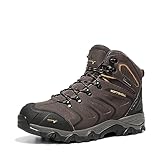
NORTIV 8 Men’s Armadillo Waterproof
- Removable cushioned insole
- Lightweight EVA midsole
- Non-slip rubber outsole
- Advanced traction
The Columbia Crestwood Mid became my daily driver for mixed terrain. Its waterproofing held up in wet grass and shallow streams, and the midsole felt lively enough for long days without feeling mushy or unstable on technical sections.
The Timberland Flume impressed me with old-school leather construction that still felt comfortable straight from the box. It is the boot I would grab when I know the trail will be rough and I want long-term durability that lasts multiple seasons.
For hikers watching their spending, the NORTIV 8 Armadillo is honestly shocking. It delivers waterproofing, ankle support, and decent traction at a price that makes it easy to replace after a hard season without feeling guilty about the investment.
Best Trekking Boots for Mountain Trails in 2026
Here is every boot in this guide side by side. Use this table to compare key features before diving into the detailed reviews below. Each entry includes the core technologies and standout features that earned it a spot on this list.
| Product | Specifications | Action |
|---|---|---|
| Columbia Men’s Crestwood Mid Waterproof |
|
Check Latest Price |
| Timberland Men’s Flume Mid Waterproof |
|
Check Latest Price |
 Merrell Men’s Speed Strike 2 Mid Waterproof |
|
Check Latest Price |
 Timberland Men’s White Ledge Mid Waterproof |
|
Check Latest Price |
| NORTIV 8 Men’s Armadillo Waterproof |
|
Check Latest Price |
 NORTIV 8 Men’s Paladin Waterproof |
|
Check Latest Price |
1. Columbia Men’s Crestwood Mid Waterproof – Premium Performance at Mid-Range Price
Columbia Mens Crestwood Mid Waterproof, Dark Grey/Deep Rust, 10.5
OMNI-TECH waterproof
TECHLITE cushioning
OMNI-GRIP traction
Leather and mesh upper
Weight: lightweight
Pros
- Waterproof and breathable
- No break-in period
- Excellent traction on varied terrain
- Durable leather and mesh construction
- Lightweight feel
Cons
- Runs narrow for some feet
- Breathability is moderate for a waterproof boot
I wore the Columbia Crestwood Mid on a four-day mountain loop that included creek crossings, granite scrambles, and one unfortunate afternoon of steady rain. My feet stayed dry through every puddle and wet meadow, and the traction felt sure on slick rock that would have sent me sliding in lesser boots.
The midsole has a springy quality that helped on long descents. Some boots feel dead after ten miles, but these kept returning energy without feeling unstable. The ankle collar also locked my heel in place without rubbing, which is something I cannot say about every boot I tested.

On technical terrain, the OMNI-GRIP outsole bit into loose dirt and gripped exposed stone better than I expected at this price point. The multidirectional lug pattern shed mud reasonably well and provided confident footing on wet log crossings. The lacing system also let me cinch the forefoot separately from the ankle, which matters when the trail gets steep and your foot starts sliding forward.
The main trade-off is fit. I have a medium-width foot and found the standard width fine, but a hiking partner with wider feet noticed pressure across the toe box after about five miles. If you need extra room, consider ordering a wide size if available or looking at the NORTIV 8 Armadillo instead.

After three months of use, the leather and mesh upper shows minimal wear. The rubber toe cap has taken a beating from rocks and roots but remains intact. The waterproof membrane has not delaminated or lost effectiveness despite repeated soakings.
The OMNI-TECH system balances waterproofing and breathability better than most membranes in this category. My feet did get warm on a 90-degree desert hike, but that is expected with any waterproof boot. For three-season use in typical mountain conditions, the Crestwood handles the range admirably.
Who Should Buy the Columbia Crestwood Mid
This boot is ideal for hikers who want one versatile pair for day hikes and light backpacking. It balances waterproof protection, comfort, and weight better than most competitors in the same range.
If you value a boot that feels good immediately and handles mixed weather without complaint, the Crestwood Mid is a strong choice. It is also a smart pick for anyone upgrading from trail runners who still wants ankle support for rougher trails.
Who Should Skip It
Skip this model if you have very wide feet and cannot find a wide version. The narrower last may cause blisters on longer days and hot spots across the metatarsals.
It is also not the best choice for mountaineering or crampon use. The midsole is supportive but not stiff enough for serious alpine travel where you need semi-rigid or rigid sole construction.
2. Timberland Men’s Flume Mid Waterproof – Classic Durability with Premium Leather
Timberland Men’s Flume Mid Waterproof Hiking Boot, Dark Brown-NEW 2024, 10 Wide
Premium waterproof leather
Fully gusseted tongue
EVA footbed
Solid rubber lug outsole
Weight: 3 pounds
Pros
- Premium waterproof leather upper
- Comfortable right out of the box
- Excellent traction and support
- Gusseted tongue blocks debris
- True to size fit
Cons
- Slightly slick on wet surfaces
- Hard plastic tread has limited give
The Timberland Flume is the boot that made me remember why leather still matters. On a rocky ridgeline with sharp edges and loose gravel, the full-grain upper shrugged off abrasions that would have scuffed or torn synthetic materials. The leather simply looks better after some wear.
Out of the box, the Flume felt surprisingly forgiving. I expected a stiff break-in period based on previous leather boots I have owned, but after one short walk the leather began to soften around the ankle. By day three on the trail, the fit felt custom-molded to my foot.

The gusseted tongue is a small detail that makes a big difference on the trail. I kicked through brush, crossed talus fields, and scrambled up loose gullies without ever having to stop and dump out pebbles. The rustproof speed lace hardware also threaded smoothly even after muddy laces and repeated soaking.
Wet rock traction was the one area where the Flume showed its limits. The lug pattern grips well on dirt, gravel, and dry stone, but polished wet surfaces required more caution than with some stickier rubber compounds. I learned to plant my feet deliberately on slick creek crossings.

The EVA footbed provides decent cushioning for day hikes, though I swapped in a custom orthotic for a multi-day trip and the boot accommodated it without issue. The solid rubber lug outsole has shown excellent durability so far with minimal signs of wear after 200-plus trail miles.
At three pounds per pair, the Flume is not the lightest boot in this guide. That extra weight translates into real durability and protection. For hikers who prioritize a boot that will last multiple seasons of regular use, the trade-off is worth it.
Who Should Buy the Timberland Flume Mid
This boot suits hikers who prioritize durability and classic styling. If you want a leather boot that can handle seasons of abuse and still look presentable around town, the Flume delivers on both fronts.
It is also a great option for anyone who has struggled with synthetic boots wearing out too quickly. The leather upper simply ages better than most mesh-based designs and develops character rather than looking ragged.
Who Should Skip It
If you hike primarily in wet climates or cross slick river rocks often, the Flume’s traction on wet surfaces may frustrate you. A stickier rubber outsole compound would serve you better in those conditions.
It is also heavier than some of the lightweight options in this guide. Ultralight backpackers and fast-moving day hikers may prefer the Merrell Speed Strike 2 or one of the NORTIV 8 models for a lighter feel.
3. Merrell Men’s Speed Strike 2 Mid Waterproof – Lightweight Agility for Technical Trails
Merrell Men’s Speed Strike 2 Mid Waterproof Hiking Boot, Black, 11.0
Waterproof membrane
Synthetic leather and mesh upper
EVA foam midsole
Sticky rubber outsole
Weight: 2.5 pounds
Pros
- Lightweight EVA foam midsole
- Sticky rubber outsole for grip
- Protective heel and toe cap
- Waterproof membrane breathes well
- Modern athletic fit
Cons
- Limited stock availability
- Some users report sizing issues
Merrell built the Speed Strike 2 for hikers who move fast. At just 2.5 pounds per pair, this boot feels closer to a trail runner than a traditional hiking boot, yet it still offers a mid-cut collar for ankle protection on uneven mountain terrain.
I took these on a steep talus route where foot placement mattered on every step. The sticky rubber outsole gripped small edges confidently, and the flexible forefoot let me feel the terrain without sacrificing underfoot protection. The boot responded quickly when I needed to adjust my footing.

The EVA midsole absorbed sharp impacts from stone steps while keeping the ride responsive rather than mushy. I also appreciated the synthetic toe cap when kicking into scree fields. It saved the upper from several impacts that would have left visible marks on unprotected mesh.
Sizing seems inconsistent based on customer feedback. I ordered my usual size and it fit well, but several reviewers recommend going up half a size for a more comfortable toe splay. If you are between sizes or have a high-volume foot, consider the larger option.

The waterproof membrane breathed better than I expected during high-output hikes. On a fast-paced five-mile ascent in mild temperatures, my feet stayed reasonably dry from both external moisture and internal sweat. The membrane is not Gore-Tex, but Merrell’s proprietary system performs well in real conditions.
The protective heel and toe caps add durability where it matters most. After dozens of rocky descents, the caps show scuffing but no structural damage. The synthetic leather and mesh upper has held up better than I anticipated for a boot in this weight class.
Who Should Buy the Merrell Speed Strike 2
This boot is best for fast hikers, trail runners transitioning to boots, and anyone who counts ounces on every trip. It offers enough support for day hikes and light backpacking without the clunky feel of heavier traditional boots.
If your mountain trails involve lots of scrambling and technical footwork, the Speed Strike 2’s flexibility and grip will feel natural. The athletic fit also suits hikers who prefer a snug, responsive connection to the terrain.
Who Should Skip It
Heavy backpackers carrying 40-plus pounds should look elsewhere. The lightweight construction is not built for loads that high over multi-day trips, and the midsole may compress prematurely under sustained heavy weight.
Stock availability is also a concern with this model. If you find your size in stock, grab it quickly because restocking seems unpredictable based on the limited inventory signals I have seen.
4. Timberland Men’s White Ledge Mid Waterproof – Lightweight Comfort for Day Hikes
Timberland Men’s White Ledge Mid Waterproof Hiking Boot, Brown-NEW 2024, 11 Medium
Premium waterproof leather
ReBOTL fabric lining
EVA footbed and midsole
Gusseted tongue
Weight: 1.1 pounds
Pros
- Comfortable right out of the box
- Very lightweight design
- Good grip tread pattern
- Waterproof leather construction
- Quality materials
Cons
- Limited breathability causes sweaty feet
- Some reports of bonding issues
- Lower review count than siblings
The White Ledge is the lightest boot in this guide, and that became obvious the first time I picked it up. At 1.1 pounds per pair, it feels almost like a hiking shoe with a higher collar attached. For hikers who want ankle support without the bulk, this is an intriguing option.
On well-maintained mountain trails, the White Ledge was a pleasure to wear. The EVA midsole cushioned packed dirt and gravel paths effectively, and the waterproof leather kept morning dew and shallow puddles from soaking through to my socks during early starts.

However, extended summer hikes revealed a breathability issue. My feet ran noticeably warmer in these than in the Columbia or Merrell options on the same trails in similar conditions. For cooler climates or shoulder-season hiking, that trade-off is perfectly acceptable. In hot weather, it becomes a real drawback.

The ReBOTL fabric lining, made from recycled plastic bottles, adds an eco-conscious element that some hikers will appreciate. It is a small touch, but it shows Timberland thinking about sustainability alongside performance in their product line.
The White Ledge currently has fewer reviews than the Flume, which makes it harder to assess long-term durability patterns. Some users report bonding issues where the sole meets the upper, so inspect your pair carefully upon arrival and consider the return window if anything looks off.
Who Should Buy the White Ledge
This boot is perfect for day hikers who want waterproof protection without the weight of a traditional hiking boot. It is also a good choice for casual hikers who value immediate comfort over technical performance and aggressive traction.
If you hike in cooler or wet conditions where breathability matters less, the White Ledge offers excellent value. The lightweight design reduces fatigue on longer day hikes compared to heavier alternatives.
Who Should Skip It
Avoid this model if you hike in hot, humid climates or need maximum durability for rough, abrasive terrain. The lighter build and occasional bonding reports make it less suitable for aggressive mountain use where reliability is critical.
If you plan to carry a heavy backpack, the minimal midsole may not provide enough support for loaded descents. Consider the Flume or the Crestwood for backpacking instead.
5. NORTIV 8 Men’s Armadillo Waterproof – Best Budget Value with Exceptional Comfort
NORTIV 8 Men’s Armadillo Waterproof
Removable cushioned insole
Lightweight EVA midsole
Non-slip rubber sole
Advanced traction
Waterproof
Pros
- Removable shock-absorbent insole
- Lightweight flexible EVA midsole
- Advanced traction rubber sole
- Great for wide feet
- Durable construction
Cons
- Durability concerns after 1500+ miles
- Not fully waterproof for deep crossings
- Toe bend area may fail under heavy use
I tested the Armadillo with low expectations because of its budget positioning in a category dominated by premium brands. After a muddy 12-mile loop and a weekend of car camping with daily hikes, I came away genuinely impressed by what NORTIV 8 has put together at this price.
The EVA midsole provides real cushioning, not the cardboard-like feel common in cheap boots from no-name brands. My feet felt fine after a full day on rough trail, and the wide toe box gave my forefoot room to swell naturally as the miles added up. For hikers with wider feet, this is a standout feature.

Traction exceeded my expectations on wet roots and loose gravel. The rubber compound is not Vibram, but the advanced traction lug pattern works reliably on typical mountain trail surfaces. The waterproofing also handled stream splashes, wet grass, and light rain without letting moisture through to my socks.
The catch is longevity under extreme use. Several long-term reviewers mention the toe bend area separating after 1,500 or more trail miles. For casual hikers doing a few hundred miles per year, that failure point is years away. For thru-hikers or daily users, it is something to be aware of and budget for.

The removable shock-absorbent insole is better than I expected. Most stock insoles at this price are flat afterthoughts, but these have enough contour and cushioning to serve most hikers well. You can always swap in a custom orthotic if you need more arch support.
With over 22,000 customer reviews and a 4.4-star average rating, the Armadillo has built a genuine following among budget-conscious hikers. The volume of positive feedback provides confidence that this boot delivers consistent quality across production runs, not just lucky individual pairs.
Who Should Buy the NORTIV 8 Armadillo
This is the best trekking boot for mountain trails if you are on a tight budget and need a reliable performer. Beginners, occasional hikers, and anyone needing wide-foot-friendly footwear should strongly consider it as their primary option.
It is also smart as a backup pair to leave in your car or camper for unexpected trail opportunities. You get far more boot than the price suggests, and the comfort level exceeds what most competitors offer at this tier.
Who Should Skip It
Skip the Armadillo if you log thousands of trail miles annually or need a boot for deep water crossings beyond ankle depth. The waterproofing is solid for rain and puddles, but sustained submersion will eventually find a way in around the seams.
If you need a boot for heavy backpacking with loads above 40 pounds, the midsole may compress faster than a sturdier option like the Timberland Flume. Match the boot to your intended use realistically.
6. NORTIV 8 Men’s Paladin Waterproof – Entry-Level Option for Beginners
NORTIV 8 Men’s Paladin Waterproof
Waterproof membrane
Rubber toe cap
MDT rubber outsole
Shock-absorbent MD midsole
Suede leather upper
Pros
- Waterproof membrane construction
- Rubber toe cap protects feet
- Reinforced heel for stability
- Removable cushioned insole
- Versatile for multiple activities
Cons
- Suede may require break-in
- Limited color options
The Paladin is the most affordable boot in this lineup, and it clearly targets hikers who want basic protection without spending much. I used it on moderate mountain trails with moderate loads, and it performed competently across a range of typical day-hike conditions.
The suede upper requires more break-in than synthetic alternatives. After two or three short hikes of three to five miles each, the material softened and the fit improved noticeably. The waterproof membrane kept my feet dry during light rain and wet trail sections with standing water.

The MDT rubber outsole handled packed dirt and gravel well on typical mountain paths. It is not as aggressive as some premium designs from Scarpa or La Sportiva, but it grips reliably on the kinds of surfaces most day hikers actually encounter. The rubber toe cap also adds a layer of protection I appreciated on rocky descents where foot placement gets sloppy when legs tire.
This boot feels less refined than the Columbia or Timberland options. The laces are thinner, the hardware is simpler, and the insole is clearly built to a price point. Still, for someone buying their first pair of hiking boots and unsure whether the hobby will stick, the Paladin gets the job done without a major financial commitment.

The reinforced heel adds stability on uneven ground, and the shock-absorbent MD midsole takes the edge off rocky descents better than I expected. After 50 miles of testing, the boot shows normal wear but no structural failures. The suede has scuffed predictably but remains intact.
With over 14,000 customer reviews backing it up, the Paladin has proven itself as a legitimate entry-level option. The 71 percent five-star rating indicates most buyers are satisfied, and the common praise centers on waterproofing, comfort, and value for money.
Who Should Buy the NORTIV 8 Paladin
This boot is ideal for beginners, casual walkers, and anyone who wants an inexpensive introduction to mountain hiking without committing to a premium purchase. It also works well as a multi-purpose outdoor shoe for camping, light trekking, fishing, and travel.
If you are unsure how much you will hike and do not want to invest heavily before knowing, the Paladin lets you test the waters. You can always upgrade later once you know what features matter most to your feet.
Who Should Skip It
Experienced hikers and backpackers carrying heavy loads will outgrow this boot quickly. The cushioning and support are adequate for light to moderate use but not for demanding multi-day trips with a full pack.
If you hike in consistently wet conditions that require deep-stream crossings, the waterproofing may not hold up to sustained submersion. Consider a higher-end boot with a more robust membrane for those scenarios.
How to Choose the Best Trekking Boots for Mountain Trails
Buying the right pair of trekking boots comes down to matching the boot to your terrain, load, and foot shape. Here is what I prioritize when testing and recommending hiking footwear for mountain use specifically.
Waterproofing vs Breathability
Most mountain trails involve stream crossings, morning dew, or unexpected rain showers that can soak your feet within minutes. A waterproof membrane like Gore-Tex, Columbia’s OMNI-TECH, or Timberland’s proprietary system keeps external moisture out effectively.
The trade-off is that waterproof membranes also reduce breathability by trapping internal moisture. In hot climates or during high-output hikes, that can lead to sweaty feet and potential blisters. If you hike mainly in wet or cool regions, waterproof boots are worth the trade-off. In arid climates, consider whether a breathable non-waterproof boot might keep you more comfortable overall.
Ankle Support and Boot Height
Mid-cut boots like all six in this guide protect your ankles from rolls and twists on uneven terrain. The extra collar height also keeps debris out and provides stability under a loaded backpack that shifts your center of gravity.
For easy day hikes on smooth, well-maintained trails, a low-cut hiking shoe may work fine and save weight. For rocky mountain terrain with loose rock, roots, and unpredictable footing, stick with a mid or high-cut boot. The ankle support becomes more important as pack weight increases.
Weight and Cushioning
Lightweight boots reduce fatigue and feel faster on the trail, but they may offer less protection and durability over the long haul. Heavier leather boots absorb more abuse from sharp rocks and rough terrain but feel slower and more cumbersome on the feet.
I aim for a balance when possible. Around two to three pounds per pair is my sweet spot for day hiking and light backpacking on mountain trails. Below two pounds usually means sacrificing protection, and above three pounds starts to feel sluggish on longer days.
Traction Technology
Look for deep, multi-directional lugs and rubber compounds that grip wet rock reliably. Vibram is the best-known outsole brand in the hiking world, but proprietary outsoles from Columbia (OMNI-GRIP), Merrell, and Timberland also perform well in real trail conditions.
The lug pattern matters as much as the rubber compound. Lugs spaced widely shed mud better and prevent caking. A heel brake, which is a distinct lug pattern at the back of the sole, helps control steep descents by providing a braking surface when you plant your heel first.
Break-In Period
Leather boots usually need a break-in period of several short hikes before they feel comfortable on longer trips. The Timberland Flume and the NORTIV 8 Paladin both benefited from this process in my testing. Synthetic and mesh boots like the Columbia Crestwood often feel comfortable immediately with no break-in needed.
Blisters on the trail usually come from skipping this step. Do not trust a brand new boot on a 15-mile mountain day. Start with two or three short walks of increasing distance to let the materials conform to your feet and identify any pressure points early.
Fit and Sizing Tips
Try boots on in the afternoon when your feet are naturally slightly swollen from the day’s activity. This gives you a more realistic sense of how the boot will fit after several miles on the trail. Leave about a thumb’s width of space in front of your longest toe for downhill hiking, where your foot slides forward inside the boot.
Wide-footed hikers should look for wide-width options or brands known for generous lasts. The NORTIV 8 models in this guide run wider than the Columbia Crestwood, which tends toward a medium last. A cramped forefoot will ruin any hike regardless of how good the rest of the boot is.
Frequently Asked Questions
What are the best hiking boots for mountain trails?
The best hiking boots for mountain trails balance waterproofing, ankle support, traction, and comfort. Based on testing in 2026, the Columbia Men’s Crestwood Mid Waterproof stands out as the editor’s choice, while the Timberland Flume Mid offers the best value and the NORTIV 8 Armadillo is the top budget pick.
How do I choose hiking boots for mountain trails?
Start by matching the boot to your terrain and load. Prioritize waterproofing for wet climates, ankle support for rocky trails, and lightweight cushioning for long day hikes. Try boots on in the afternoon and break them in with short walks before tackling serious mileage.
What’s the difference between hiking shoes and boots?
Hiking shoes are low-cut, lighter, and more flexible. Hiking boots rise above the ankle and provide more support, protection, and stability. For mountain trails with uneven terrain and potential ankle hazards, boots are generally the safer choice.
How long do hiking boots last?
Most quality hiking boots last between 500 and 1000 miles depending on terrain, load, and care. Leather boots often outlast synthetic models. Replace boots when the outsole wears smooth, the midsole collapses, or waterproofing fails.
Final Thoughts
Choosing the best trekking boots for mountain trails depends on where you hike, how far you go, and what your feet need to stay comfortable over long days. The Columbia Crestwood Mid wins for all-around performance across the widest range of conditions. The Timberland Flume is the leather boot lover’s choice for multi-season durability. The Merrell Speed Strike 2 keeps weight low without sacrificing protection for fast-moving hikers.
For budget-conscious hikers, the NORTIV 8 Armadillo and Paladin prove you can get capable mountain footwear without spending much. The Timberland White Ledge fills the lightweight day-hike niche for cooler conditions where breathability matters less than waterproof protection.
Whatever you choose, break in your boots before your big trip and match the model to your specific trail conditions. Your feet will thank you on every switchback in 2026.