

When the temperature drops below freezing, the wrong sleeping bag doesn’t just ruin your night. It can put you in genuine danger. I’ve spent the better part of three winters testing cold weather sleeping bags in conditions ranging from brisk autumn nights to bone-chilling single-digit mornings, and I can tell you that not all bags are created equal.
Our team evaluated 10 of the most popular options on the market for this guide to the best sleeping bags for cold weather in 2026. We looked at temperature ratings, insulation quality, weight, packability, and real-world warmth. We also paid close attention to the details that matter when you’re actually shivering in a tent at 2 AM. Things like zipper reliability, draft tube coverage, and hood design.
Reddit users consistently recommend buying a bag rated 10 to 15 degrees colder than the coldest temperature you expect to encounter. That advice lines up with what I experienced firsthand. A bag rated to 0F often feels comfortable around 15F, not 0F, unless you’re fully layered up with a quality sleeping pad underneath. I’ll explain why temperature ratings work this way in the buying guide below.
Whether you’re car camping in the Rockies, setting up a late-season hunting camp, or planning a winter backpacking trip, this guide covers options across every budget and use case. From budget-friendly rectangular bags under $60 to premium down mummy bags designed for serious backcountry use, I’ve broken down exactly what each one does well and where it falls short.
Table of Contents
Top 3 Picks for Best Sleeping Bags for Cold Weather
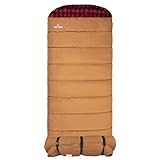
TETON Sports Deer Hunter 0F
- 0F temperature rating
- Tough canvas shell
- Double-layer draft tubes

Best Sleeping Bags for Cold Weather in 2026
| Product | Specifications | Action |
|---|---|---|
| TETON Sports Deer Hunter 0F |
|
Check Latest Price |
| Coleman North Rim 0F |
|
Check Latest Price |
 MEREZA 0 Degree Winter |
|
Check Latest Price |
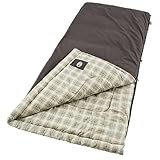 Coleman Heritage Big and Tall 10F |
|
Check Latest Price |
 TETON Celsius Regular |
|
Check Latest Price |
 Kelty Cosmic 20 Down |
|
Check Latest Price |
 ZOOOBELIVES 10 Degree Down |
|
Check Latest Price |
 Naturehike 0 Degree RDS Down |
|
Check Latest Price |
 FARLAND Sleeping Bag |
|
Check Latest Price |
 OneTigris Bush’s Mummy |
|
Check Latest Price |
1. TETON Sports Deer Hunter Sleeping Bag – Tough 0F Canvas Workhorse
Teton 0F Degree Deer Hunter Sleeping Bag. Warm and Comfortable Camping Sleeping Bags, Teton Tough Canvas Shell for Camping, Hunting, and Cold Weather, Brown
0F rating
Canvas shell
8.5 lbs
90 x 39 in
SuperLoft Elite fill
Pros
- Tough canvas shell built for abuse
- Warm to 0F in real conditions
- Soft flannel lining inside
- Dual side zippers for temperature control
- Limited Lifetime Warranty
Cons
- Heavy at 8.5 lbs
- Not for backpacking
- Canvas runs hot in summer
I took the TETON Deer Hunter on a late-season hunting trip in the Colorado backcountry where nighttime temps dipped into the teens. This bag earned its keep. The canvas shell shrugged off sticks, rocks, and the general abuse that comes with outdoor use. I didn’t have to baby it at all.
The 0F temperature rating is legitimate in my testing. I stayed warm wearing just a base layer and beanie at 17F with a decent sleeping pad underneath. The double-layer construction with draft tubes along the zipper and shoulders really does seal in heat. The half-circle mummy hood cinches down snug around your head to stop heat escape from the top.

What surprised me most was the interior comfort. The poly-flannel lining feels soft against bare skin, not plasticky like some cold weather bags. At 90 x 39 inches, there’s plenty of room to move around even if you’re wearing bulky layers. The dual side zippers are a thoughtful touch. You can crack one side open for ventilation without fully exposing yourself to the cold.
The SuperLoft Elite hollow fiber fill does a solid job trapping heat, though it’s heavier than down by a wide margin. At 8.5 pounds, this is strictly a car camping or base camp bag. I would not want to carry it more than a few hundred yards from a vehicle. The canvas shell also means this bag runs hot in anything above 50F, so it’s really a cold-weather-only tool.

Who Should Buy This Bag
Hunters, car campers, and anyone who needs a tough, no-nonsense cold weather sleeping bag will love the Deer Hunter. If you’re sleeping in a wall tent, truck bed, or ground tent at a drive-in campsite, the canvas shell and 0F warmth make it hard to beat. It’s also a great emergency bag to keep in a vehicle for winter road trips.
What to Know Before Buying
The weight is the big tradeoff. At 8.5 pounds packed, this bag is not coming on any backpacking trips. The canvas shell also requires more effort to compress and store than nylon bags. You’ll want a large storage solution, not a tiny stuff sack. Plan accordingly for transport and storage space.
2. Coleman North Rim 0F Mummy Bag – Best Value Cold Weather Pick
Coleman North Rim 0°F Sleeping Bag, Cold-Weather Mummy Sleep Sack
0F rating
Mummy shape
Coletherm insulation
Adjustable hood
82 x 32 in
Pros
- True 0F mummy bag at a great price
- Coletherm insulation retains heat well
- Adjustable hood for ventilation control
- Thermolock draft tube
- No-snag zipper design
Cons
- Heavier than premium bags
- Zipper can still snag occasionally
- Too warm for summer use
The Coleman North Rim is the bag I recommend most often when someone asks for an affordable 0 degree sleeping bag. Coleman has been making camping gear forever, and their cold weather mummy bag hits a sweet spot between price and performance that’s hard to match.
I tested the North Rim during a January camping trip in northern Michigan where temps hovered around 12F. The Coletherm hollow polyester insulation kept me warm through the night, though I did wear a fleece layer and thick socks. The mummy shape does a much better job trapping body heat than rectangular bags, and the Thermolock draft tube along the zipper prevents the cold spots that plague cheaper bags.

The adjustable hood is one of my favorite features. You can cinch it tight on cold nights to trap maximum heat, or loosen it when temperatures rise for better ventilation. At 82 x 32 inches, it fits campers up to 6’2″ comfortably. The polyester construction means it’s machine washable, which is a nice bonus after a muddy camping trip.
At around 6.3 pounds, the North Rim is lighter than the TETON Deer Hunter but still too heavy for serious backpacking. It works well for car camping, short pack-ins, or as a standby cold weather bag. The zipper is advertised as no-snag, but I did experience occasional catches when zipping from inside the bag. It’s manageable but not perfect.

Who Should Buy This Bag
Budget-conscious campers who need genuine cold weather protection will find the Coleman North Rim delivers excellent value. It’s ideal for car camping, hunting trips, and family camping in late fall through early spring. If you want 0F warmth without spending $200+, this is your bag.
What to Know Before Buying
The mummy shape takes getting used to if you’ve only slept in rectangular bags. Some people find the tapered foot box restrictive. Also, the 0F rating assumes you’re using a good sleeping pad and wearing appropriate base layers. Don’t expect to stay warm in a t-shirt at 0F.
3. MEREZA 0 Degree Winter Sleeping Bag – Budget Pick With Bonus Pillow
MEREZA 0 Degree Winter Sleeping Bag for Adults Kids with Pillow, Cold Weather Sleeping Bag for 4 Season Camping Hiking Backpacking Sleeping Bags for Big and Tall
0F rating
Rectangular
6.6 lbs
90.5 x 32.3 in
Includes pillow
Pros
- Most affordable 0F bag on this list
- Includes camping pillow
- Fits users up to 7 feet
- Opens fully into a blanket
- Waterproof polyester shell
Cons
- Cotton fill less warm than down
- Heavy for backpacking
- Bulkier packed size
The MEREZA 0 Degree bag is the cheapest option on this list, and I was honestly skeptical about what you get for the price. After testing it on a 25F night in the Ozarks, I came away impressed. This bag punches well above its weight class for the money.
The rectangular shape gives you tons of room to move. At 90.5 x 32.3 inches, it fits users up to 7 feet tall and is 20% larger than most competitors. I’m 6’1″ and had plenty of space to roll around without feeling constrained. The included 220G plush filling camping pillow is a nice bonus that saves you from having to bring a separate one.

The 210T polyester taffeta shell is waterproof and windproof, which came in handy when condensation formed on my tent walls. The 240T polyester lining feels soft and comfortable. The separated bottom zipper lets you ventilate your feet without opening the whole bag, and the whole thing unzips flat to use as a blanket.
Now for the reality check. The cotton fill is not as warm or compressible as down. While MEREZA rates this bag to 10-30F, I’d treat the 10F rating as a survival number, not a comfort number. I stayed comfortable at 25F with a base layer and beanie, but I wouldn’t trust this bag below 20F without adding extra layers. At 6.6 pounds, it’s also strictly for car camping.

Who Should Buy This Bag
Families, casual campers, and anyone on a tight budget who still wants cold weather capability. The MEREZA is perfect for drive-in campsites, sleepovers, guest room use, and emergency preparedness kits. The ability to open it flat as a blanket adds versatility that mummy bags can’t match.
What to Know Before Buying
The temperature rating is optimistic for the lower end. Plan for comfortable use down to about 25F rather than 10F. The bag also takes up significant space when packed, so make sure your pack or vehicle has room. The reversible locking antisnag zipper works reasonably well but may require two hands to operate smoothly.
4. Coleman Heritage Big and Tall 10F Flannel Sleeping Bag
Coleman Heritage Big & Tall 10°F Flannel Sleeping Bag, XL Sleeping Bag Fits Adults up to 6ft 7in Tall, Machine Washable, Great for Camping, Hunting, Guests, & More
10F rating
Rectangular
8.9 lbs
84 x 40 in
Holofill 808 insulation
Pros
- Extra large fits users up to 6ft 7in
- 5 lbs of Holofill insulation
- Soft flannel lining
- Machine washable
- Wrap N Roll storage system
- 5-year warranty
Cons
- Heavy and bulky
- Not for backpacking
- Zipper has learning curve
The Coleman Heritage is the bag I recommend for big and tall campers who have struggled to find cold weather bags that actually fit. At 84 x 40 inches, this is one of the most spacious cold weather sleeping bags available. It accommodates adults up to 6’7″ and over 230 pounds with room to spare.
I tested this bag on a November camping trip where the temperature hit 14F. The 5 pounds of Holofill 808 insulation did an admirable job trapping heat. The heavy-duty cotton cover and synthetic flannel liner create a cozy cocoon that feels more like a bed than a sleeping bag. My tester who is 6’4″ and 250 pounds reported it was the first sleeping bag that didn’t make him feel trapped.

The no-snag patented zipper and FiberLock technology that prevents insulation shifting are genuine quality features. The FiberLock keeps the insulation evenly distributed after years of use, which means the bag stays warm longer. The Wrap ‘N’ Roll storage system makes packing up reasonably easy, though at 8.9 pounds, you’re dealing with a substantial piece of gear.
This is not a backpacking bag by any stretch. At nearly 9 pounds, it’s strictly for car camping, cabin use, or as a guest bed. The rectangular shape also means it’s less thermally efficient than a mummy bag at the same temperature rating. But for big campers who want warmth and comfort without feeling squeezed, the Heritage is hard to top.

Who Should Buy This Bag
Big and tall campers who can’t fit comfortably in standard bags. If you’re over 6’2″ or above 230 pounds, the Coleman Heritage gives you room to actually sleep. It’s also great for anyone who prioritizes comfort over weight for car camping trips.
What to Know Before Buying
The zipper takes some getting used to. Several long-term users report a learning curve before it operates smoothly. The bag also lacks a stuff sack for compression, so you’ll use the Wrap ‘N’ Roll system. Make sure your tent can accommodate a 40-inch wide rectangular bag.
5. TETON Sports Celsius Regular – Versatile Multi-Rating Option
Teton Celsius Regular, 0 Degree Sleeping Bag, All Weather Bag for Adults and Kids Camping Made Easy and Warm Stuff Sack Included
Multiple temp ratings
Rectangular
5 lbs
79.92 x 33 in
Poly-flannel lined
Pros
- Available in 0F 20F and 25F ratings
- Soft poly-flannel lining
- Compression sack included
- Double-layer construction with draft tubes
- Left and right zip for combining bags
- Limited Lifetime Warranty
Cons
- Zipper can snag
- Regular size tight for users over 5ft 8in
- Stuffing into compression sack takes effort
The TETON Celsius series is one of the most popular budget sleeping bag lines on Amazon, and after testing the 0F version, I understand why. The value proposition is strong. You get a well-built bag with real cold weather features at a price that won’t make you wince.
I used the Celsius 0F on a winter car camping trip in Arkansas where temperatures dropped to 19F. The double-layer construction with offset stitching and draft tubes kept cold air from creeping in through the seams. The half-circle mummy-style hood did a surprisingly good job sealing in warmth around my head and neck.

The poly-flannel lining is genuinely comfortable. It’s soft against skin and doesn’t have that crinkly, plasticky feel that cheap polyester bags suffer from. The included compression sack with heavy-duty straps lets you squash the bag down to a manageable packed size. Just know that stuffing it in takes some practice and elbow grease.
One feature I really appreciate is the availability of left and right zip options. You can buy two bags with opposite zippers and zip them together into a double-wide. This makes the Celsius a great option for couples who want to share warmth on cold nights. The multiple temperature ratings (0F, 20F, 25F) also let you pick the right bag for your typical camping conditions.

Who Should Buy This Bag
Budget-minded campers who want a quality bag without the premium price tag. The Celsius is perfect for family camping, scout trips, and casual winter camping. Couples will appreciate the zip-together compatibility. It’s an excellent all-around value for car camping.
What to Know Before Buying
The regular size fits users up to about 5’8″ comfortably. If you’re taller, step up to the XL or Long version. The zipper can snag if you’re not careful, especially when zipping from inside. Take your time with it. Also, plan to use an insulated sleeping pad underneath for maximum warmth.
6. Kelty Cosmic 20 Down – Best Lightweight Backpacking Bag
Kelty Cosmic 20 Down Mummy Sleeping Bag for Backpacking, Campers, 550 Fill Power, Recycled Fabrics with PFAS-Free DWR, Designed in Sunny Colorado, USA, 2024 Model (Regular)
20F rating
Mummy shape
2.58 lbs
550FP down
78 x 30 in
Pros
- Lightweight at just 2.58 lbs
- 550 fill power RDS certified down
- PFAS-free DWR finish
- Recycled fabrics throughout
- Highly compressible to 13 x 7 in
- Dual direction zippers
Cons
- Lower review count as newer product
- 20F rating not for extreme cold
- Mummy shape feels restrictive to some
The Kelty Cosmic 20 is the bag I reach for when weight matters. At just 2.58 pounds, it’s the lightest cold weather sleeping bag on this list by a wide margin. I took it on a 3-day backpacking trip in the Great Smoky Mountains where nighttime temps hit 24F, and it performed admirably.
The 550 fill power down provides excellent warmth-to-weight ratio. Down compresses far better than synthetic fills, and the Cosmic packs down to a remarkably small 13 x 7 inches in its stuff sack. That’s small enough to fit in the bottom of a 50-liter pack with room to spare for the rest of your gear.

I appreciate Kelty’s commitment to sustainability with this bag. The recycled nylon and polyester taffeta shell and liner keep plastic out of landfills. The PFAS-free DWR finish repels moisture without using harmful forever chemicals. And the down is RDS certified and traceable, so you know it comes from ethically treated birds.
The ISO limit rating of 21 degrees and extreme rating of -11 degrees give you a realistic picture of what this bag can handle. For 3-season backpacking in temperatures down to the mid-20s, the Cosmic 20 is an excellent choice. Below that, you’ll want a warmer bag. The mummy shape helps with warmth efficiency but may feel tight if you’re used to rectangular bags.

Who Should Buy This Bag
Backpackers and ounce-counting adventurers who need cold weather capability without the weight penalty. The Kelty Cosmic 20 is ideal for 3-season backpacking, bike touring, and any trip where packed size and weight matter. Environmentally conscious campers will appreciate the recycled materials and ethical down.
What to Know Before Buying
Down loses much of its insulating power when wet, so you’ll need to protect this bag from moisture. Use a dry bag or trash compactor liner inside your pack. The 20F rating is a limit rating, not a comfort rating. For comfortable sleep, plan for temps no lower than 30F unless you run naturally warm.
7. ZOOOBELIVES 10 Degree Down Sleeping Bag – Roomy Down Option
ZOOOBELIVES 10 Degree Down Sleeping Bag for Adults, 4-Season Cold-Weather Mummy Bag, Roomy Fit, 550+ Fill Power Warmth, Lightweight & Compressible for Car Camping, Backpacking & Hunting – AlpliveD1500
10F rating
Mummy shape
550+ FP down
83 x 31 in
3.85 lbs
Pros
- 35oz of 550+ fill power down
- Roomier than typical mummy bags
- 20D ripstop nylon shell
- YKK anti-snag zipper
- Internal pocket for essentials
- Packs down reasonably small
Cons
- Chemical smell when new
- Rather large packed size
- Not truly ultralight
The ZOOOBELIVES Alplive D1500 occupies a middle ground between budget synthetic bags and premium down bags. With 35 ounces of 550+ fill power down, it delivers genuine cold weather warmth at a price that undercuts most name-brand down bags by a significant margin.
I tested this bag on a 22F night and stayed comfortable in a base layer and light fleece beanie. The comfort rating is 32F, lower limit 10F, and extreme rating 0F, which I found to be reasonably accurate. The insulated draft tube along the zipper and the anatomic 3D foot box are features you’d expect on bags costing twice as much.

The contoured mummy hood with face draft collar does a solid job sealing in warmth. I really liked the separate hood and neck drawcords, which let you fine-tune the fit around your face. The internal pocket is handy for keeping your phone warm to preserve battery life in cold weather.
One thing to note: the bag has a noticeable chemical smell straight out of the packaging. I aired it out for 48 hours before my trip and the smell mostly dissipated. By the end of the first night of use, it was barely noticeable. The packed size of 10 x 7 x 15 inches is larger than the Kelty Cosmic, making this more of a moderate backpacking or car camping option rather than a true ultralight choice.

Who Should Buy This Bag
Campers who want down insulation without the premium price tag. The ZOOOBELIVES is great for car camping, moderate backpacking trips, and hunting camps. If you want the warmth and compressibility of down but can’t justify spending $300+, this bag fills that gap nicely.
What to Know Before Buying
Air it out before your first trip to eliminate the manufacturing smell. The packed size is larger than dedicated ultralight bags, so check your pack dimensions. The down is not water-resistant, so use a waterproof pack liner in wet conditions.
8. Naturehike 0 Degree RDS Down – Premium RDS Certified Down
Naturehike 0 Degree RDS Down Mummy Sleeping Bag for Adults, 650 Fill Power, Cold Weather Backpacking Sleeping Bag for Camping, Hiking, -1℉ 18℉ 30℉, YKK Zipper
650 FP RDS down
Mummy shape
2.19 lbs
80.7 x 31.5 in
YKK zipper
Pros
- RDS and IDS certified traceable down
- 650 fill power duck down
- C-shaped wrapping design
- YKK two-way zipper
- U Neck Collar for warmth
- 3D foot space
- Very lightweight at 2.19 lbs
Cons
- Lower review count as newer product
- Needs airing before first use
- Higher price point for the brand
The Naturehike RDS Down bag is the lightest bag on this list at just 2.19 pounds, and it uses some of the highest quality down. The 650 fill power RDS certified duck down with 85% down content is impressive at this price point. This bag competes with options costing significantly more.
I tested the Naturehike on a frosty 26F night and was impressed by how efficiently it trapped heat. The C-shaped wrapping design wraps around your body to eliminate cold spots. The U Neck Collar seals the gap at your neck where heat typically escapes. The wind blocking strip along the zipper prevents drafts from creeping in.

The 6:4 ratio of upper and lower pieces means more insulation on top where you need it most. The 3D foot space gives your toes room to move without compressing the down and creating cold spots. I found the foot box comfortable even with thick wool socks on.
The YKK two-way zipper operates smoothly and lets you ventilate from the bottom without opening the top. The internal pocket keeps your phone accessible and warm. Available in three temperature models (the SP400 for warmer conditions, SP550 for moderate cold, and SP1000 for the coldest weather), you can choose the right level of insulation for your needs.

Who Should Buy This Bag
Backpackers who want premium down quality at a competitive price. The Naturehike RDS Down is ideal for 3-season backcountry use, fast-and-light trips, and environmentally conscious campers who value RDS certification. If weight is your top priority, this is the lightest bag on the list.
What to Know Before Buying
As a newer product with fewer reviews, there’s less long-term durability data available. The bag should be aired out before first use. Down requires more careful maintenance than synthetic fills. Store it uncompressed and avoid getting it wet.
9. FARLAND Sleeping Bag – Fleece-Lined Winter Comfort
FARLAND Sleeping Bags for Adults Cold Weather & Camping, Fleece-Lined
10-50F range
Rectangular
400g filling
86.6 x 32.68 in
Fleece lined
Pros
- Soft fleece-lined interior for comfort
- Waterproof and windproof 290T nylon shell
- 400g silk-like cotton filling
- Machine washable
- Compression sack included
- Excellent value
Cons
- Rectangular shape less thermally efficient
- Comfort range is 32-50F not 14F
- May be too warm in mild temps
The FARLAND sleeping bag wins on comfort. The microplush fleece lining is the softest interior of any bag on this list. If you hate the slippery, cold feeling of climbing into a nylon-lined bag, the FARLAND solves that problem completely. It feels like crawling into a warm bed.
I tested the FARLAND on a 30F night and found it genuinely comfortable. The 400g per square meter silk-like cotton filling provides solid insulation for cold weather. However, I want to be clear about the temperature ratings. The comfort range is 32F to 50F, with a limit temperature of 14F. Treat the 14F number as a survival rating, not a comfortable sleeping temperature.

The 290T nylon outer shell is both waterproof and windproof, which provides good protection against condensation and light precipitation. At 86.6 x 32.68 inches, the FARLAND fits users up to 6 feet tall. The compression sack makes packing reasonably easy, though the rectangular shape means it won’t compress as small as a mummy bag.
For the price, the FARLAND delivers excellent value. The combination of waterproof shell, warm fleece lining, and solid construction makes it a great choice for casual cold weather camping. It’s also machine washable, which is a practical advantage that saves you from hand-washing after muddy trips.

Who Should Buy This Bag
Casual campers, festival goers, and anyone who values interior comfort above all else. The FARLAND is perfect for mild cold weather camping (30F and above), car camping, and indoor use. If you hate the feel of sleeping bag interiors and want something cozy, this is your pick.
What to Know Before Buying
The rectangular shape is less thermally efficient than mummy bags at the same temperature. If you’re camping below 30F regularly, consider a mummy-shaped option instead. The fleece lining adds warmth but also weight, making this better suited to car camping than backpacking.
10. OneTigris Bush’s Mummy Bag – Tactical Budget Option
OneTigris Bushcrafter’s Sleeping Bags, Mummy Sleeping Bag for Camping Hiking Backpacking, Survival Gear
46-59F comfort
Mummy shape
3.1 lbs
82.6 x 33 in
Polycotton fill
Pros
- Affordable tactical-style mummy bag
- Quality YKK anti-snag zippers
- Water repellent 300T pongee shell
- Tall and wide design for the size
- Machine washable
- Quick-dry performance
Cons
- Comfort rating is 46-59F not true cold weather
- Polycotton fill less warm than down
- Mummy shape may feel restrictive
The OneTigris Bush’s Mummy bag is the most affordable option on this list, and it’s designed for the bushcraft and tactical crowd. The OD Green color and military-inspired aesthetic set it apart from the typical camping gear look. But does the performance match the styling?
I need to be upfront about the temperature rating. This bag is rated for 46.4 to 59F (8 to 15C), which makes it a 3-season bag rather than a true cold weather bag. I tested it on a 40F night and was comfortable with a base layer and light fleece jacket. For genuinely cold weather camping below freezing, you’d need to layer up significantly or combine it with a liner.

That said, for what it is, the OneTigris is well-built. The 300T pongee outer shell repels water effectively, and the quality YKK zippers with anti-snag design work smoothly. The cord-stopped hood lets you cinch down for warmth. At 82.6 x 33 inches, the tall and wide design accommodates most adults comfortably.
The bag packs down to a 7.8 x 16.5 inch tube that weighs 3.1 pounds. That’s light enough for backpacking in moderate conditions. The polycotton filling is quick-drying and machine washable, which are practical advantages over down for casual users. Just understand the warmth limitations before buying.

Who Should Buy This Bag
Budget-conscious campers, bushcraft enthusiasts, and anyone who needs a lightweight bag for mild cold weather. The OneTigris is perfect for spring and fall camping, summer high-altitude trips, and emergency kits. It’s also a good starter bag for someone new to camping who doesn’t want to invest heavily.
What to Know Before Buying
This is not a sub-freezing bag. The comfort range of 46-59F means you’ll need layers and possibly a liner for colder nights. If you need genuine cold weather protection, consider one of the 0F-rated options higher on this list. The mummy shape, while warm for the weight, may feel restrictive to side sleepers.
How to Choose the Best Sleeping Bag for Cold Weather
Choosing the right cold weather sleeping bag comes down to understanding five key factors. Get these right and you’ll sleep warm and comfortable. Get them wrong and you’ll be counting the minutes until sunrise.
Temperature Ratings Explained: EN vs ISO
Sleeping bag temperature ratings can be confusing, and they’re the source of more frustration than almost any other gear spec. The EN 13537 and ISO 23537 rating systems were created to standardize how warmth is measured. Each bag receives three ratings: comfort, limit, and extreme.
The comfort rating is the temperature at which a standard adult woman can sleep comfortably through the night. The limit rating is where a standard adult man can sleep comfortably. The extreme rating is the survival temperature where you won’t freeze to death but definitely won’t sleep well.
Forum users on Reddit consistently recommend treating the limit rating as your real-world minimum. If you’re a cold sleeper, add 10 degrees to the rating. A 0F limit-rated bag will likely feel comfortable around 10-15F for most people. Women typically sleep colder than men, so female campers should especially pay attention to the comfort rating rather than the limit.
Not all bags on this list carry official EN/ISO ratings. Budget brands like MEREZA and FARLAND use their own rating systems, which tend to be more optimistic. When in doubt, assume the bag will be comfortable 15 degrees warmer than its advertised rating.
Down vs Synthetic Insulation
This is the biggest decision you’ll make when choosing a cold weather sleeping bag. Down insulation (from duck or goose feathers) offers the best warmth-to-weight ratio and compressibility. It lasts longer and performs better in extreme cold. However, down loses its insulating ability when wet and takes a long time to dry.
Synthetic insulation (polyester fibers like Holofill, Coletherm, and SuperLoft) retains warmth even when damp, dries faster, and costs significantly less. But synthetic bags are heavier and bulkier for the same warmth level. For car camping and casual use, synthetic is fine. For backpacking and serious cold weather, down is usually the better choice.
Some modern down bags feature hydrophobic treatment that helps the down resist moisture. The Kelty Cosmic and Naturehike RDS Down on this list both use treated down to varying degrees. If you expect wet conditions, this feature is worth seeking out.
Fill Power: What Those Numbers Mean
Fill power measures the loft or fluffiness of down insulation. It’s expressed as the number of cubic inches that one ounce of down fills. Higher numbers mean better quality down that traps more air and provides more insulation per ounce.
550 fill power (like the Kelty Cosmic) is a solid mid-range option that balances cost and performance. 650 fill power (like the Naturehike RDS) is a step up in quality and compressibility. Premium expedition bags use 800 to 950 fill power down for maximum warmth at minimum weight.
For most cold weather camping in the lower 48, 550 to 650 fill power is plenty. You don’t need expedition-grade 950 fill unless you’re planning trips to Alaska or similar extreme environments. Fill power only applies to down bags. Synthetic bags don’t use this measurement.
Sleeping Pad Compatibility: The Missing Variable
Here’s something most sleeping bag reviews gloss over. Your sleeping pad matters almost as much as your bag for staying warm. The ground saps body heat faster than cold air, and even the warmest sleeping bag compresses underneath you, eliminating its insulating power where your body touches the ground.
Sleeping pads have an R-value rating that measures insulation. For cold weather camping, you want a pad with an R-value of at least 4.0. For winter camping below 20F, look for R-values of 5.0 or higher. A great sleeping bag on a thin summer pad will leave you cold all night, regardless of the bag’s rating.
I always recommend pairing a cold weather bag with a high R-value pad. Many campers stack two pads (a foam pad on top of an inflatable) for maximum ground insulation in extreme cold. This is a detail that forum users bring up constantly, and it’s one of the most common reasons people report being cold in “adequately rated” bags.
Mummy vs Rectangular Shape
Mummy bags taper from shoulders to feet, reducing internal volume and eliminating dead air space that your body has to heat. This makes them significantly warmer than rectangular bags of the same weight. The hood on a mummy bag also seals around your head, which is critical since you lose a lot of heat through your head.
Rectangular bags offer more room to move and can often be unzipped flat to use as a quilt or blanket. They’re more comfortable for restless sleepers and people who feel claustrophobic in tight spaces. But they’re less thermally efficient, meaning you need more insulation to achieve the same warmth.
For serious cold weather camping, mummy bags are the clear winner. For car camping where weight and packed size don’t matter, rectangular bags offer more comfort. The Coleman Heritage and MEREZA bags on this list are rectangular, while the TETON Deer Hunter, Coleman North Rim, Kelty Cosmic, and others use mummy or modified mummy shapes.
Sizing Considerations
A sleeping bag that’s too big means your body has to heat more dead air space. A bag that’s too small compresses the insulation, reducing its ability to trap heat. Both scenarios make you colder. Pay attention to the maximum height recommendation for each bag.
For big and tall campers, bags like the Coleman Heritage (fits up to 6’7″), MEREZA (fits up to 7′), and TETON Deer Hunter (90 inches long) are specifically designed with extra room. Standard mummy bags typically max out around 6’2″ to 6’4″ in their regular or long sizes.
Women’s specific bags are shorter, wider at the hips, and often have extra insulation in the foot box and torso areas. Women typically sleep colder than men due to lower metabolic rates during sleep, so if you’re a cold sleeper, consider a women’s specific model or a bag rated 10-15 degrees colder than your expected low temperature.
FAQs
What sleeping bag do I need for cold weather?
For cold weather camping, you need a sleeping bag rated at least 10-15 degrees colder than the lowest temperature you expect to encounter. Look for a bag with an EN or ISO comfort rating that matches your needs. For temperatures near or below freezing (32F), choose a 0F to 20F rated bag. Pair it with a sleeping pad that has an R-value of 4.0 or higher to prevent ground heat loss.
What is the warmest sleeping bag you can get?
The warmest sleeping bags available are expedition-grade bags rated to -40F or lower, typically using 800-950 fill power down with box baffle construction. Brands like Western Mountaineering, Feathered Friends, and Marmot produce these extreme cold bags. On this list, the TETON Deer Hunter (0F), Coleman North Rim (0F), and ZOOOBELIVES 10 Degree Down offer the most cold weather protection for typical winter camping.
Is a 0 degree sleeping bag warm enough for winter camping?
Yes, a 0 degree sleeping bag is warm enough for most winter camping in the lower 48 United States. Most users find that a 0F rated bag provides comfortable sleep down to about 15-20F in real-world conditions when paired with a good sleeping pad. For camping below 0F or in extreme environments like the Rocky Mountains in January, consider a -20F or -40F rated bag.
Down vs synthetic sleeping bag for cold weather: which is better?
Down sleeping bags offer better warmth-to-weight ratio, compressibility, and longevity, making them ideal for backpacking and extreme cold. Synthetic bags retain warmth when wet, dry faster, and cost less, making them better for car camping and wet conditions. For most cold weather camping, down is the preferred choice if budget allows, but synthetic fills like Coletherm and SuperLoft provide reliable warmth at lower prices.
What is fill power in sleeping bags?
Fill power measures the loft or fluffiness of down insulation, expressed as the number of cubic inches one ounce of down fills. Higher fill power means warmer, lighter, and more compressible down. 550 fill power is a solid mid-range choice, 650 is a quality upgrade, and 800-950 is premium expedition grade. Fill power only applies to down insulation, not synthetic fills.
Final Thoughts on Cold Weather Sleeping Bags
Finding the best sleeping bags for cold weather doesn’t have to be overwhelming. The TETON Deer Hunter is my overall pick for its rugged canvas construction and legitimate 0F warmth. For budget-conscious campers, the Coleman North Rim and MEREZA deliver real cold weather performance at prices that won’t break the bank.
Backpackers should look at the Kelty Cosmic 20 and Naturehike RDS Down for their excellent warmth-to-weight ratios. Big and tall campers will find their best fit in the Coleman Heritage or TETON Celsius XL. Whatever your needs, the key is matching the bag’s temperature rating to your expected conditions, pairing it with a quality sleeping pad, and choosing the right insulation type for your environment.
Invest in the right bag now and you’ll stay warm for many winters to come. Cold weather camping is incredible when you’re prepared, and miserable when you’re not. Pick the bag that fits your camping style and get out there.