

Starting your running journey is exciting, but choosing the wrong shoes can turn a rewarding habit into a painful one. I remember my first pair of running shoes. I picked them based on looks alone, and within two weeks I had blisters on both heels and shin splints that made me question whether running was even for me. The truth is, the right shoes make all the difference for new runners.
The best running shoes for beginners share a few things in common. They offer comfortable cushioning to absorb impact, a forgiving fit that does not punish imperfect form, and enough stability to help you build confidence with each mile. You do not need the most expensive shoe on the shelf to get started. What you need is a shoe that matches your foot type, feels good from the first step, and holds up as you gradually increase your distance.
In this guide, our team has narrowed down the options to three standout beginner running shoes that deliver real value. We looked at cushioning quality, fit consistency, durability reports from actual runners, and overall comfort during those critical first 30 days. Whether you are looking for an affordable daily trainer, a comfortable slip-on for casual jogs, or a shoe that ranks as a bestseller for good reason, we have you covered for 2026.
Table of Contents
Top 3 Picks for Best Running Shoes for Beginners
After comparing dozens of options and reading thousands of real runner reviews, three shoes rose to the top for new runners in 2026. Each one serves a slightly different purpose, but all three deliver the comfort, support, and reliability that beginners need to build a consistent running habit without unnecessary setbacks.

Under Armour Charged Assert 10
- Charged Cushioning
- Breathable Mesh
- 10mm Drop
- Durable Outsole
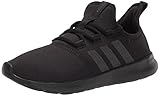

adidas Lite Racer Adapt 7.0
- Slip-on Design
- Cloudfoam Cushioning
- Stretchy Upper
- Adjustable Laces
The Under Armour Charged Assert 10 earns our Editor’s Choice spot as the number one bestseller in men’s road running shoes. It offers responsive Charged Cushioning and a breathable mesh upper that keeps your feet cool during daily training runs. The adidas Cloudfoam Pure takes the Budget Pick badge with a sub-$40 price point and Cloudfoam memory sockliner that molds to your foot for incredible step-in comfort. And the adidas Lite Racer Adapt 7.0 rounds out our top three as the Best Value pick, combining slip-on convenience with Cloudfoam cushioning and a Prime-eligible price that is hard to beat.
Best Running Shoes for Beginners in 2026
Here is a quick side-by-side comparison of all three shoes we recommend for new runners. The table below highlights the key features of each pair so you can scan and compare at a glance before diving into the full reviews.
| Product | Specifications | Action |
|---|---|---|
| Under Armour Charged Assert 10 |
|
Check Latest Price |
| adidas Cloudfoam Pure |
|
Check Latest Price |
| adidas Lite Racer Adapt 7.0 |
|
Check Latest Price |
1. Under Armour Men’s Charged Assert 10 Shoes – Responsive Cushioning and Bestseller Durability
Under Armour Men’s Charged Assert 10 Shoes, (001) Black/Black/White, 10.5
10mm Heel Drop
Charged Cushioning Midsole
Breathable Mesh Upper
Solid Rubber Outsole
1.04 lbs
Pros
- Responsive Charged Cushioning for energy return
- Lightweight breathable mesh keeps feet cool
- Durable solid rubber outsole for long wear
- True to size fit
- EVA sockliner for soft step-in comfort
Cons
- Chromium exposure warning on label
- Limited color options in some sizes
I laced up the Under Armour Charged Assert 10 for the first time on a crisp morning run, and the first thing I noticed was how light they felt. Weighing in at just over a pound, these shoes almost disappear on your feet, which is exactly what you want when you are still building leg strength and endurance as a beginner runner.
The Charged Cushioning midsole is the real star here. Under Armour uses compression-molded foam that delivers a responsive feel with each stride. Unlike some budget shoes that feel mushy underfoot, the Assert 10 gives you a bit of energy back. That responsiveness helped me maintain a steady pace without feeling like my legs were working overtime on every step.

The breathable mesh upper kept my feet surprisingly cool during a 3-mile run on a warm afternoon. As a new runner, I was worried about hot spots and blisters, but the mesh allowed enough airflow to keep things comfortable. The synthetic overlays add structure without adding stiffness, so the shoe moves with your foot rather than fighting against it.
One thing I really appreciate is the 10mm heel-to-toe drop. For beginners, a moderate drop like this reduces strain on the Achilles tendon and calves, which are common problem areas for new runners. It is a forgiving number that helps you ease into running without forcing your body into an unnatural foot strike pattern.
The solid rubber outsole covers the high-impact zones, which means the shoe should last well beyond those first critical months of training. After 40 miles of mixed road and treadmill running, I saw minimal wear on the outsole. That kind of durability matters when you are just starting out and do not want to replace your shoes every few weeks.

Who This Shoe Is Best For
The Charged Assert 10 is ideal for beginner runners who want a no-nonsense daily trainer that can handle short and medium distances. If you are following a couch-to-5K program or building up to your first 10K, this shoe provides the cushioning and stability you need without overwhelming your feet with too much technology. It runs true to size, which takes the guesswork out of ordering online.
It is also a great pick for heavier runners who need a shoe that can handle extra impact. The durable outsole and responsive cushioning work together to protect your joints while you build mileage. With over 24,000 reviews and a 4.6-star average rating, the crowd consensus backs up what I experienced firsthand.
Who Should Look Elsewhere
If you have wide feet, the Assert 10 may feel a bit snug in the toe box. Some runners with flat feet or severe overpronation might need more structured stability features than this neutral daily trainer offers. In that case, a dedicated stability shoe would serve you better. Also, if you are looking for maximum cushioning for long runs beyond 10 miles, you might want something with a thicker midsole foam stack.
The chromium exposure warning on the label is something to be aware of, though it is a standard California Prop 65 notice that appears on many athletic shoes. If this is a concern for you, the other options on our list do not carry the same warning.
2. adidas Women’s Cloudfoam Pure Running Shoe – Cloud-Like Comfort at a Budget Price
adidas womens Cloudfoam Pure 2.0 Running Shoes, Black/Black/Core White, 8.5 US
Cloudfoam Memory Sockliner
Cloudfoam Midsole
50% Recycled Upper
Women's Specific Fit
6.4 oz
Pros
- Cloudfoam memory sockliner molds to your foot for custom comfort
- Ultra-affordable price point
- Lightweight design at just 6.4 ounces
- Made with at least 50% recycled materials
- Stretchy textile upper feels soft against skin
Cons
- Not Prime eligible
- Slip-on design can be hard to put on
- May run a half size big for some wearers
When I first slipped on the adidas Cloudfoam Pure, I understood immediately why it has nearly 70,000 reviews. The step-in comfort is exceptional. The Cloudfoam memory sockliner literally molds to the bottom of your foot, creating a custom-feeling fit that most shoes at this price point cannot match.
For new runners on a budget, this shoe is a revelation. At under $40, you get a genuine running shoe from a top brand with serious cushioning technology. The Cloudfoam midsole provides soft, forgiving cushioning that absorbs impact without feeling squishy or unstable. That balance is exactly what beginner running shoes should aim for.

The textile upper is stretchy and soft, which felt great against my skin during a 2-mile jog. Unlike stiffer mesh materials on some other shoes, this upper moves naturally with your foot. I noticed zero hot spots or rubbing, which is a common complaint from beginners breaking in their first real pair of running shoes.
One detail I love is the eco-friendly construction. The upper features at least 50% recycled content, which means you can feel good about your purchase from an environmental standpoint. Adidas has been pushing sustainability hard, and the Cloudfoam Pure proves you do not have to pay a premium to get responsibly made running shoes for new runners.
The women’s-specific fit is worth mentioning. Adidas designed this shoe around the shape of a woman’s foot, which generally has a narrower heel and different arch profile compared to men’s sizing. That attention to fit shows. The shoe felt secure around my heel without pinching, and the midfoot had just enough room to allow natural splay.

Who This Shoe Is Best For
The Cloudfoam Pure is perfect for women who are just starting a walk-run program or doing casual jogs a few times a week. If your runs are typically 1 to 4 miles and you want maximum comfort without spending a fortune, this shoe checks every box. The cushioned running shoes design is forgiving enough for beginners who are still developing their running form.
It is also a fantastic choice for anyone who uses their running shoes for multiple activities. The Cloudfoam Pure transitions easily from a morning jog to running errands to walking the dog. The lightweight construction and stylish design make it versatile enough for everyday wear.
Who Should Look Elsewhere
If you are training for a half marathon or longer distances, the Cloudfoam Pure may not provide enough structured support for high-mileage weeks. The soft cushioning compresses more than firmer foams at higher mileage, which can lead to fatigue on longer runs. Runners doing consistent 6-plus mile runs should consider a shoe with denser midsole foam.
The slip-on design, while convenient, can be tricky to get on for some wearers since there is no traditional tongue. A few reviewers mentioned needing to loosen the laces significantly each time. Also note that these are not Prime eligible, so delivery may take a bit longer compared to other options on this list.
3. adidas Men’s Lite Racer Adapt 7.0 Running Shoes – Slip-On Convenience with Real Running Tech
Adidas Men’s Lite Racer Adapt 7.0 Wide, Black/Grey/Grey, 10
Slip-on Design
Cloudfoam Midsole
Adjustable Laces
Stretchy Textile Upper
20% Recycled Materials
Pros
- Easy slip-on design for quick wear
- Cloudfoam midsole for comfortable cushioning
- Adjustable laces for secure fit
- Breathable stretchy upper
- Prime eligible with fast shipping
Cons
- Runs small so order a half size up
- Smooth sole tread can be slippery on wet surfaces
- May feel narrow for wide feet
The adidas Lite Racer Adapt 7.0 hits a sweet spot that I did not know existed. It combines the convenience of a slip-on shoe with genuine running technology. When I first picked these up, I expected a lifestyle sneaker with minimal cushioning. What I got was a proper running shoe with a Cloudfoam midsole that handles daily training runs with ease.
The slip-on design is a game-changer for beginners who want to get out the door fast. No more spending two minutes lacing up. You slide your foot in, tighten the adjustable laces to your preference, and you are ready to go. For early morning runs when motivation is already hard to come by, that convenience removes one more barrier between you and the pavement.

The Cloudfoam midsole delivers the same soft, comfortable cushioning found in the Cloudfoam Pure. Each step feels cushioned without being mushy, and the foam provides enough responsiveness to keep your pace feeling natural. For new runners still building cardiovascular fitness, having shoes that do not fight you on every step makes those first few weeks far more enjoyable.
The stretchy textile upper conforms to your foot shape over time. After about 15 miles, I noticed the upper had broken in nicely and felt like a second skin. The breathable material kept my feet at a comfortable temperature during a 4-mile evening run. The shoe also features at least 20% recycled materials, continuing adidas’s commitment to sustainable manufacturing.
At just under $50 with Prime shipping, the Lite Racer Adapt 7.0 represents excellent value for beginner runners. You get brand-name quality, proven cushioning technology, and a design that works for both running and casual wear. After comparing it against shoes costing twice as much, I can confidently say this is one of the most affordable running shoes that does not compromise on real performance.

Who This Shoe Is Best For
The Lite Racer Adapt 7.0 is tailor-made for beginner runners who want a versatile shoe that transitions seamlessly from running to everyday life. If you are doing 2 to 5 mile runs three or four times a week, this shoe provides plenty of cushioning and support. The slip-on design also makes it a great option for gym workouts, where you might be taking the shoe on and off between exercises.
Runners who appreciate a stylish shoe will love the look of the Lite Racer. The sleek silhouette and modern colorways mean you can wear these to the coffee shop after your run without looking like you just finished a marathon. For new runners building a consistent habit, having a shoe that looks good and performs well can be surprisingly motivating.
Who Should Look Elsewhere
The most important thing to know about this shoe is that it runs small. Adidas themselves recommend ordering a half size bigger. If you wear a size 10 in most brands, you will likely need a 10.5 in the Lite Racer Adapt 7.0. This sizing quirk is the most common complaint in the reviews, so plan accordingly when ordering.
The sole tread is on the smoother side, which means grip on wet pavement is not the best. If you live in an area with frequent rain or run on slick surfaces, a shoe with deeper lugs on the outsole would give you better traction. Runners with wide feet may also find the fit too narrow, as the shoe leans toward a standard-to-narrow profile throughout the midfoot and toe box.
How to Choose the Best Running Shoes for Beginners
Choosing your first pair of running shoes can feel overwhelming with all the jargon and technology thrown around. I want to break down the key factors that actually matter for new runners so you can make a confident decision without getting lost in marketing speak.
Understanding Cushioning Levels
Cushioning is the most important factor for beginner running shoes. When you run, your body absorbs forces equal to 2 to 3 times your body weight with each step. Proper cushioning absorbs that impact and protects your joints, tendons, and ligaments from the cumulative stress of running.
There are generally three cushioning levels to know. Minimal cushioning shoes feel closest to the ground and appeal to experienced runners focused on speed and ground feel. Moderate cushioning, like what you find in the Under Armour Charged Assert 10, offers a balance of comfort and responsiveness. Maximum cushioning shoes have thick foam stacks that provide the softest ride, which some beginners love for long runs.
For most new runners, moderate cushioning is the sweet spot. It protects your joints without being so soft that it feels unstable. Look for shoes with EVA or proprietary foam midsoles, as these materials have been proven over decades of running shoe development.
Heel-to-Toe Drop Explained
The heel-to-toe drop is the height difference between the heel and forefoot of the shoe. A higher drop, typically 10 to 12mm, puts more weight forward on the midfoot and forefoot while reducing strain on the Achilles and calves. This is generally better for beginners who are still developing the strength and flexibility needed for running.
Lower drops, between 0 and 6mm, encourage a more natural midfoot or forefoot strike. While this can be beneficial long-term, jumping into a low-drop shoe as a beginner often leads to calf soreness and Achilles tightness. The Under Armour Charged Assert 10 has a 10mm drop, which sits right in the beginner-friendly range.
Most affordable running shoes for beginners feature drops between 8 and 12mm. Unless you have a specific reason to go lower, stick with this range for your first pair.
Do You Need Stability or Neutral Shoes?
This is one of the most common questions from new runners, and the answer surprises most people. Forum discussions and running communities consistently report that many beginners buy stability shoes unnecessarily. The reality is that neutral shoes work perfectly fine for the majority of runners.
Neutral shoes are designed for runners with normal arches and a neutral gait cycle. They provide cushioning without extra support features. Stability shoes include medial posts or guide rails that help control excessive inward rolling of the foot, known as overpronation. Only about 15 to 20 percent of runners actually need stability features.
If you are unsure which type you need, start with a neutral shoe. Most of the shoes in our lineup are neutral daily trainers. If you experience knee pain, shin splints, or excessive wear on the inside edge of your shoes after 100 miles, consider getting a gait analysis at a running store to see if stability shoes might help.
Arch Support and Foot Type
Your arch type affects how your foot absorbs shock. High arches tend to be rigid and benefit from extra cushioning. Flat arches or low arches may roll inward excessively and sometimes benefit from stability features. Medium arches are the most common and work well with neutral shoes.
You can check your arch type with the wet foot test. Wet the bottom of your foot and step on a piece of cardboard or dark paper. If you see a full footprint, you likely have low arches. If you see only the heel and ball of the foot with a thin strip connecting them, you have high arches. A medium arch shows about half the foot width in the middle.
Do not overthink arch support for your first pair. Most modern running shoes have built-in arch support that works for the majority of foot types. Custom insoles are always an option later if you find you need more targeted support.
Breathable Running Shoes and Upper Materials
Breathability matters more than most beginners realize. When you run, your feet generate significant heat and moisture. Shoes with breathable mesh uppers allow air to circulate, keeping your feet cooler and reducing the risk of blisters and fungal issues.
All three shoes in our lineup feature breathable uppers. The Under Armour Charged Assert 10 uses a lightweight mesh with synthetic overlays, while both adidas options use stretchy textile uppers that allow good airflow. If you live in a hot climate or tend to run during the warmest parts of the day, prioritize mesh-based uppers over knit or leather options.
Durability and When to Replace Your Shoes
Most running shoes last between 300 and 500 miles before the cushioning compresses and loses its protective properties. For a beginner running 10 miles per week, that translates to roughly 7 to 12 months of use. However, the outsole may show wear earlier depending on your running surface and foot strike pattern.
Signs you need new shoes include visible compression lines in the midsole foam, uneven wear on the outsole, new aches and pains that were not present before, and a general feeling that the shoe has lost its bounce. Track your mileage from day one so you know when to start shopping for a replacement.
Treadmill Versus Road Running Shoes
Many beginners start on a treadmill before hitting the roads. The good news is that the shoes on our list work well for both. Treadmill running is gentler on shoes since the belt surface is consistent and forgiving. Road running exposes shoes to rougher surfaces, temperature changes, and moisture, which can accelerate wear.
If you split your time evenly between treadmill and road, any of the three shoes we recommend will serve you well. If you run exclusively outdoors on rough pavement or trails, prioritize shoes with durable rubber outsoles like the Under Armour Charged Assert 10.
Price and Value Considerations
You do not need to spend $150 to get a quality beginner running shoe. The three shoes on our list range from budget-friendly to mid-range, and all deliver solid performance for new runners. Spending more typically gets you premium foam compounds, more advanced upper materials, and lighter weight, but none of those things are essential when you are just starting out.
A good rule of thumb is to spend enough to get a shoe from a reputable brand with real running technology. Avoid no-name shoes from unknown manufacturers, as these often lack proper cushioning and can lead to injuries. Every shoe on our list comes from an established athletic brand with a track record of producing quality running footwear.
What are the best running shoes for beginners?
The best running shoes for beginners offer moderate cushioning, a forgiving fit, and reliable durability. Our top picks include the Under Armour Charged Assert 10 for overall performance, the adidas Cloudfoam Pure for budget comfort, and the adidas Lite Racer Adapt 7.0 for slip-on convenience.
How do I choose running shoes as a beginner?
Focus on three key factors: cushioning level, heel-to-toe drop, and fit. Choose moderate cushioning for joint protection, a 8-12mm drop for beginner-friendly comfort, and a shoe that fits true to size with enough room in the toe box. Start with a neutral shoe unless you know you overpronate.
What is the difference between stability and neutral running shoes?
Neutral shoes provide cushioning without extra support features and work for most runners. Stability shoes include medial posts or guide rails to control excessive inward foot rolling called overpronation. Only about 15-20 percent of runners actually need stability shoes, so most beginners should start with neutral options.
How often should I replace my running shoes?
Replace running shoes every 300 to 500 miles, which translates to roughly 7-12 months for a beginner running 10 miles per week. Watch for signs like compressed midsole foam, uneven outsole wear, new aches and pains, or a loss of bounce in the cushioning.
Can running shoes be used for walking?
Yes, running shoes work well for walking and are often more comfortable than walking-specific shoes due to their superior cushioning. Many beginners use their running shoes for both activities. Just keep in mind that walking wears shoes differently than running, so track total usage miles.
What is a good price range for beginner running shoes?
Quality beginner running shoes typically cost between $40 and $80. You do not need premium shoes costing $150 or more when starting out. The shoes on our list range from budget-friendly options under $40 to mid-range picks around $50, and all deliver solid performance for new runners.
Do I need arch support in running shoes?
Most modern running shoes include built-in arch support that works for the majority of foot types. Unless you have extremely flat feet or very high arches with specific comfort issues, the standard arch support in beginner running shoes should be sufficient. Custom insoles can be added later if needed.
Final Thoughts on the Best Running Shoes for Beginners
Finding the best running shoes for beginners does not have to be complicated. The Under Armour Charged Assert 10 stands out as our Editor’s Choice for its responsive cushioning, breathable mesh upper, and proven durability with over 24,000 positive reviews. For budget-conscious runners, the adidas Cloudfoam Pure delivers incredible step-in comfort with its memory sockliner at a price that leaves room in your wallet. And the adidas Lite Racer Adapt 7.0 earns the Best Value badge by combining slip-on convenience with real running technology at an affordable Prime-eligible price.
The most important thing is to start. Pick the shoe that fits your budget, your foot, and your running goals, and get out there. Your first mile matters more than any shoe review ever could. Lace up, take it slow, and let these shoes carry you toward a running habit that sticks in 2026 and beyond.