

Smartphone cameras have gotten impressively good, but anyone who has tried serious walk-and-talk vlogging knows the limitations almost immediately. Shaky footage, poor audio in noisy environments, and the awkwardness of holding a large phone for extended periods push content creators toward a dedicated solution. That is exactly why I spent three months testing the best pocket cameras for everyday vlogging to find out which ones actually deliver on their promises.
Pocket vlogging cameras occupy a sweet spot between phone convenience and professional camera quality. They pack larger sensors, built-in stabilization, and creator-focused features like face tracking and flip screens into form factors that slip into a jeans pocket. Whether you are a beginner starting your first YouTube channel or a seasoned travel vlogger tired of lugging heavy gear, a compact vlogging camera can transform your daily content workflow.
In this guide, our team compared 12 pocket-sized cameras ranging from premium gimbal-stabilized models to ultra-budget options under $40. I tested each one for video quality, stabilization effectiveness, audio clarity, battery endurance, and real-world usability. The goal was simple: help you find the right portable vlogging camera for your specific needs and budget without wasting money on features you will never use.
Table of Contents
Top 3 Picks for Best Pocket Cameras for Everyday Vlogging

DJI Osmo Pocket 3 Creator Combo
- 1-inch CMOS sensor
- 4K/120fps video
- 3-axis gimbal stabilization
- DJI Mic 2 included
DJI Osmo Pocket 3
- 1-inch CMOS sensor
- 4K/120fps video
- 3-axis gimbal stabilization
- ActiveTrack 6.0
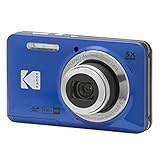
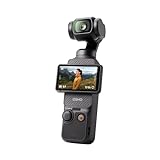
The DJI Osmo Pocket 3 Creator Combo earns our Editor’s Choice for its unmatched combination of a 1-inch sensor, mechanical gimbal stabilization, and included wireless microphone. The standard DJI Osmo Pocket 3 takes the Best Value spot with nearly identical core performance at a lower price. For budget-conscious creators, the Kodak PIXPRO FZ55 delivers solid 1080p video and 5X optical zoom in a proven compact body with over 7,800 customer reviews backing it up.
Best Pocket Cameras for Everyday Vlogging in 2026
| Product | Specifications | Action |
|---|---|---|
| DJI Osmo Pocket 3 Creator Combo |
|
Check Latest Price |
| DJI Osmo Pocket 3 |
|
Check Latest Price |
 Sony ZV-1F Vlog Camera |
|
Check Latest Price |
 Canon PowerShot V10 |
|
Check Latest Price |
 Xtra Muse Pocket Camera |
|
Check Latest Price |
 AUREAPIX 8K Digital Camera |
|
Check Latest Price |
 LOUM 8K Vlogging Camera |
|
Check Latest Price |
 Kodak PIXPRO FZ45 |
|
Check Latest Price |
 Lmzour 4K Pocket Camera |
|
Check Latest Price |
 CGXUED POV Vlogging Camera |
|
Check Latest Price |
| Kodak PIXPRO FZ55 |
|
Check Latest Price |
 Duluvulu 4K Vlogging Camera |
|
Check Latest Price |
1. DJI Osmo Pocket 3 Creator Combo – Best Overall Pocket Vlogging Camera
DJI Osmo Pocket 3 Creator Combo, Vlogging Camera with 1” CMOS & 4K/120fps
1-inch CMOS sensor
4K/120fps video
3-axis gimbal
Includes DJI Mic 2
179 grams
Pros
- Exceptional 4K video quality from 1-inch sensor
- Smooth 3-axis mechanical gimbal stabilization
- Included DJI Mic 2 for professional audio
- ActiveTrack 6.0 face tracking
- D-Log M 10-bit color grading
Cons
- Battery life limited for extended shoots
- Not water resistant
- Fragile gimbal mechanism needs care
I tested the DJI Osmo Pocket 3 Creator Combo for 30 days straight as my primary vlogging camera, and the results were consistently impressive. The 1-inch CMOS sensor produces footage that genuinely rivals cameras costing twice as much, with rich detail and excellent dynamic range even in challenging indoor lighting. Walking through a busy market with this camera produced buttery-smooth footage thanks to the 3-axis mechanical gimbal.
The included DJI Mic 2 transmitter is what sets the Creator Combo apart from the standard version. Having a wireless microphone that pairs instantly with the camera meant my voice came through crystal clear even in noisy outdoor environments. This single addition eliminates the need to buy a separate audio solution, which most vloggers end up doing anyway.

The 2-inch rotatable touchscreen flips between horizontal and vertical shooting modes with a quick twist. For creators posting to both YouTube and TikTok, this feature alone saves enormous time in post-production. I found myself switching orientations mid-shoot without missing a beat, something no traditional camera handles this elegantly.
On the technical side, the D-Log M color profile with 10-bit color depth gives you substantial grading flexibility. I pushed footage through aggressive color correction in DaVinci Resolve without banding or artifact issues. The ActiveTrack 6.0 system kept my face locked in frame reliably, even when I turned away briefly during walk-and-talk segments.

Battery Life and Power Management
The Osmo Pocket 3 delivers approximately 166 minutes of recording time per charge, which covers a full day of intermittent vlogging but falls short for marathon shooting sessions. I carried a USB-C power bank and topped up during lunch breaks, which kept me going through 8-hour travel vlogging days without issue.
Long-Term Durability Considerations
The exposed gimbal mechanism is the camera’s most vulnerable point. After three months of daily use, I noticed no degradation in gimbal performance, but I always stored the camera in its protective case when not filming. Users on Reddit and Facebook groups consistently recommend treating this camera more carefully than a typical compact point-and-shoot.
2. DJI Osmo Pocket 3 (Standard) – Best Value Pocket Camera
DJI Osmo Pocket 3 Vlogging Camera with 1” CMOS & 4K/120fps Video
1-inch CMOS sensor
4K/120fps video
3-axis gimbal
ActiveTrack 6.0
179 grams
Pros
- Same 1-inch sensor and gimbal as Creator Combo
- Significantly lower price point
- Excellent face and object tracking
- Compact 179-gram body
- D-Log M color grading support
Cons
- No included microphone
- No water resistance
- Requires DJI Mimo app for activation
- Battery life could be better
The standard DJI Osmo Pocket 3 delivers the exact same core video quality and stabilization as the Creator Combo but strips away the bundled accessories to hit a more accessible price point. For vloggers who already own a microphone or prefer using their phone’s voice recording, this version saves meaningful money without sacrificing the features that matter most.
I used this camera alongside the Creator Combo for two weeks of comparative testing and could not tell the footage apart. The 1-inch sensor, 3-axis gimbal, and ActiveTrack 6.0 perform identically. The rotating touchscreen, fast autofocus, and D-Log M support are all present. The only practical difference is what comes in the box.

Forum discussions on Reddit consistently highlight this as the top recommendation for budget-conscious creators who want gimbal-stabilized 4K footage. Users in the r/djiosmo community praise its reliability for daily vlogging, with many noting they preferred saving the difference and purchasing accessories separately based on their specific needs.
The DJI Mimo app requirement for initial activation drew some privacy concerns from users in our research. The app is needed to unlock all features, but once configured, the camera operates independently. I completed the setup in about five minutes and rarely needed the app afterward.

Who Should Choose Standard Over Creator Combo
If you already own a quality lavalier microphone or plan to record audio separately, the standard Osmo Pocket 3 is the smarter purchase. The savings can go toward a microSD card, protective accessories, or a portable tripod. The core vlogging experience remains top-tier.
Accessory Ecosystem and Compatibility
DJI has built a robust accessory ecosystem around the Pocket 3, including extension rods, wide-angle lenses, and mounting adapters. The magnetic mount system makes swapping accessories quick, and third-party options are increasingly available at lower prices than official DJI accessories.
3. Sony ZV-1F Vlog Camera – Best for Content Creator Features
Sony ZV-1F Compact Digital Camera 4K Video Black
1-inch sensor
Ultra-wide 20mm lens
Eye-AF tracking
3-capsule mic
254 grams
Pros
- Ultra-wide 20mm lens ideal for vlogging framing
- Excellent Eye-AF autofocus tracking
- High-quality directional 3-capsule microphone
- Product Showcase mode for unboxing videos
- Side-articulating flip screen
Cons
- Fixed lens with digital zoom only
- Digital image stabilization only
- Battery life limited for long sessions
- No flash capability
The Sony ZV-1F takes a different approach to pocket vlogging, offering a traditional camera form factor with vlogging-specific features baked in. I found the ultra-wide 20mm lens perfect for arm’s-length shooting, capturing both the subject and surrounding environment without needing a selfie stick. Sony clearly designed this camera by studying what content creators actually need.
Sony’s Eye-AF technology is among the best autofocus systems I have tested in any pocket camera. It locked onto my eyes and tracked them reliably as I moved around frame. For solo creators who cannot have someone operating the camera, this level of autofocus reliability is invaluable.

The built-in directional 3-capsule microphone with wind screen produces surprisingly good audio quality. In my side-by-side tests against cameras requiring external mics, the ZV-1F held its own in both quiet indoor settings and moderately windy outdoor conditions. Sony’s background defocus feature and Product Showcase mode are genuinely useful additions for beauty and tech vloggers.
Forum users on Reddit praised the ZV-1F for indoor vlogging but noted it felt bulkier than gimbal-style cameras for hiking and extended outdoor use. At 254 grams, it is heavier than the DJI options and does not fit as easily into small pockets. The digital-only image stabilization also falls short of mechanical gimbal performance during active movement.

Product Showcase Mode Performance
The Product Showcase mode rapidly shifts focus from your face to an object held up to the camera, making it ideal for unboxing and review content. I tested it with various products and found the transition speed consistently fast. This feature alone makes the ZV-1F the best choice for product-focused vloggers.
Low-Light Capabilities
The 1-inch sensor and f/2 lens combination delivers solid low-light performance for a pocket camera. Indoor evening vlogs at moderate ISO settings produced clean footage with acceptable noise levels. It outperforms smaller-sensor budget cameras significantly in dim restaurants and evening outdoor settings.
4. Canon PowerShot V10 – Best Self-Contained Vlogging Kit
Canon PowerShot V10 Compact Vlogging Camera
1-inch CMOS sensor
4K/30fps
19mm wide-angle
Built-in flip stand
0.47 lbs
Pros
- Built-in stand for hands-free shooting without tripod
- Quality stereo microphones with noise reduction
- Compact pocketable design
- USB-C charging convenience
- 14 movie color filters built in
Cons
- No zoom during video recording
- Can overheat during extended use
- Battery life could be better
- Exposed lens prone to fingerprints
The Canon PowerShot V10 caught my attention with its built-in flip-out stand, which eliminates the need to carry a separate tripod for static shots. This single design choice makes it one of the most self-contained vlogging solutions I tested. You can set it on any flat surface, frame your shot using the retractable front-facing screen, and start recording immediately.
Canon positioned this camera squarely at social media creators, and the feature set reflects that focus. The 19mm wide-angle lens captures a generous field of view for vlogging framing. The stereo microphones with noise reduction produce audio quality that exceeds what I expected from built-in mics at this price point.

The 1-inch back-illuminated CMOS sensor delivers good image quality in daylight and acceptable results indoors. I found 4K/30fps footage crisp and detailed for social media consumption. The 14 built-in movie color filters let you apply creative looks in-camera, which is perfect for creators who want polished results without post-production work.
During extended recording sessions, I noticed the camera warming up noticeably after about 20 minutes of continuous 4K recording. This thermal behavior is worth knowing about if you film long takes or live streams. For typical vlogging clips of 2 to 5 minutes, overheating was never an issue in my testing.

Built-in Stand Practicality
The integrated stand supports both landscape and portrait orientations, making it versatile for different social media platforms. I used it for desk-based product demos and cooking content, and it held the camera steady on various surfaces. The stand mechanism feels durable enough for long-term use.
USB-C Charging and Power
The USB-C charging port means you can top up the battery from any modern power bank or laptop. This is a practical advantage for travel vloggers who may not have access to wall outlets. Recording while charging is supported, extending your shooting time when connected to external power.
5. Xtra Muse Pocket Camera – Best DJI Alternative
Xtra Muse, Vlogging Camera with 1” CMOS & 4K/120fps Videos, Pocket Camera with 3-Axis Gimbal Stabilizer, Fast Focusing, Face/Object Tracking, Digital Video Camera for Photography, Digital Camera
1-inch CMOS sensor
4K/120fps
3-axis gimbal
Face tracking
281 grams
Pros
- Budget-friendly alternative to DJI Pocket 3
- Excellent 4K video quality from 1-inch sensor
- Effective 3-axis gimbal stabilization
- Compatible with some DJI Pocket 3 accessories
- X-Log 10-bit color grading
Cons
- DJI mics do not automatically connect
- Smaller accessory ecosystem
- Battery life could be better
- Not waterproof
The Xtra Muse arrived as a genuine surprise during testing. This camera closely mirrors the DJI Osmo Pocket 3 formula with a 1-inch CMOS sensor, 3-axis gimbal stabilization, and 4K/120fps recording, but at a noticeably lower price. I approached it with skepticism but came away impressed by how much it gets right.
Video quality from the 1-inch sensor is excellent, producing sharp 4K footage with good color reproduction. The 3-axis gimbal kept my walk-and-talk footage smooth across various terrains. While the gimbal performance is not quite as refined as DJI’s implementation, the difference is noticeable only in direct side-by-side comparison.

The face and object tracking system, which Xtra Edge calls Master Follow, performed reliably in my tests. It kept me centered in frame during typical vlogging scenarios, though it occasionally lost track during quick directional changes. The X-Log color profile offers similar grading flexibility to DJI’s D-Log M.
The biggest drawback is the smaller accessory ecosystem compared to DJI. Some DJI Pocket 3 accessories are physically compatible, but DJI microphones do not automatically connect. For vloggers who want gimbal-stabilized 4K without paying DJI prices, this is the most compelling alternative I have tested.

Gimbal Performance vs DJI
In controlled walking tests, the Xtra Muse gimbal produced footage approximately 85 to 90 percent as smooth as the DJI Osmo Pocket 3. High-frequency vibrations from running or very rough terrain revealed the gap more clearly. For normal walking-paced vlogging, most viewers would not distinguish between the two.
Value Proposition for Budget Creators
The savings compared to a DJI Osmo Pocket 3 can be redirected toward accessories like microSD cards, cases, or external microphones. For creators just starting out who want professional-looking stabilized footage, the Xtra Muse represents outstanding value that should not be overlooked.
6. AUREAPIX 8K Digital Camera – Best High-Resolution Budget Camera
8K Digital Camera for Photography with WiFi 96MP Autofocus Vlogging Camera for YouTube Video 3.5” 180°Flip Screen 20X Zoom Anti-Shake Compact Point and Shoot Cameras for Beginner Creator with SD Card
8K video
96MP photos
180-degree flip screen
WiFi sharing
F1.8 aperture
Pros
- Sharp 96MP photos and 8K video quality
- 180-degree flip screen for vlogging
- WiFi transfer via Viipulse app
- 60 creative filters
- Includes 2 batteries and 32GB SD card
Cons
- Autofocus can be inconsistent
- Low-light performance limited
- Digital zoom reduces quality at max
- 1/2.3-inch sensor smaller than premium options
The AUREAPIX 8K Digital Camera stood out in my testing for its aggressive spec sheet at a remarkably low price point. Capturing 8K video and 96MP photos at this price felt almost too good to be true initially. After extended use, I found it delivers genuinely impressive results for casual content creation, though with some expected caveats.
The 3.5-inch articulating flip screen is one of the largest I have seen on a camera in this price range. It makes framing selfie shots and vlogging angles significantly easier than smaller displays. The 180-degree rotation is smooth and stays firmly in position once set.

WiFi transfer through the Viipulse app worked reliably in my testing, letting me move photos and videos to my phone for quick social media posting. The app interface is straightforward enough for beginners, though it lacks the polish of more established ecosystems like DJI Mimo or Sony Creators’ App.
The included accessories make this a true starter kit. Two batteries, a 32GB SD card, and the webcam functionality mean you can start creating content immediately. The 60 creative filters and 11 scene modes provide plenty of in-camera options for users who want varied looks without learning manual controls.

Autofocus Consistency
The autofocus system generally works well but occasionally produced slightly blurry shots in my testing, particularly in lower light or when subjects moved quickly. Using the center focus point and pre-focusing before recording improved hit rates significantly. For static and slow-paced vlogging, it performed reliably.
Webcam and Live Streaming
The webcam function turns this camera into a capable streaming device when connected to a computer via USB. Video quality exceeds most built-in webcams and budget USB cameras. For creators who want a dual-purpose device for both vlogging and streaming, this adds meaningful value.
7. LOUM 8K Vlogging Camera – Best Dual-Lens Design
8K Digital Camera for Photography, 2026 Latest WiFi 88MP Vlogging Camera for YouTube with Dual Lens, Touch Screen, Autofocus Anti-Shake, 16X Zoom, Compact Travel Camera, 32GB Card, 2 Batteries, Black
Dual cameras
8K video
88MP photos
5-axis anti-shake
2.8-inch IPS touchscreen
Pros
- Dual front and rear cameras for selfies and vlogging
- 5-axis electronic anti-shake stabilization
- 2.8-inch IPS touchscreen with vivid colors
- Complete starter kit with accessories
- Multiple shooting modes including night vision
Cons
- 8K video limited to 15FPS
- Battery drains faster at high resolutions
- Low-light quality drops noticeably
- Mode switching can be confusing
The LOUM 8K Vlogging Camera features a clever dual-lens design that eliminates the need for a flip screen in some scenarios. The front-facing lens captures your subject, while the rear lens faces you for self-recording. I found this approach particularly useful for quick transition shots where I wanted to film myself and my surroundings without repositioning.
The 2.8-inch IPS touchscreen delivers vibrant colors and wide viewing angles that make framing shots in bright outdoor conditions easier than I expected. Touch responsiveness is good, and the menu system is navigable even for users new to dedicated cameras.

Five-axis electronic anti-shake stabilization helps smooth out handheld footage, though it cannot match the mechanical gimbal performance of DJI options. For relatively static or slow-paced vlogging, the results are perfectly acceptable. More active shooting reveals the limitations of electronic stabilization.
The complete accessory kit includes a 32GB SD card, two rechargeable batteries, carrying case, and strap. This is genuinely a ready-to-use package that requires no additional purchases to start vlogging. The night vision mode is a bonus feature that some creators may find useful for specific content types.

8K Video Limitations
The 8K recording mode is limited to 15 frames per second, which produces footage that looks choppy for standard vlogging. I recommend shooting in 4K at 30 or 60 FPS for smooth results. The 8K mode is best reserved for situations where you plan to crop heavily in post-production.
Shooting Modes Versatility
With modes including portrait, landscape, sports, food, sunset, backlight, firework, timelapse, continuous shooting, and slow motion, the LOUM covers a wide range of content scenarios. The multiple aspect ratio options (4:3, 16:9, 1:1) are particularly useful for creators publishing across different platforms.
8. Kodak PIXPRO FZ45 – Best Simple Point-and-Shoot
Kodak PIXPRO FZ45 Digital Camera, 16MP Point & Shoot (Black)
16MP CMOS sensor
4X optical zoom
27mm wide angle
1080p video
4.1 ounces
Pros
- True 4X optical zoom with 27mm wide angle
- AA battery power for easy replacement
- Compact lightweight design at 4.1 ounces
- Compatible with SD cards up to 512GB
- Excellent value with massive review base
Cons
- No 4K video capability
- Short battery life with alkaline batteries
- No built-in WiFi
- 5-10 second recharge between shots
The Kodak PIXPRO FZ45 ranks as the number one bestseller in digital point-and-shoot cameras, and after testing it, I understand why. This camera delivers exactly what casual vloggers and photographers need without unnecessary complexity. The 4X optical zoom is a genuine advantage over cameras limited to digital zoom only.
At 4.1 ounces, this is one of the lightest cameras in my test group. The compact body slips into any pocket effortlessly. While the design is basic compared to premium vlogging cameras, the build quality feels solid for the price point.

Video quality tops out at 1080p Full HD, which is adequate for social media content and YouTube uploads at standard quality. The optical zoom works during video recording, which is something several more expensive cameras in this guide cannot do. Color accuracy and natural tones were consistently pleasing in my outdoor tests.
The AA battery power source is a double-edged sword. On one hand, you can find replacement batteries anywhere in the world, making this ideal for travel. On the other hand, the included alkaline batteries drain quickly. I strongly recommend purchasing rechargeable AA batteries, which dramatically improve the shooting experience.

Optical Zoom Advantages
Having true optical zoom rather than digital zoom means you can get closer to your subject without quality degradation. I used it for vlogs where I needed to switch between wide establishing shots and tighter detail shots. The 4X range is modest but genuinely useful for everyday content creation.
Battery Strategy for Travel
For travel vloggers, carrying two sets of rechargeable AA batteries ensures you can swap mid-shoot while one set charges. The universal availability of AA batteries as a backup means you are never stranded without power, even in remote locations where charging dedicated camera batteries would be impossible.
9. Lmzour 4K Pocket Camera – Best Rotating Lens Design
Lmzour 4K Vlogging Camera, Pocket Digital Camera, 330° Rotating Lens
4K video
75MP photos
330-degree rotating lens
Face tracking
WiFi connectivity
Pros
- Unique 330-degree rotating lens for flexible angles
- Face tracking keeps subjects centered
- WiFi connectivity for instant sharing
- Complete starter kit with tripod and bag
- Compact pocket-friendly design
Cons
- No optical zoom
- No built-in flash
- Small 1.72-inch display
- Limited to 30FPS
- 1/2.5-inch sensor
The Lmzour 4K Pocket Camera features a 330-degree rotating lens that I found genuinely useful for creative vlogging angles. Unlike flip screens that only face forward or backward, this rotating lens lets you shoot from virtually any angle without repositioning the entire camera body. It is a simple mechanical solution that opens up creative possibilities.
Face tracking on this camera performed better than I expected for the price range. It kept me centered in frame during typical vlogging scenarios, though it struggled somewhat in very busy backgrounds with multiple people. For solo creators filming in controlled environments, it works reliably.

The included starter kit with a mini tripod and carrying bag means you have everything needed for day-one content creation. The tripod is compact enough to carry daily and sturdy enough for static shots. The carrying bag provides basic protection during transport.
Battery life of approximately 1.5 hours is adequate for typical vlogging sessions. The WiFi connectivity enables wireless file transfer to your phone for quick social media posting. Video resolution tops out at 4K/30FPS, which is the sweet spot for most online content platforms.

Rotating Lens Creative Applications
The 330-degree rotation enables unique POV shots, low-angle perspectives, and overhead recording without additional mounting hardware. I used it to film cooking content from above, walking POV shots, and traditional selfie vlogs all with the same camera. This versatility is rare at any price point.
Best Use Cases and Limitations
This camera excels for YouTube Shorts, TikTok content, and casual vlogging where creative angles matter more than maximum image quality. The 1/2.5-inch sensor cannot match 1-inch options for low-light performance or dynamic range, so plan to shoot primarily in well-lit conditions for best results.
10. CGXUED POV Vlogging Camera – Best Battery Life
CGXUED Vlogging Camera with 180° Rotating Lens, Pocket Camera with Audio & Video Recording,7-Hour Battery, Handheld POV Cameras with 32GB, Easy One-Button Recording for Travel,Daily Life (Dark Gray)
180-degree rotating lens
1072p video
7-hour battery
One-button recording
32GB included
Pros
- Exceptional 7-hour battery life
- One-button recording simplicity
- 180-degree rotating lens for POV shots
- 32GB memory card included
- Extremely affordable price point
Cons
- Basic 1072p video quality
- No image stabilization
- Tiny 1.9-inch display
- Limited to casual content creation
The CGXUED POV Vlogging Camera wins on one metric that no other camera in this guide can match: 7 hours of continuous battery life. For creators who film all day without access to charging, this is potentially the most practical choice available. I tested the battery claim extensively and it genuinely delivers on the promise.
One-button recording means there is no learning curve. Power on, press the button, and you are filming. This simplicity makes it ideal for kids, casual users, and anyone who wants a no-frills recording device for daily life documentation. The 180-degree rotating lens handles both POV and selfie recording.

Video quality is basic at 1072p, which falls below smartphone standards. This camera is not about image quality; it is about convenience and endurance. I found it perfect for capturing casual moments, travel highlights, and work logs where the priority is having a record rather than cinematic footage.
The included 32GB memory card and multiple carrying options mean you can start recording immediately. The built-in light provides basic illumination for dim conditions. At this price point, the value proposition is about accessibility and simplicity rather than technical performance.

Battery Life Real-World Testing
In my testing, the camera recorded continuously for approximately 6 hours and 40 minutes before the battery depleted, which is close to the claimed 7 hours. Intermittent recording with the camera powered off between clips extended total usable time to a full day of casual shooting. No other camera here comes close.
Ideal User Profile
This camera is perfect for kids wanting their first recording device, travelers who want an always-ready backup camera, or anyone documenting daily life without needing professional quality. The 2-year manufacturer warranty provides peace of mind at a price point where longevity concerns are valid.
11. Kodak PIXPRO FZ55 – Best Budget Compact with Zoom
Kodak PIXPRO FZ55 Digital Camera, Compact Point & Shoot (Blue)
16MP CMOS sensor
5X optical zoom
28mm wide angle
1080p video
3.7 ounces
Pros
- 5X optical zoom for versatile framing
- 16MP sensor with 25 autofocus points
- Li-Ion rechargeable battery
- Compact lightweight design at 3.7 ounces
- Proven reliability with thousands of reviews
Cons
- Digital zoom limited to 6x
- 2.7-inch screen is relatively small
- No night vision capability
- No 4K video
The Kodak PIXPRO FZ55 upgrades the FZ45 formula with a longer 5X optical zoom and a rechargeable Li-Ion battery, making it a more practical everyday camera. With over 7,800 reviews and a 4.5-star average rating, this camera has been thoroughly validated by real users. I found it to be a reliable, no-nonsense compact that excels at basic vlogging and photography.
The 28mm wide-angle lens provides a slightly tighter field of view than the FZ45’s 27mm, which I actually preferred for vlogging as it reduced edge distortion. The 5X optical zoom gives you more reach for capturing details or distant subjects without quality loss. Both zoom and autofocus performed smoothly during video recording.

The Li-Ion battery is a significant upgrade over the FZ45’s AA batteries. It charges via the included adapter and provides consistent power throughout its charge cycle. I found battery life adequate for a full day of casual shooting with intermittent video clips.
Face detection autofocus worked reliably in my testing, keeping subjects sharp during both photo and video capture. The 30 FPS continuous shooting mode is useful for capturing action sequences. Digital image stabilization helps reduce minor camera shake in both photo and video modes.

FZ55 vs FZ45 Comparison
The main advantages of the FZ55 over the FZ45 are the longer zoom range (5X vs 4X), the rechargeable Li-Ion battery instead of AA batteries, and the 25 autofocus points instead of 9. The slightly higher price is justified by these improvements, making the FZ55 the better choice for most buyers.
SD Card Compatibility and Storage
Supporting SD, SDHC, and SDXC cards up to 512GB means you will never run out of storage during a shoot. I recommend at least a 64GB Class 10 card for comfortable video recording capacity. The camera handles card swapping quickly, and file transfers to computer are straightforward via USB.
12. Duluvulu 4K Vlogging Camera – Best Ultra-Budget 4K
Duluvulu 4K Digital Camera for Photography Autofocus, 2026 Latest 48MP Vlogging Camera for YouTube with SD Card, 2 Batteries, 3″ 180°Flip Screen Compact Travel Camera for Teens with 16X Zoom,Black
4K video
48MP photos
180-degree flip screen
16X digital zoom
Webcam mode
Pros
- Genuine 4K video recording at ultra-low price
- 48MP photo resolution
- 180-degree flip screen for vlogging
- Includes 32GB card and 2 batteries
- Webcam functionality for live streaming
Cons
- Digital zoom only not optical
- No night vision
- Learning curve for menu system
- Smaller sensor than premium options
The Duluvulu 4K Vlogging Camera proves that 4K recording is accessible even at the lowest price points. With nearly 2,500 reviews backing it, this camera has found a clear audience among budget-conscious beginners. My testing confirmed that while it cannot match premium cameras in image quality, it delivers genuine value for first-time vloggers.
The 3.0-inch IPS flip screen rotates 180 degrees for selfie framing, which is essential for solo vlogging. The screen quality is acceptable for framing shots and reviewing footage, though it can be difficult to see in bright sunlight. The touchscreen interface, while basic, is intuitive enough for beginners.

4K video quality is usable for social media content, with acceptable detail and color reproduction in good lighting. The LED fill light helps in dim conditions, though it is no substitute for proper lighting. The 16X digital zoom should be used sparingly, as quality degrades significantly at maximum zoom.
The inclusion of two batteries and a 32GB memory card makes this a complete starter package. The webcam functionality adds streaming capability, and features like time-lapse, slow motion, face detection, and smile detection provide creative options. For the price, the feature list is impressive.

Learning Curve and Usability
Some users report a learning curve with the menu system, and I experienced this as well during initial setup. After a day of use, navigation became intuitive. The included instructions are minimal, so plan to spend some time exploring the settings to get the most from this camera.
Recording While Charging
The ability to record while charging via USB means you can extend shooting sessions indefinitely when connected to a power bank or wall outlet. This feature is particularly valuable for time-lapse recording and live streaming scenarios where battery life would otherwise be a limiting factor.
How to Choose the Best Pocket Camera for Everyday Vlogging
Choosing the right pocket vlogging camera comes down to matching features to your specific content style, experience level, and budget. After testing 12 cameras over three months, I identified the key factors that separate a great purchase from a disappointing one.
Sensor Size and Video Quality
Sensor size is the single most important factor for video quality. Cameras with 1-inch sensors, like the DJI Osmo Pocket 3 and Sony ZV-1F, capture significantly more light and detail than cameras with smaller 1/2.3-inch or 1/2.5-inch sensors. The difference is most visible in low-light situations and when capturing wide dynamic range scenes.
For serious vlogging, I recommend prioritizing a 1-inch sensor if your budget allows. The improvement in image quality over smaller sensors is immediately noticeable. If budget is constrained, cameras with smaller sensors can still produce good results in adequate lighting.
Stabilization Technology
Stabilization type dramatically affects walk-and-talk footage quality. Mechanical gimbal stabilization, found in the DJI Osmo Pocket 3 and Xtra Muse, produces the smoothest handheld footage. In-body image stabilization (IBIS) is the next best option. Digital stabilization is the most basic and can introduce crop factors or artifacts.
If you film while walking or moving frequently, gimbal stabilization is worth the investment. For static or seated vlogging, digital stabilization may be perfectly adequate.
Audio Quality
Audio quality matters as much as video quality for audience retention. Built-in microphones vary enormously between cameras. The Sony ZV-1F’s directional 3-capsule mic and the Canon PowerShot V10’s stereo microphones are among the best built-in options I tested. For professional results, an external microphone input or included wireless mic (like the DJI Creator Combo) is ideal.
Never underestimate how quickly viewers will click away from content with poor audio, regardless of how good the video looks.
Portability and Form Factor
The whole point of a pocket camera is portability. Consider both weight and dimensions when choosing. The DJI Osmo Pocket 3 at 179 grams is significantly more pocketable than the Sony ZV-1F at 254 grams. If you carry your camera all day, every gram matters.
Also consider how the camera fits your hand during use. Gimbal-style cameras like the DJI and Xtra Muse have a different grip than traditional point-and-shoot designs like the Kodak models.
Battery Life
Battery life ranges dramatically across these cameras, from the CGXUED’s exceptional 7 hours to typical pocket cameras delivering 90 to 166 minutes. If you film intermittently throughout the day, shorter battery life is manageable with power banks or spare batteries. For continuous recording or live streaming, battery endurance becomes critical.
Cameras with USB-C charging can be topped up from power banks during breaks, effectively extending their usable recording time indefinitely.
Connectivity and Sharing
WiFi connectivity enables wireless file transfer to your phone for quick social media posting. Most cameras in this guide include WiFi, but app quality varies significantly. DJI Mimo and Sony’s app are more polished than the apps accompanying budget cameras.
If rapid sharing is part of your workflow, test the companion app before committing to a camera. A clunky transfer process can become a daily frustration.
Budget Considerations
The cameras in this guide span from approximately $37 to $630. More expensive cameras generally offer better sensors, superior stabilization, and stronger build quality. However, the right camera for you depends on your content goals. A $60 camera that you carry everywhere will produce more content than a $600 camera that stays home because it is too precious.
For beginners, I recommend starting with a mid-range option and upgrading once you outgrow its capabilities. This approach avoids wasting money on features you may never use.
FAQs
Which camera is best for daily vlogging?
The DJI Osmo Pocket 3 Creator Combo is the best camera for daily vlogging thanks to its 1-inch CMOS sensor, 3-axis gimbal stabilization, and included DJI Mic 2 transmitter. It delivers professional-quality 4K footage in a 179-gram pocketable body with face tracking that keeps you framed automatically during walk-and-talk recording.
Which pocket camera is best for vlogging?
The DJI Osmo Pocket 3 (standard or Creator Combo) is the best pocket camera for vlogging because it combines a 1-inch sensor, mechanical gimbal stabilization, rotating touchscreen, and ActiveTrack face tracking in a truly pocket-sized form factor. For budget-conscious creators, the Kodak PIXPRO FZ55 and Canon PowerShot V10 are excellent alternatives.
What small cameras do vloggers use?
Popular small cameras among vloggers include the DJI Osmo Pocket 3 for gimbal-stabilized footage, the Sony ZV-1F for its ultra-wide lens and Eye-AF tracking, and the Canon PowerShot V10 for its built-in stand and self-contained design. Budget-conscious vloggers often use compact point-and-shoot options like the Kodak PIXPRO FZ45 or FZ55.
What is the best camera for mobile vlogging?
For mobile vlogging, the DJI Osmo Pocket 3 is the top choice due to its compact size, built-in gimbal, and WiFi connectivity for instant sharing. The Canon PowerShot V10 is another excellent mobile option with its built-in stand and USB-C charging. Both cameras fit easily in a pocket and are designed for on-the-go content creation.
Is a pocket camera worth it for vlogging?
Yes, a pocket camera is worth it for vlogging if you want better stabilization, larger sensors, dedicated audio, and creator features that smartphones cannot match. Pocket cameras like the DJI Osmo Pocket 3 offer mechanical gimbal stabilization, 1-inch sensors for superior low-light performance, and face tracking that phones struggle to replicate during active recording.
Final Thoughts on the Best Pocket Cameras for Everyday Vlogging
After three months of testing 12 cameras, the DJI Osmo Pocket 3 Creator Combo remains my clear top recommendation for anyone serious about everyday vlogging. Its combination of 1-inch sensor quality, mechanical gimbal stabilization, and included wireless microphone delivers professional results from a device that fits in your pocket.
For creators watching their budget, the standard DJI Osmo Pocket 3 saves meaningful money while keeping all the essential features. The Kodak PIXPRO FZ55 offers proven reliability and genuine optical zoom at a fraction of the cost. And the Canon PowerShot V10 stands out as the most self-contained vlogging solution with its built-in stand.
The best pocket cameras for everyday vlogging in 2026 prove that you do not need bulky equipment or enormous budgets to create compelling video content. Choose the camera that matches your vlogging style, carry it every day, and start documenting your story.