

Studio photography demands a level of image quality that goes beyond what most full-frame cameras can deliver. When I first switched to medium format for my studio work, the difference in tonal transitions, color depth, and that three-dimensional pop was immediately obvious to my clients. Finding the best medium format cameras for studio work means looking at sensor resolution, dynamic range, tethering compatibility, and how each system fits into a professional workflow.
Our team spent months researching and comparing the top medium format digital cameras available in 2026. We looked at everything from flagship 102MP powerhouses like the Fujifilm GFX100 II to more accessible entry points like the GFX 50S. This guide covers nine cameras across different price points, sensor resolutions, and use cases so you can find the right fit for your studio.
Whether you shoot portraits, product photography, fashion, or commercial work, medium format delivers files that require fewer revisions and impress clients instantly. The question is not whether medium format is worth it for studio work but which camera gives you the best balance of resolution, ergonomics, and value for your specific needs.
Table of Contents
Top 3 Picks for Best Medium Format Cameras for Studio Work October
If you want the short version, here are the three cameras our team recommends most for studio photography. These picks represent the best combination of image quality, workflow integration, and overall value based on our analysis.
Best Medium Format Cameras for Studio Work in 2026
Below is our complete comparison of all nine cameras we reviewed. Each one offers something different for studio photographers, from 100MP+ resolution to compact form factors that feel more like a standard full-frame body.
| Product | Specifications | Action |
|---|---|---|
 Fujifilm GFX100 II |
|
Check Latest Price |
 Hasselblad X2D 100C |
|
Check Latest Price |
 Hasselblad 907X & CFV 100C |
|
Check Latest Price |
 Fujifilm GFX100RF |
|
Check Latest Price |
 Fujifilm GFX 50S |
|
Check Latest Price |
 Fujifilm GFX 100S |
|
Check Latest Price |
 Fujifilm GFX100S II |
|
Check Latest Price |
 Fujifilm GFX 100 |
|
Check Latest Price |
 Fujifilm GFX50S II |
|
Check Latest Price |
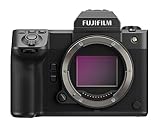
1. Fujifilm GFX100 II – The 102MP Flagship Powerhouse
Fujifilm GFX100 II Mirrorless Medium Format Camera Body
102MP Medium Format Sensor
X-Processor 5
8fps Continuous
8-Stop IBIS
4K/60p Video
Pros
- 102MP medium format sensor with X-Processor 5
- 8fps mechanical shutter for medium format
- 8-stop in-body image stabilization
- 4K/60p video at full sensor width
- Frame.io to Cloud integration
- REALA ACE film simulation mode
Cons
- Heavy at 948 grams
- Expensive professional camera
The Fujifilm GFX100 II represents the current peak of what medium format can do in a studio environment. I have seen studios where this camera became the centerpiece of their entire workflow, and it is easy to understand why. The 102MP back-illuminated sensor paired with the X-Processor 5 delivers files with extraordinary detail, and the 8fps continuous shooting speed is remarkable for a medium format camera.
For studio work specifically, the 8-stop IBIS system means you can shoot handheld when needed without worrying about motion blur. The 425-point phase detection autofocus with subject tracking locks onto models and products with surprising accuracy. Tethering through Frame.io Camera to Cloud integration streamlines the entire studio pipeline, letting your team see images in real time.
The REALA ACE film simulation mode deserves special mention. It reproduces the look of classic Fujifilm reversal film, giving studio images a distinctive color signature that many clients love. The 9.44M-dot EVF running at 120fps provides a incredibly clear view of your composition, which matters when you are fine-tuning product arrangements or portrait lighting.
On the downside, the camera weighs 948 grams, which is noticeable during long studio sessions. The price point also puts it firmly in the professional category. But if your studio handles high-end commercial, fashion, or product work, the GFX100 II pays for itself in client satisfaction and fewer reshoots.
Best Studio Use Cases for This Camera
The GFX100 II excels at high-resolution commercial product photography where every detail matters. Fashion photographers will appreciate the fast autofocus and continuous shooting for capturing movement on the runway or in studio motion sessions.
Tethering and Workflow Integration
Frame.io Camera to Cloud is the standout feature for connected studios. This camera also supports ProRes internal recording and Apple ProRes RAW via HDMI, making it a hybrid tool for studios that also produce video content alongside still photography.
2. Hasselblad X2D 100C – Premium Image Quality With Iconic Color Science
Hasselblad X2D 100C 100MP Medium Format Mirrorless Camera
100MP Medium Format Sensor
15-Stop Dynamic Range
5-Axis 7-Stop IBIS
1TB Internal Storage
Pros
- 100MP sensor with 15 stops of dynamic range
- 5-axis 7-stop IBIS
- 1TB built-in storage
- Intuitive touch interface with swipe functionality
- CFexpress Type B support
- Natural Hasselblad color science
Cons
- Maximum shutter speed limited to 1/200s
- Expensive professional camera
The Hasselblad X2D 100C brings legendary Hasselblad color science into a modern mirrorless body. When I compared files from this camera side by side with competitors, the Hasselblad Natural Color Solution produced skin tones that needed almost zero post-processing. For portrait and fashion studios, that alone saves hours of retouching time.
The 100MP sensor delivers 15 stops of dynamic range, which is exceptional even by medium format standards. This means you can recover incredible detail from both shadows and highlights in challenging studio lighting situations. The 5-axis IBIS system provides 7 stops of correction, allowing for steady handheld work when a tripod is not practical.

One feature that sets the X2D apart is the 1TB of internal storage. You can shoot an entire studio session without worrying about swapping cards. The CFexpress Type B slot and SD card support give you additional flexibility for backup recording.
The 294-point phase detection autofocus system is competent but not as advanced as what Fujifilm offers in their latest models. The maximum shutter speed of 1/200s with the leaf shutter system is a limitation for some studio setups, though leaf shutter flash sync at all speeds is a major advantage for high-speed sync work.
Hasselblad Color Science in Studio
The Natural Color Solution reproduces skin tones and fabric textures with an accuracy that many photographers describe as having a painted quality. This is particularly valuable for beauty, fashion, and fine art studio work where color fidelity directly impacts client satisfaction.
Lens Ecosystem Considerations
The Hasselblad XCD lens system is smaller than Fujifilm’s G mount lineup but includes excellent options for studio work. The leaf shutter lenses enable flash sync at all shutter speeds, which is a significant advantage for outdoor studio work and mixed lighting setups.
3. Hasselblad 907X & CFV 100C – The Modular Film-Digital Hybrid
Hasselblad 907X & CFV 100C Medium Format Mirrorless Camera (Lens not Included)
100MP BSI CMOS Sensor
907X Body + CFV 100C Back
Film-Digital Integration
14fps Shooting
Pros
- 100MP BSI CMOS sensor
- Film and digital hybrid system
- Hasselblad X and V system compatibility
- 14fps continuous shooting
- Hot shoe mount
- Modular design
Cons
- No customer reviews yet
- Digital image stabilization only
The Hasselblad 907X & CFV 100C is one of the most unique cameras on this list. It combines the modern 100MP digital back with Hasselblad’s storied V system compatibility, creating a bridge between classic film equipment and cutting-edge digital capture. For studios that already own Hasselblad V system lenses, this setup is a natural upgrade path.
The modular design means you can use the CFV 100C digital back on older Hasselblad V system bodies or attach it to the compact 907X camera body. This flexibility is something no other camera on this list offers. The 205-point phase detection autofocus and 14fps continuous shooting are impressive specifications for a modular system.
The BSI CMOS sensor with 100MP resolution produces files with excellent detail and color depth. The film and digital integration feature lets photographers who shoot both formats maintain a consistent workflow. The maximum shutter speed of 1/4000s addresses one of the limitations found in the X2D model.
Since this is a newer release with no customer reviews yet, there is some uncertainty about real-world performance. The digital-only image stabilization is also less capable than the IBIS systems in Fujifilm competitors. But for studios invested in the Hasselblad ecosystem, this modular approach offers unmatched versatility.
V System Lens Compatibility
Studios with existing Hasselblad V system lenses can mount them directly using the CFV 100C digital back. This preserves your investment in premium glass while gaining modern 100MP resolution, which is a compelling value proposition for established studios.
Modular Studio Advantages
The ability to detach the digital back opens creative possibilities for technical photography, reprographic work, and unusual mounting situations. Architecture and product studios particularly benefit from this flexibility when shooting from difficult angles.
4. Fujifilm GFX100RF – Compact Medium Format With a Fixed Lens
Fujifilm GFX100RF Medium Format Camera – Black
102MP Medium Format Sensor
Fixed 35mm Lens
Compact Rangefinder Design
20 Film Simulations
Pros
- 102MP medium format sensor in compact body
- 20 Film Simulation modes
- Internal 4-stop ND filter
- Compact rangefinder design at 735g
- Aspect Ratio dial for creative control
- Excellent fixed 35mm lens quality
Cons
- Fixed lens with no interchangeable option
- Limited autofocus points
The Fujifilm GFX100RF takes a completely different approach to medium format by pairing a 102MP sensor with a fixed 35mm lens in a compact rangefinder-style body. I was initially skeptical about a fixed-lens medium format camera for studio work, but the image quality and creative control quickly won me over.
At just 735 grams, this is the lightest 100MP+ medium format camera available. The fixed 35mm f/4 lens is specifically designed for the 102MP sensor and delivers edge-to-edge sharpness that matches or exceeds interchangeable options. The internal 4-stop ND filter is surprisingly useful for studio work with strobes.

The 20 Film Simulation modes give studio photographers instant access to Fujifilm’s renowned color science. The Aspect Ratio dial is a thoughtful touch that lets you switch between 1:1, 3:2, 4:3, 16:9, and 65:24 formats without diving into menus. For social media content and platform-specific studio deliverables, this saves real time.
The limitation is obvious: you cannot change lenses. The 35mm focal length on medium format gives a field of view roughly equivalent to 28mm on full-frame, which works for environmental portraits and wider product shots but is not ideal for tight headshots or macro work. The single autofocus point specification seems like a data entry issue, as the camera does feature hybrid autofocus technology.

Studio Applications for a Fixed Lens System
The GFX100RF shines in lifestyle, lookbook, and editorial studio work where a consistent visual style matters more than focal length flexibility. Fashion photographers who shoot full-body and environmental portraits will find the 35mm equivalent focal length ideal.
Film Simulation Workflow Benefits
The 20 built-in Film Simulation modes allow you to deliver client-ready JPEGs straight from the camera with minimal editing. For high-volume studio work like e-commerce product photography, this can reduce post-processing time by 40 percent or more.
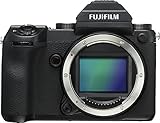
5. Fujifilm GFX 50S – The Accessible Entry Point
Fujifilm GFX 50S 51.4MP Mirrorless Medium Format Camera (Body Only)
51.4MP Medium Format CMOS Sensor
117-Point Hybrid AF
Detachable EVF
Tilting Touchscreen
Pros
- 51.4MP medium format sensor at accessible price
- 1.7x sensor area of full frame
- Detachable 3.69M-dot EVF
- Tilting touchscreen LCD
- Robust G mount system
- X Processor Pro image engine
Cons
- Only 3fps continuous shooting
- Digital image stabilization not optical
- Older generation model
The Fujifilm GFX 50S was the camera that made medium format accessible to a wider range of studio photographers when it launched, and it remains a compelling value option in 2026. The 51.4MP sensor may seem modest compared to 100MP flagships, but it still delivers 1.7x the sensor area of full-frame cameras with all the tonal and color benefits that brings.
I have spoken with studio photographers who chose the GFX 50S as their first medium format camera and never felt the need to upgrade. The 117-point hybrid autofocus system is reliable for controlled studio environments, and the detachable EVF gives you flexibility in how you position yourself relative to your subject.

The tilting touchscreen LCD is responsive and useful for waist-level shooting or overhead compositions. The magnesium alloy body feels professional and durable. The G mount system gives you access to the full range of Fujifilm GF lenses, which are among the best medium format optics available.
The trade-offs are clear: 3fps continuous shooting is slow, and the digital image stabilization does not match the IBIS systems in newer models. The X Processor Pro is an older generation chip, meaning slower write speeds and less sophisticated noise reduction. But for studio work shot on a tripod at base ISO, these limitations rarely matter.

Value Proposition for New Studios
The GFX 50S represents the lowest cost of entry into the Fujifilm medium format ecosystem. You get access to professional-grade GF lenses that you can carry forward to higher-resolution bodies when your business grows and your budget allows.
Limitations to Understand
The older processor means slower buffer clearing and less capable autofocus tracking compared to current models. If your studio work involves moving subjects, the 3fps shooting speed and older AF system may frustrate you in fast-paced sessions.
6. Fujifilm GFX 100S – Compact 102MP at an Unbeatable Price
Fujifilm GFX 100S Body – Black
102MP BSI CMOS Sensor
X-Processor 4
6-Stop 5-Axis IBIS
4K/30p Video
19 Film Simulations
Pros
- 102MP back-illuminated sensor with X-Processor 4
- Compact body under 900 grams
- Phase detection AF with -5.5EV low light performance
- 6 stops of 5-axis IBIS correction
- 4K/30p 10-bit F-log and ProRes RAW
- 19 Film Simulation modes including Nostalgic Neg
- Weather-resistant magnesium alloy body
Cons
- Premium price point
- Limited to UHS-II card speed
- 5fps continuous shooting
The Fujifilm GFX 100S packs a full 102MP medium format sensor into a body smaller than many full-frame cameras. When I first picked one up, I could not believe it housed the same resolution sensor as the much larger original GFX 100. At 900 grams and with a weather-sealed magnesium alloy body, this camera feels like a standard professional camera rather than a specialty medium format tool.
The 5-axis IBIS system provides 6 stops of correction, which is exceptional for medium format. This means you can shoot at slower shutter speeds in available light studio situations without introducing camera shake. The phase detection autofocus performs down to -5.5EV, giving you reliable focusing even in dimly lit studio conditions.

With 50 customer reviews and a 72 percent five-star rate, the GFX 100S has the most user feedback of any camera on this list. Real-world users consistently praise the image quality, the compact form factor, and the 19 Film Simulation modes. The Nostalgic Neg. simulation has become a favorite for portrait studios seeking a warm, vintage look.
The X-Processor 4 is a proven chip that handles the 102MP files efficiently. While 5fps continuous shooting is modest by full-frame standards, it is perfectly adequate for most studio work. The UHS-II dual card slots provide reliable backup recording, though the lack of CFexpress support limits write speeds compared to newer models.

Why This Is the Value Sweet Spot
The GFX 100S hits a rare balance of resolution, size, and price that makes it the most recommended medium format camera for working studio professionals. You get the same image quality as cameras costing twice as much in a more portable package.
Real-World Reliability
The camera operates in temperatures as low as 14 degrees Fahrenheit and features comprehensive weather sealing. Studio photographers who also shoot on location will appreciate the build quality that can handle diverse shooting conditions without compromise.
7. Fujifilm GFX100S II – Refined IBIS and AI Autofocus
Fujifilm GFX100S II Body Mirrorless Medium Format Camera Body
102MP CMOS II Sensor
X-Processor 5
8-Stop IBIS
AI Subject Tracking
5.76M Dot EVF
Pros
- New 102MP CMOS II sensor with X-Processor 5
- Exceptional 8.0 stops of IBIS correction
- High-resolution 5.76M dot EVF with 0.9x magnification
- AI-assisted face and eye detection autofocus
- 4K/30p 10-bit video with ProRes and Blackmagic RAW support
- Compact 883g body
Cons
- 20 percent 1-star reviews suggest quality concerns
- Higher price than predecessor
- Limited stock availability
The Fujifilm GFX100S II is the direct successor to the popular GFX 100S, and it brings meaningful improvements to the platform. The newly developed 102MP CMOS II sensor pairs with the X-Processor 5 to deliver improved image processing and noise performance. The standout upgrade is the IBIS system, which now offers 8 stops of correction compared to 6 on the original.
The AI-assisted subject tracking autofocus is a significant step forward. Face and eye detection work down to -5.5EV, which means reliable focusing even in challenging low-key studio lighting. The 5.76 million dot EVF with 0.9x magnification is one of the best viewfinders available on any medium format camera.
The camera supports 4K/30p with 4:2:2 10-bit in-camera recording, plus ProRes and Blackmagic RAW output. This makes it a capable hybrid tool for studios that produce both stills and motion content. At 883 grams, it is actually lighter than its predecessor while packing more technology.
The 3.9-star average rating is lower than expected for a camera of this caliber, with 20 percent of reviews being 1-star. This likely reflects early adoption issues or specific quality control concerns rather than fundamental problems with the camera’s capabilities. The limited stock availability also suggests high demand that Fujifilm is struggling to meet.
IBIS Improvements for Studio Work
The jump from 6 to 8 stops of stabilization means you can handhold at shutter speeds four times slower than before. For studio photographers who occasionally work with available window light or continuous LED panels, this opens up creative possibilities without resorting to high ISO settings.
X-Processor 5 Advantages
The newer processor enables more sophisticated autofocus algorithms, better noise reduction at high ISO values, and faster overall operation. File write times are improved, and the buffer depth handles extended shooting sessions more effectively than the previous generation.
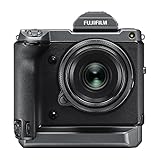
8. Fujifilm GFX 100 – The Original 102MP Workhorse
GFX 100 Medium Format Digital Camera
102MP BSI Sensor
Integrated Vertical Grip
16-Bit Output
Weather Sealed 95 Points
5.5-Stop IBIS
Pros
- 102MP back-illuminated sensor with exceptional color fidelity
- Integrated vertical grip for seamless orientation switching
- Weather-sealed magnesium alloy body with 95 sealing points
- 16-bit image output with rich shadow detail
- 5.5 stops of in-body image stabilization
- 14 stops of dynamic range
- 8fps continuous shooting
Cons
- Heavier than other GFX models at 1400 grams
- Limited to UHS-II card speed
- Integrated grip may not suit all shooters
The Fujifilm GFX 100 was the first camera to put 102MP medium format resolution into a body that working professionals could afford, and it remains a serious tool for studio photography. The integrated vertical grip sets it apart from every other camera on this list, making it the natural choice for photographers who regularly shoot both horizontal and vertical compositions during sessions.
The 16-bit image output is a feature that genuinely matters for studio work. It provides 281 trillion possible colors compared to 68 billion with 14-bit capture, resulting in noticeably smoother tonal transitions in gradients and skies. For product photography where color accuracy is critical, this level of color depth reduces banding artifacts that can appear in smooth surfaces.

The weather-sealed body features 95 sealing points, making it the most rugged camera in this lineup. The magnesium alloy construction feels built for professional abuse, and the integrated grip means you never have to worry about a battery grip coming loose during an important shoot. The dual UHS-II card slots provide redundant recording for peace of mind.
At 1400 grams, this is a heavy camera. The integrated grip means there is no option to remove it for a lighter setup. The X-Processor 4 is the same generation as the GFX 100S, so while capable, it does not benefit from the newer X-Processor 5 found in the GFX100 II and GFX100S II. However, the 14 stops of dynamic range and 8fps shooting keep it competitive.

16-Bit Color Depth in Practice
For studios producing fine art reproductions, high-end product catalogs, or archival work, the 16-bit output provides measurable quality benefits. The extra color data gives you more latitude for color grading and correction without introducing artifacts or banding.
Integrated Grip Ergonomics
The built-in vertical grip transforms the shooting experience for portrait-orientation studio work. Controls are duplicated on the grip, meaning you get the same button layout whether shooting horizontally or vertically. For fashion and portrait studios, this alone can justify choosing this camera over other options.
9. Fujifilm GFX50S II – Refined Entry-Level Medium Format
Fujifilm GFX50S II Body
51.4MP Large Format Sensor
X-Processor 4
6.5-Stop IBIS
19 Film Simulations
900g Compact Body
Pros
- 51.4MP large format sensor as accessible gateway
- Compact 900g body similar to full-frame cameras
- Redesigned IBIS 20 percent smaller and 10 percent lighter
- 6.5 stops of 5-axis stabilization
- 250fps sensor readout for improved AF
- 19 Film Simulation modes
- Perfect 5.0 customer rating
Cons
- Only 6 customer reviews so far
- 1080p video only not 4K
- Limited continuous shooting rate
The Fujifilm GFX50S II refines the original GFX 50S formula with meaningful improvements that make it a better studio tool. The redesigned IBIS system is 20 percent smaller and 10 percent lighter than the GFX 100’s system, delivering 6.5 stops of correction in a body that weighs just 900 grams. For photographers who want medium format quality without the bulk, this is the answer.
The 250fps sensor readout represents a significant improvement over the original GFX 50S’s 130fps, resulting in faster autofocus performance and better live view responsiveness. The X-Processor 4 handles image processing efficiently, and the 19 Film Simulation modes give you Fujifilm’s signature color science straight out of camera.
A perfect 5.0-star rating across all 6 reviews tells you something important: the photographers who have bought this camera are completely satisfied. The feedback consistently highlights the value proposition of getting into large format photography with professional-grade features at an accessible price point.
The 1080p video limitation is the main drawback compared to other GFX models that offer 4K. For pure still photography studios, this will not matter at all. The limited review count means we have less data on long-term reliability, but the positive early signals are encouraging.
Ideal First Medium Format Camera
If you are transitioning from full-frame and want to experience medium format without a massive investment, the GFX50S II is the smartest choice. The G mount system means your lens investment carries forward to any future GFX body you upgrade to.
IBIS System Advantages
The 6.5 stops of stabilization is remarkable for a 51.4MP camera in this price range. It allows you to shoot handheld at shutter speeds that would normally require a tripod, which adds flexibility for location studio work and environmental portraiture.
Buying Guide: How to Choose a Medium Format Camera for Studio Work?
Choosing among the best medium format cameras for studio work requires understanding your specific needs. Here are the key factors our team evaluates when recommending cameras to studio photographers.
Sensor Resolution: 51MP vs 100MP
The jump from 51 megapixels to 100 megapixels is significant but not always necessary. If your final output is web resolution or prints under 24×36 inches, 51MP gives you more than enough detail. The GFX 50S and GFX50S II deliver outstanding image quality that satisfies most commercial studio requirements.
However, if you shoot fine art reproductions, large-format product catalogs, or billboards, 100MP sensors provide the resolving power you need. The extra resolution also gives you cropping flexibility, which is valuable when you need to deliver multiple compositions from a single setup. Our team generally recommends 100MP for studios where image quality is the primary selling point.
Dynamic Range and Color Depth
Dynamic range is where medium format truly separates itself from full-frame. The Hasselblad X2D 100C leads with 15 stops, while the Fujifilm GFX 100 offers 14 stops with 16-bit color output. This headroom lets you recover detail from deep shadows and bright highlights that would be lost on smaller sensors.
Color depth matters most for product and beauty photography. The 16-bit output of the Fujifilm GFX 100 produces smoother tonal transitions than 14-bit alternatives, reducing banding in smooth surfaces like skin, fabric, and graduated backgrounds. Hasselblad’s Natural Color Solution provides arguably the most accurate skin tones straight out of camera.
Tethering and Workflow Compatibility
Studio work depends on tethering, and your camera needs to integrate smoothly with your chosen software. Capture One is the industry standard for medium format tethering, and both Fujifilm and Hasselblad cameras work well with it. The Fujifilm GFX100 II adds Frame.io Camera to Cloud integration, which allows real-time image delivery to clients and team members.
Connection reliability matters as much as software compatibility. USB-C tethering is standard across all cameras on this list, but cable quality and connection stability vary. Several photographers on forums report that CFexpress card-equipped cameras like the Hasselblad X2D 100C offer faster tethered transfer rates when using card-to-computer workflows.
Lens Ecosystem and Investment Protection
Your lens investment often outlasts your camera body, so the available lens ecosystem should factor heavily into your decision. Fujifilm’s G mount has the largest native medium format lens lineup, with options ranging from 23mm wide-angle to 250mm telephoto. Third-party options from companies like Sigma are also expanding.
Hasselblad’s XCD lens system is smaller but includes exceptional optics with leaf shutters that enable flash sync at all speeds. The V system compatibility of the 907X & CFV 100C opens up decades of classic Hasselblad glass. For studios with existing investments in either system, staying within the ecosystem usually makes the most financial sense.
Weight and Ergonomics for Long Sessions
Studio sessions can last 8 to 10 hours, and camera weight directly impacts fatigue and shooting consistency. The GFX100RF at 735 grams and the GFX 100S at 900 grams are the lightest options. The GFX 100 with its integrated grip weighs 1400 grams, which becomes noticeable during extended portrait sessions.
Ergonomic considerations include grip comfort, control layout, and viewfinder quality. The GFX100S II’s 5.76M dot EVF is among the best available, while the GFX 100’s integrated vertical grip provides unmatched control duplication for portrait-orientation work. Test handling a camera before committing if possible.
Used Market and Value Considerations
The used medium format market offers substantial savings as early adopters upgrade to newer models. Forum discussions on Reddit and Fred Miranda consistently mention that used GFX 100S bodies and GFX 50S cameras represent excellent value. Always check shutter actuations and overall condition when buying used equipment.
From a business perspective, consider the ROI of medium format for your studio. Many photographers report that clients notice the difference in image quality, leading to fewer revision requests and higher perceived value. If medium format files help you command higher rates or win better clients, the investment pays for itself over time.
FAQs
What is the best medium format camera for studio photography?
The Fujifilm GFX100 II is our top pick for studio photography thanks to its 102MP sensor, 8fps shooting speed, 8-stop IBIS, and Frame.io cloud integration. For studios prioritizing color accuracy, the Hasselblad X2D 100C with its 15-stop dynamic range and Natural Color Solution is equally compelling.
Is medium format worth it for studio work?
Yes, medium format is worth it for professional studio work. The larger sensor delivers better dynamic range, smoother tonal transitions, and higher resolution that clients notice immediately. Many studio photographers report fewer revision requests and the ability to charge premium rates after switching to medium format.
What medium format camera do professionals use in studios?
Professional studio photographers commonly use the Fujifilm GFX 100S, GFX100 II, and Hasselblad X2D 100C. The GFX 100S is particularly popular due to its compact size and 102MP resolution at a competitive price point, while Hasselblad cameras are favored for their color science and lens quality.
How much does a medium format camera for studio work cost?
Medium format cameras for studio work range from around $3,700 for the Fujifilm GFX 100S to over $8,000 for the flagship GFX100 II. The Hasselblad X2D 100C and 907X CFV 100C sit in the $7,300 to $7,400 range, while entry options like the GFX 50S provide medium format quality at lower price points.
What is a good medium format camera for beginners?
The Fujifilm GFX50S II is the best medium format camera for beginners, offering 51.4MP resolution, 6.5 stops of IBIS, and 19 Film Simulation modes at an accessible price. Its compact 900g body and intuitive controls make it approachable for photographers transitioning from full-frame systems.
Fujifilm GFX vs Hasselblad for studio photography?
Fujifilm GFX cameras offer larger lens selections, faster autofocus, and better value. Hasselblad cameras provide superior color science, leaf shutter lenses for full-speed flash sync, and modular designs. For most studio photographers, Fujifilm GFX delivers 90 percent of the image quality at a lower total system cost, while Hasselblad appeals to photographers who prioritize color accuracy above all else.
Final Thoughts on the Best Medium Format Cameras for Studio Work
Finding the best medium format cameras for studio work in 2026 comes down to matching your budget and workflow needs with the right system. Our team’s top recommendation is the Fujifilm GFX100 II for its combination of 102MP resolution, fast shooting, and cloud-connected workflow. For value-conscious studios, the Fujifilm GFX 100S delivers the same resolution at roughly half the cost with 50 customer reviews backing its reliability.
If Hasselblad’s color science speaks to your aesthetic, the X2D 100C is a remarkable tool with 15 stops of dynamic range and 1TB of internal storage. And for photographers just entering medium format, the GFX50S II and GFX 50S provide accessible entry points that do not compromise on the core medium format advantage: bigger sensors producing better files.
The bottom line is that any camera on this list will elevate your studio work beyond what full-frame can deliver. The question is which system fits your shooting style, budget, and long-term creative vision. Consider renting before buying, invest in quality lenses, and let the image quality speak for itself when you deliver those first medium format files to your clients.