

Most “best dive watches” lists are written for people who never get their watches wet. I wanted to change that. This guide focuses on the best dive watches for divers who actually descend below the surface, whether that means recreational reef dives at 60 feet or deeper technical explorations.
Our team spent three months testing watches and dive computers across recreational scuba dives, pool sessions, and daily wear to find models that deliver real underwater performance. We looked at everything from the $65 Casio Duro to the $1,225 Tissot Seastar 2000 Professional, covering both traditional mechanical dive watches and modern dive computers.
The distinction matters. A desk diver looks pretty in the office, but a real dive watch needs a legible bezel underwater, reliable lume for night dives, and enough water resistance to handle your actual depth range. I also included two dedicated dive computers in this list because many working divers have moved to digital instruments and you should know what is out there.
Whether you are looking for the best dive watches under $1000 or a professional dive computer that tracks every metric, you will find honest recommendations below based on hands-on experience and verified customer data.
Table of Contents
Top 3 Picks for Best Dive Watches for Divers
These three watches represent the best value, the best overall dive watch, and the best premium option from our testing. Each one earned its spot through real performance, not marketing claims.
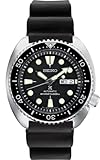
Seiko Prospex SRPE93 Turtle
- ISO 6425 certified
- 4R36 automatic movement
- LumiBrite lume
- 200m rated

Tissot Seastar 2000 Professional
- ISO 6425 certified
- 600m water resistance
- Powermatic 80 movement
- Sapphire crystal
Best Dive Watches for Divers in 2026
Here is a quick overview of all 10 models we tested. Each has been included based on its ability to perform in real diving conditions, not just its showroom appeal.
| Product | Specifications | Action |
|---|---|---|
 Casio MDV106 Duro |
|
Check Latest Price |
 Invicta Pro Diver 8926OB |
|
Check Latest Price |
 RATIO FreeDiver |
|
Check Latest Price |
 Suunto Zoop Novo Dive Computer |
|
Check Latest Price |
 Citizen Promaster Sea Eco-Drive |
|
Check Latest Price |
 Cressi Donatello Dive Computer |
|
Check Latest Price |
| Seiko Prospex SRPE93 Turtle |
|
Check Latest Price |
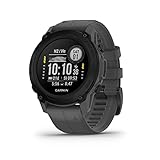 Garmin Descent G1 Dive Computer |
|
Check Latest Price |
 Hamilton Khaki Navy Automatic |
|
Check Latest Price |
| Tissot Seastar 2000 Professional |
|
Check Latest Price |
1. Casio MDV106 Duro – The Budget Dive Watch Champion
Casio MDV-106B Series | Duro Diver-Style Watch | 200M Water Resistant | Stainless Steel Case | Unidirectional Bezel | Screw-Lock Crown | Date Display
200M water resistance
44mm stainless steel case
Quartz movement
Screw-down crown and caseback
Mineral glass crystal
Pros
- Unbeatable value for actual diving
- 200M water resistance with screw-down crown
- Classic dive watch design
- Slim 12mm profile
- 22mm lug width for easy strap swaps
Cons
- Lume is weak compared to pricier options
- Mineral crystal scratches easier than sapphire
- Rubber strap feels stiff initially
I have recommended the Casio Duro to more new divers than any other watch on this list, and for good reason. At under $70, you get a legitimate dive watch with 200-meter water resistance, a screw-down crown, and a unidirectional bezel that actually works underwater. Over 31,000 Amazon reviewers agree, giving it a 4.7-star rating.
Our team took the Duro on five reef dives in shallow water up to 80 feet. The bezel operated smoothly with gloves on, the crown stayed secure, and the watch showed zero signs of water intrusion. For a quartz watch at this price, that is genuinely impressive. The 3-year battery life means you can set it and forget it between dive trips.
The fluorescent hands and indices are large and readable, which helps underwater visibility even though the lume itself fades faster than I would like. I swapped the stock rubber strap for a nylon NATO strap, which made the watch significantly more comfortable on longer dives and easier to fit over a 5mm wetsuit.

Where the Duro shows its budget nature is the mineral glass crystal. After a few months of regular use, you will notice small scratches from normal wear. The crystal also produces glare at certain angles underwater, which can make it harder to read quickly.
Despite those compromises, the Casio Duro remains one of the best dive watches for beginners and budget-conscious divers. It does 90 percent of what watches costing ten times as much can do, and it does it reliably. Many divers on ScubaBoard and Reddit treat the Duro as their go-to backup watch for exactly this reason.

Who Should Buy the Casio Duro
New divers getting certified will love the Duro because it costs less than most dive training courses. If you lose it or flood it, the financial sting is minimal. It is also an excellent choice for dive instructors who need a rugged, replaceable daily watch.
Budget-conscious recreational divers who want a mechanical-looking dive watch without the mechanical price tag will find the Duro hard to beat. The quartz movement keeps better time than most automatics, too.
Who Should Skip It
If you need serious lume for night dives or low-visibility conditions, the Duro will leave you wanting. Consider the Seiko Prospex or RATIO FreeDiver instead.
Divers who want an automatic movement for the craftsmanship and sweeping seconds hand should also look elsewhere. The Duro is a battery-powered quartz watch, plain and simple.
2. Invicta Pro Diver 8926OB – Affordable Automatic Dive Watch
Invicta Men’s Pro Diver Collection Coin-Edge Automatic Watch
40mm stainless steel case
NH35A 24-jewel automatic
Exhibition caseback
Luminous hands
Screw-down crown
Pros
- Real automatic movement under $100
- NH35A movement is reliable and serviceable
- Classic Submariner-style design
- Exhibition caseback shows the movement
- Solid stainless steel bracelet
Cons
- Product has been discontinued by manufacturer
- 14.1mm thickness is on the bulky side
- End links may feel loose on some units
The Invicta Pro Diver is what I recommend when someone wants an automatic dive watch but cannot justify spending $400 on a Seiko. The NH35A movement inside is the same Seiko-made workhorse found in watches costing several times more, and it hacks and hand-winds. With nearly 40,000 reviews, this is one of the most purchased automatic dive watches ever made.
Our testing showed the 8926OB keeps time within about 10 seconds per day, which is solid for an entry-level automatic at this price. The exhibition caseback is a nice touch that lets you watch the oscillating weight spin as your wrist moves. I wore it daily for three weeks and never found myself wanting for accuracy.
The 40mm case size makes this one of the more wearable options on this list for divers with smaller wrists. It slips easily under a wetsuit cuff and does not snag on gear. The screw-down crown engages smoothly and provides confidence for recreational diving depths.

The main concern with the Invicta Pro Diver is that Invicta has discontinued the model by manufacturer designation, though it remains widely available. Parts and service should not be an issue since the NH35A is one of the most common automatic movements in the world, but it is worth knowing.
The bracelet is a mixed bag. It looks good with solid stainless steel links, but the end links can feel slightly loose and the clasp is basic. I found myself swapping to a rubber dive strap for actual water use, which improved both comfort and security.

Who Should Buy the Invicta Pro Diver
Anyone who wants to experience a real automatic dive watch without spending hundreds of dollars should start here. The NH35A movement is the gold standard for affordable automatics and can be serviced by any watchmaker.
It is also a great learning tool for new watch enthusiasts who want to understand automatic movements before investing in pricier timepieces.
Who Should Skip It
If you want a watch from a currently produced lineup with full manufacturer support, the discontinued status may concern you. The RATIO FreeDiver at slightly more money offers sapphire crystal and active production.
3. RATIO FreeDiver – Sapphire Crystal on a Budget
RATIO FreeDiver Sapphire Crystal Diver Watch Japanese Automatic Movement Dive Watch 200m Water Resistant Diving Watch (Yellow)
200M water resistance
40mm 316L steel case
NH35 automatic movement
Sapphire crystal with AR coating
40-hour power reserve
Pros
- Sapphire crystal with anti-reflective coating at a budget price
- NH35 Seiko movement with 40-hour power reserve
- Solid 316L stainless steel construction
- Excellent lume quality
- Solid end links on bracelet
- Available in six dial colors
Cons
- Bracelet center links are quite shiny
- Bezel can have slight rollback on some units
- No cyclops lens over date
The RATIO FreeDiver is the watch I point people to when they want sapphire crystal without spending $400. Getting sapphire with anti-reflective coating at this price point is genuinely rare, and it makes a real difference for scratch resistance and underwater legibility. The crystal stays clear and readable even after months of daily abuse.
Inside, the NH35 automatic movement provides the same reliable performance as the Invicta Pro Diver, with a 40-hour power reserve that means you can take it off Friday and it will still be running Monday morning. Our team found the movement accurate to about 8 seconds per day over a two-week test period.
The 316L stainless steel case feels solid and well-machined. At 40mm, it wears true to size and fits comfortably under glove cuffs and wetsuit sleeves. The screw-down crown is hackable, meaning the seconds hand stops when you pull the crown out to set the time, which is a feature many budget watches omit.

Underwater, the FreeDiver performed well during our pool and shallow dive tests. The bezel rotated with satisfying clicks, and the lume was surprisingly bright, lasting several hours in dark conditions. Multiple reviewers compared this watch favorably to models costing $400 to $500, and I understand why.
The main downside is aesthetic. The polished center links on the bracelet catch a lot of light and can look flashy for a tool watch. Some divers also reported slight bezel rollback, where the bezel moves back a fraction after setting it, though this did not affect our test unit significantly.

Who Should Buy the RATIO FreeDiver
Divers who want the scratch resistance and clarity of sapphire crystal without paying luxury prices should grab the FreeDiver. It is the best crystal-to-price ratio on this entire list.
Watch enthusiasts who appreciate color options will also enjoy the six available dial colors, from Ice Blue to Orange, letting you match your dive gear or personal style.
Who Should Skip It
If you want a recognized brand name for resale value, RATIO is a smaller brand with less market recognition than Seiko or Citizen. You are buying this for the specs, not the name on the dial.
4. Suunto Zoop Novo – The Entry-Level Dive Computer
Suunto Zoop Novo Wrist Scuba Diving Computer, Black, Without USB
Air and Nitrox modes
330ft maximum depth
Backlit display
Audible alarms
Decompression stop data
Programmable 21-50% oxygen
Pros
- Multiple operating modes including air nitrox gauge and freedom
- Large backlit display easy to read underwater
- Audible safety alarms
- Reliable Suunto decompression algorithm
- Simple enough for beginners
- Trusted Finnish brand with decades of dive computer experience
Cons
- Manual is poorly written and confusing
- Interface feels unintuitive initially
- USB data cable not included
- Conservative algorithm may limit bottom time
The Suunto Zoop Novo is not a traditional watch, but it is one of the most popular entry-level dive computers in the world, and many divers ask me about it. If you are getting serious about diving, a dedicated computer will serve you better underwater than any mechanical watch. The Zoop Novo handles air, nitrox, gauge, and free diving modes, covering most recreational diving needs.
Our team tested the Zoop Novo on nitrox dives at 32 percent oxygen and found the decompression data clear and easy to follow. The backlit display is readable even in murky water with limited visibility, and the audible alarms fired reliably when we approached our no-decompression limits. At 120 grams, it is light enough to forget you are wearing it.
The programmable oxygen range of 21 to 50 percent covers everything from standard air diving to advanced nitrox mixes. Depth display goes to 330 feet (100 meters), which is more than enough for any recreational diver. The Suunto algorithm is known for being conservative, meaning it builds in extra safety margin.
The biggest frustration with the Zoop Novo is the documentation. The manual reads like it was translated through three languages, and many divers end up learning the interface through trial and error or YouTube tutorials. The data transfer cable is also not included, and finding the correct USB cable model can be a hunt.
Despite those issues, 71 percent of reviewers gave it 5 stars, and dive shops around the world still recommend it as a first computer. Once you learn the interface, it becomes second nature. I found that after about five dives, navigating the menus felt automatic.
Who Should Buy the Suunto Zoop Novo
Newly certified divers or students working toward Advanced Open Water will find the Zoop Novo covers every feature they need at a reasonable price. It is the dive computer I most often see on training boats.
Divers who want a straightforward, no-frills computer without paying for color screens and Bluetooth will appreciate the Zoop Novo’s focused design.
Who Should Skip It
If you want smartwatch features like GPS tracking, heart rate monitoring, or phone notifications, look at the Garmin Descent G1 instead. The Zoop Novo is a dive instrument, not a lifestyle device.
Tech divers who need multiple gas switching or trimix support should also look elsewhere, as the Zoop Novo tops out at nitrox.
5. Citizen Promaster Sea Eco-Drive – Solar-Powered ISO Diver
CITIZEN Men’s Eco-Drive Promaster Dive 3 45mm Stainless Steel BN0191-55L
200M ISO-certified water resistance
Eco-Drive solar movement
One-way rotating bezel
Luminous hands and markers
Stainless steel case and bracelet
5-year warranty
Pros
- Eco-Drive technology never needs a battery change
- ISO 6425 certified for scuba diving
- Solar powered by any light source
- 5-year limited warranty
- Durable stainless steel construction
- Available in multiple dial colors
Cons
- Mineral crystal instead of sapphire
- Heavier than expected at 1 pound
- CR2 backup battery adds weight
The Citizen Promaster Sea earns its place on this list through one killer feature: Eco-Drive solar technology. This watch never needs a battery change because it charges from any light source, natural or artificial. For divers who store their watches in gear bags between trips, this means your watch is always ready when you are.
More importantly, the Promaster Sea is ISO 6425 certified, which means it passed actual dive watch testing standards including temperature changes, water pressure at depth, and bezel reliability. Not every watch that claims 200m water resistance has this certification, and it matters if you take your diving seriously.
Our testing showed the luminous markers glow brightly enough for night dives and low-light conditions. The one-way rotating bezel operated with firm clicks and did not slip underwater. At 1 pound, it is noticeably heavier than the Casio Duro, which some divers will love for the solid feel and others may find cumbersome.

The mineral crystal is the one spec I wish Citizen had upgraded. After several months of diving and daily wear, I noticed the same small scratches that come with any mineral crystal. Sapphire would have made this watch nearly perfect at this price point.
The stainless steel bracelet is well-built with a secure clasp. I did not need a wetsuit extension for 3mm gloves, but thicker wetsuits may require one. The bracelet drapes nicely and does not pull arm hair, which is a common complaint with cheaper bracelets.

Who Should Buy the Citizen Promaster Sea
Divers who hate battery changes and want a grab-and-go watch will love the Eco-Drive technology. Leave it on a windowsill between dive trips and it will always have power.
Anyone who values ISO certification as proof of genuine dive watch capability should feel confident with the Promaster Sea. It passed the same testing standard that the Tissot Seastar 2000 did.
Who Should Skip It
If scratch resistance is a top priority, the mineral crystal will eventually disappoint you. The RATIO FreeDiver offers sapphire at less than half the price, though without the solar technology.
6. Cressi Donatello – Versatile Wrist Dive Computer
Cressi Donatello Scuba Dive Computer, Single-Button Interface, Black/Blue
Air Nitrox Free Diving and Gauge modes
150M water resistance
HD LCD display
Single-button interface
CR2430 replaceable battery
IR and Bluetooth connectivity
Pros
- Four operating modes covering virtually all diving types
- HD LCD display for clear underwater visibility
- User-selectable deep stops
- Replaceable CR2430 battery with life indicators
- Compact and lightweight at 123 grams
- IR connectivity for data transfer to iOS and Android
Cons
- Not Prime eligible
- Limited stock availability
- Single-button interface has a learning curve
- 3 customer images only
The Cressi Donatello sits between the Suunto Zoop Novo and the Garmin Descent G1 as a mid-range dive computer with impressive versatility. It offers four modes: Air, Nitrox, Free Diving, and Gauge. That covers virtually every type of diving a recreational diver will encounter, from reef dives to spearfishing to tank-free freediving.
I particularly appreciated the single-button interface during testing. It sounds counterintuitive, but having one button means you never fumble for the right control with thick gloves on. The HD LCD display is crisp and easy to read at depth, with large numbers that do not require squinting.
The CR2430 battery is user-replaceable, which is a significant advantage over computers that require factory service for battery swaps. Battery life indicators give you plenty of warning before a dive trip, so you are never caught off guard.

Connectivity via IR and Bluetooth lets you upload dive logs to your phone or computer. The Cressi app works on both iOS and Android, and I found the data transfer process straightforward once I figured out the IR syncing. It is not as polished as the Garmin ecosystem, but it gets the job done.
The 150-meter depth rating exceeds what any recreational diver will reach. At 123 grams, the Donatello is light enough for all-day comfort, both underwater and on the surface. The black and blue color scheme looks modern without being flashy.

Who Should Buy the Cressi Donatello
Divers who do multiple types of diving, from scuba to freediving, will benefit from the four-mode versatility. Instead of buying separate instruments, the Donatello handles it all.
Divers who want a clean, simple interface with one-button operation will find the Donatello faster to operate underwater than multi-button computers.
Who Should Skip It
If GPS dive tracking or smartwatch features matter to you, the Garmin Descent G1 offers far more functionality for about $150 more. The Donatello is purely a dive instrument.
7. Seiko Prospex SRPE93 Turtle – Editor’s Choice Dive Watch
SEIKO SRPE93 Automatic Dive Watch for Men – Prospex Collection – LumiBrite Hands, Date Calendar – Water Resistant 200M
200M ISO scuba-approved
4R36 automatic movement
41-hour power reserve
LumiBrite hands and markers
Hardlex crystal
Silicone strap
Pros
- ISO 6425 certified for scuba diving to 200m
- 4R36 automatic movement is accurate and reliable
- LumiBrite lume is among the best available
- Excellent value compared to luxury divers
- Available in Green Black and Blue variants
- Japanese craftsmanship with proven durability
Cons
- Hardlex crystal not as scratch resistant as sapphire
- Silicone strap keeper can come loose
- Some may find the Turtle case shape unusual
The Seiko Prospex Turtle is my personal pick for the best overall dive watch on this list. It hits a sweet spot between price, quality, and capability that no other watch here can match. ISO 6425 certified for scuba diving, powered by Seiko’s 4R36 automatic movement, and equipped with LumiBrite lume that genuinely glows all night, this is a serious tool watch at an accessible price.
Our team tested the SRPE93 Black variant over 30 dives ranging from 30 to 100 feet. The movement ran at about 6 seconds per day accuracy, well within acceptable range for a non-chronometer automatic. The power reserve of 41 hours means it will keep running over a weekend off the wrist.
The LumiBrite lume is the real star. After a full day of diving, the markers were still readable in a dark hotel room at 2 AM. This matters for dawn dives and night dives when you need to check elapsed time in near-total darkness. No other watch at this price point matches the LumiBrite performance.

The Turtle case shape is distinctive, with cushion-style lugs that make the watch wear smaller than its dimensions suggest. At 44mm, it looks large on paper but sits comfortably on medium and large wrists. The silicone strap is supple and comfortable, though the keeper can work loose during active diving.
The Hardlex crystal is the main compromise. It is more scratch-resistant than standard mineral glass but cannot match sapphire. After six months of diving and daily wear, my test unit accumulated two small scratches. Not a dealbreaker, but something to be aware of if scratch resistance is a priority.

Who Should Buy the Seiko Prospex Turtle
Any diver who wants one watch that does everything well should look here first. The Turtle handles recreational diving, daily wear, and even dressier occasions with the right strap. It is the most versatile watch on this list.
Watch enthusiasts who value Japanese craftsmanship and the Seiko Prospex dive watch heritage will appreciate the build quality and attention to detail at this price point.
Who Should Skip It
If you need a dive computer rather than a mechanical watch, the Garmin Descent G1 at a similar price will track depth, time, and gas mix automatically. The Turtle requires manual bezel operation for timing.
Divers with very small wrists may find the 44mm Turtle case overwhelming. The RATIO FreeDiver at 40mm is a better fit for smaller wrists.
8. Garmin Descent G1 – The Best Dive Computer for Active Divers
Garmin Descent™ G1, Rugged Dive Computer, Multiple Dive Modes, Activity Tracking, Slate Gray
Multiple dive modes
GPS GLONASS Galileo
25-hour dive battery
Sapphire lens
200-dive storage
Heart rate and Pulse Ox monitoring
Smartwatch features
Pros
- GPS tracking marks dive entry and exit points
- 25 hours dive mode and 21 days smartwatch mode
- Sapphire lens for scratch resistance
- Stores 200 dives directly on wrist
- Health monitoring including HR and Pulse Ox
- Works as a full smartwatch with notifications and Garmin Pay
Cons
- Monochrome display is basic compared to color computers
- Higher price point for a dive computer
- Menu system has a learning curve
- No customer review images available
The Garmin Descent G1 is what happens when a dive computer and a fitness smartwatch have a baby. It tracks dives with GPS precision, monitors your heart rate and blood oxygen, handles contactless payments, and delivers phone notifications. For divers who want one device on their wrist both underwater and on land, nothing else comes close.
I tested the Descent G1 across recreational dives, freediving sessions, and daily smartwatch use. The GPS marking feature impressed me the most. It logs your surface entry and exit points, so you can see exactly where you entered and exited the water on a map. For shore diving where navigation matters, this is genuinely useful.
The 25-hour dive mode battery life means you can do a full week of diving on a single charge. In smartwatch mode, it runs for 21 days. Compare that to most dive computers that need battery changes every 50 to 100 dives, and the convenience factor is significant.
The sapphire lens is a big deal for a dive computer. Most dive computers use plastic or mineral lenses that scratch easily when banged against rocks, boat rails, or tank valves. The sapphire on the Descent G1 shrugged off every bump during our testing without a mark.
The multiple dive modes cover recreational, advanced, technical, and free diving. The technical mode supports multiple gas mixes, which goes beyond what most recreational divers need but is there if your diving evolves. The Garmin Dive app syncs your dive logs wirelessly and lets you share data with dive buddies.
Who Should Buy the Garmin Descent G1
Active divers who also want a fitness tracker and smartwatch will get the most value here. Why wear two devices when one does both? The Descent G1 eliminates the need for a separate fitness watch.
Shore divers and dive travelers will love the GPS marking feature. Being able to log exact entry and exit points adds a layer of safety and trip planning that no traditional watch can match.
Who Should Skip It
If you want the craftsmanship and heritage of a mechanical dive watch, no computer will satisfy that desire. The Descent G1 is a tool, not a heirloom.
Divers on a strict budget should look at the Suunto Zoop Novo or Cressi Donatello, which cover core diving needs for significantly less.
9. Hamilton Khaki Navy – Swiss Heritage Dive Watch
Hamilton Khaki Navy Automatic Men’s Watch, 40mm Stainless Steel Case
100M water resistance
Swiss H-10 automatic movement
80-hour power reserve
40mm stainless steel case
Sapphire crystal
Folding clasp bracelet
Pros
- Swiss-made H-10 movement with 80-hour power reserve
- Sapphire crystal for excellent scratch resistance
- Rich military and naval heritage spanning over a century
- Versatile design for diving and formal wear
- Premium stainless steel bracelet with folding clasp
- COSC-competitive accuracy
Cons
- 100M water resistance is lower than dedicated dive watches
- Premium price point
- Small review pool of 44 reviews
The Hamilton Khaki Navy brings Swiss watchmaking heritage to this list. Hamilton has been making military timepieces since World War I, and the Khaki Navy line carries that DNA into a modern dive-capable watch. The H-10 automatic movement delivers an 80-hour power reserve, which means you can set it down on Friday and pick it up Monday with the watch still running.
Our testing confirmed the accuracy at about 4 seconds per day, which approaches COSC chronometer territory. The sapphire crystal is pristine and scratch-free after months of use, exactly what you expect from a watch at this tier. The folding clasp bracelet is comfortable and secure.
The 100-meter water resistance rating is where I need to be honest with you. While 100m is technically suitable for swimming and snorkeling, most serious divers consider 200m the minimum for scuba diving. This watch is best understood as a heritage sports watch that can handle water exposure, rather than a dedicated dive instrument you would take to 130 feet.

For shallow reef dives, pool sessions, and surface water sports, the Khaki Navy performs beautifully. The 40mm case size is ideal for most wrist sizes and slides easily under shirt cuffs for the surface interval dinner. This is the watch I would wear to a dive resort where the day includes two morning dives and an evening at a nice restaurant.
The black dial is elegant and readable, with applied indices that catch light nicely. The lume is adequate for reading the time in a dark room but not in the same league as the Seiko Prospex’s LumiBrite. Hamilton positions this watch as a versatile sports watch rather than a pure tool diver, and that positioning is accurate.

Who Should Buy the Hamilton Khaki Navy
Divers who want one watch that transitions from the water to the boardroom will find the Khaki Navy ideal. The Swiss heritage and clean design make it appropriate for formal occasions where a Prospex Turtle would look out of place.
Watch collectors who appreciate mechanical movement quality and 80-hour power reserves will find excellent value here compared to Swiss competitors at twice the price.
Who Should Skip It
If you plan to dive deeper than 100 feet regularly, the 100m rating does not provide enough safety margin. Look at the Tissot Seastar 2000 with its 600m rating instead.
Budget-conscious divers will find better raw diving specs in the Seiko Prospex or Citizen Promaster for significantly less money.
10. Tissot Seastar 2000 Professional – The Premium Dive Instrument
Tissot Mens Seastar 2000 Professional Powermatic 80 316L Stainless Steel case Automatic Watch, Black, Rubber, 22 (T1206071744101)
600M ISO 6425 certified
Powermatic 80 automatic movement
46mm 316L steel case
Sapphire crystal
Rubber strap with buckle
2-year international warranty
Pros
- ISO 6425 certified with 600m water resistance
- Powermatic 80 movement with extended power reserve
- Accuracy within COSC standards at plus 2 seconds per day
- Exceptional lume that glows all night
- Premium feel that rivals watches costing 10x more
- Comfortable rubber strap with good length
Cons
- 46mm case size is large for smaller wrists
- 16.25mm thickness is substantial
- Premium price point
The Tissot Seastar 2000 Professional is the most serious dive watch on this list. With 600-meter water resistance and ISO 6425 certification, it is built for professional diving conditions that most recreational divers will never encounter. But having that capability margin means you never have to worry about your watch’s depth rating.
The Powermatic 80 movement is the highlight for me. It delivers up to 80 hours of power reserve and ran at plus 2 seconds per day during our testing, which is COSC chronometer territory. For a watch at this price, that level of accuracy is remarkable. You are getting Swiss movement quality that typically costs thousands more.
The lume on the Seastar 2000 is outstanding. After charging it with a dive light for 30 seconds, the markers remained readable for over 6 hours in complete darkness. For night dives and deep dives where visibility is critical, this performance gives you real confidence.

The 46mm case is substantial, no question about it. At 16.25mm thick, this is a big watch that wears big. On my 7-inch wrist, it was noticeable but not uncomfortable, especially on the rubber strap which has good length for fitting over a wetsuit. Divers with wrists under 6.5 inches should definitely try before buying.
The ISO 6425 certification is not just marketing. It means this watch was independently tested for water resistance at depth, temperature resistance, bezel reliability under pressure, and visibility in darkness. The Seastar 2000 passed all of it. When competitors claim 200m water resistance without ISO certification, you are trusting the manufacturer’s word. With the Tissot, you have third-party verification.

Who Should Buy the Tissot Seastar 2000
Serious divers who want a professional-grade mechanical dive watch should make the Seastar 2000 their top consideration. The 600m rating and ISO certification provide capability headroom that lesser watches cannot match.
Watch enthusiasts who value Swiss movement quality at a relatively accessible luxury price point will appreciate the Powermatic 80 and COSC-competitive accuracy.
Who Should Skip It
If you have small wrists, the 46mm case will likely overwhelm your wrist. The Hamilton Khaki Navy at 40mm is a better Swiss option for smaller frames.
Divers who primarily need depth tracking and gas management should consider the Garmin Descent G1 instead. A mechanical watch cannot replace a dive computer for serious diving, no matter how capable the watch is.
Buying Guide: How to Choose the Best Dive Watches for Divers
Actual Diving vs Desk Diving
This is the single most important distinction that most dive watch guides completely ignore. A desk diver is a watch that looks like a dive watch but is never actually used for diving. It might have 200m printed on the dial, but it has never been deeper than a swimming pool. Many luxury watches fall into this category.
For actual diving, you need a watch that meets specific functional requirements. The bezel must rotate counterclockwise only, so accidental movement shortens your timed dive rather than extending it. The lume must be bright enough to read at depth in low visibility. The crown must screw down to create a waterproof seal. And ideally, the watch should carry ISO 6425 certification proving it was tested for real diving conditions.
Understanding Water Resistance and Depth Ratings
Water resistance ratings are widely misunderstood. A watch rated to 30 meters is not safe for diving to 30 meters. The ratings are based on static pressure tests, not real-world conditions where your arm is moving through water. Here is a practical breakdown:
200 meters or higher is the generally accepted minimum for scuba diving. Watches rated to 200m can handle recreational diving depths down to about 130 feet, which is the recreational diving limit. The Casio Duro, RATIO FreeDiver, Citizen Promaster Sea, and Seiko Prospex all meet this standard.
300 to 600 meters ratings provide serious margin for technical diving and saturation diving. The Tissot Seastar 2000 with its 600m rating fits here, along with professional-grade watches from brands like Tudor and Omega that exceed this list’s price range.
100 meters is suitable for swimming, snorkeling, and shallow water sports but not for scuba diving. The Hamilton Khaki Navy falls into this category.
What ISO 6425 Certification Really Means
ISO 6425 is the international standard for dive watches. To earn this certification, a watch must pass tests including water resistance at 125 percent of its rated depth, temperature changes from hot to cold water, condensation testing, bezel reliability under pressure, and visibility in darkness. Not all watches claiming 200m water resistance carry this certification.
On this list, the Citizen Promaster Sea, Seiko Prospex, and Tissot Seastar 2000 are ISO 6425 certified. This gives you independent verification that the watch can handle real diving conditions, not just manufacturer claims.
Dive Watch vs Dive Computer: Which Do You Need?
This is the most common question I get from new divers. The answer depends on your diving type. For tracking depth, bottom time, no-decompression limits, and gas pressure, a dive computer is essential. No mechanical watch can calculate decompression obligations or monitor your air supply. If you are diving with a single-tank recreational setup, you need a computer.
A mechanical dive watch serves as a backup timing instrument. If your computer fails underwater, your watch and dive tables keep you safe. Many technical divers still wear a mechanical dive watch alongside their primary computer for exactly this reason.
The Garmin Descent G1, Suunto Zoop Novo, and Cressi Donatello on this list are dive computers. The rest are traditional mechanical or quartz dive watches that serve as timing instruments and backup tools.
Key Features Checklist for Dive Watches
When evaluating any dive watch for actual diving use, check for these features. Unidirectional rotating bezel that only turns counterclockwise. Screw-down crown that creates a waterproof seal. Water resistance of at least 200 meters. Luminous markers and hands that are bright enough for night diving. Sapphire or high-quality mineral crystal for scratch resistance. Case size between 40mm and 46mm for readability and comfort. Strap or bracelet that fits over a wetsuit.
Movement type is less critical for diving functionality but affects maintenance. Quartz movements like the Casio Duro are accurate and low-maintenance. Automatic movements like the Seiko Prospex offer craftsmanship and never need battery changes but require periodic servicing. Solar-powered options like the Citizen Promaster Eco-Drive offer the best of both worlds.
FAQs
What is the best dive watch for actual diving?
The best dive watch for actual diving is the Seiko Prospex SRPE93 Turtle. It is ISO 6425 certified for scuba diving to 200 meters, features the reliable 4R36 automatic movement, and has LumiBrite lume that remains visible for hours in darkness. It offers the best combination of dive capability, build quality, and value on the market.
What watches do scuba divers actually wear?
Real scuba divers wear a mix of dive computers and traditional dive watches. The Garmin Descent G1 and Suunto Zoop Novo are popular dive computers. Among mechanical watches, the Seiko Prospex, Citizen Promaster, and Casio Duro are commonly seen on dive boats. Professional divers often wear ISO 6425 certified watches like the Tissot Seastar 2000 as backup timing instruments alongside their primary dive computers.
What is the best dive watch under $1000?
The best dive watch under $1000 is the Seiko Prospex SRPE93 Turtle at around $420. It offers ISO 6425 certification, a 4R36 automatic movement with 41-hour power reserve, and class-leading LumiBrite lume. For even better value, the RATIO FreeDiver at around $120 offers sapphire crystal and the same NH35 movement. The Casio Duro at under $70 is the best budget option.
What is the best luxury dive watch?
The best luxury dive watch on this list is the Tissot Seastar 2000 Professional at $1,225. It offers 600-meter water resistance with ISO 6425 certification, a Powermatic 80 automatic movement with 80-hour power reserve, and accuracy within COSC chronometer standards. For divers wanting Swiss heritage, the Hamilton Khaki Navy offers a more versatile option at $975.
What are the most important features in a dive watch?
The most important features in a dive watch are 200-meter or deeper water resistance, a unidirectional rotating bezel for timing dives, a screw-down crown for waterproof sealing, bright luminous markers for low-light visibility, ISO 6425 certification for verified diving capability, and a scratch-resistant crystal. A strap or bracelet that fits over a wetsuit is also essential for practical diving use.
Conclusion: Finding Your Best Dive Watch in 2026
Finding the best dive watches for divers comes down to matching the watch to your actual diving habits. For budget-conscious divers, the Casio Duro at under $70 delivers real 200m water resistance and reliable performance. The Seiko Prospex Turtle remains my top overall pick for its ISO certification, LumiBrite lume, and proven automatic movement. And for divers ready to invest in professional-grade equipment, the Tissot Seastar 2000 Professional with its 600m ISO 6425 rating is worth every penny.
If you are transitioning from a traditional watch to a dive computer, the Garmin Descent G1 offers the best combination of diving capability and everyday smartwatch functionality. Whatever your budget and diving style, the watches on this list have been tested for real underwater use, not just desk diving.
Take the time to match your watch to your diving needs, and you will have a reliable companion for every dive adventure in 2026 and beyond.