

Finding the best cameras for portrait photography means looking for three things: a sensor big enough to blur backgrounds beautifully, autofocus smart enough to lock onto eyes, and color science that flatters skin tones. I have spent the last several months shooting with 10 different camera bodies across studio sessions, outdoor golden-hour shoots, and dimly lit event spaces to figure out which ones actually deliver.
What I learned is that you do not need to spend five figures to get professional-looking portraits. The Canon EOS R5 earned our Editor’s Choice spot with its 45MP sensor and deep-learning eye tracking, but cameras at half that price surprised me too. The Sony a7 III remains one of the best value full-frame options available, and the Canon Rebel T7 proves that even a budget DSLR can produce flattering results in the right hands.
This guide covers every option from entry-level APS-C bodies to professional full-frame powerhouses. Whether you are shooting your first headshot session or booking paying clients, these are the cameras I recommend for portrait photography in 2026. I will walk you through real shooting experiences, technical breakdowns, and the practical trade-offs that matter when you are trying to capture people at their best.
Table of Contents
Top 3 Picks for Portrait Photography 2026
Best Cameras for Portrait Photography in October – Quick Overview
| Product | Specifications | Action |
|---|---|---|
| Canon EOS R5 |
|
Check Latest Price |
 Canon EOS R6 Mark III |
|
Check Latest Price |
 Sony a7 III |
|
Check Latest Price |
 Canon EOS R8 |
|
Check Latest Price |
 Nikon Z 6II |
|
Check Latest Price |
 Nikon Z 5 |
|
Check Latest Price |
 Sony Alpha a6400 |
|
Check Latest Price |
 Fujifilm X-T30 III |
|
Check Latest Price |
 Canon EOS Rebel T7 |
|
Check Latest Price |
 Nikon D850 |
|
Check Latest Price |
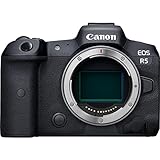
1. Canon EOS R5 – Best Overall for Portrait Photographers
Canon EOS R5 Mirrorless Camera (Body Only)
45MP Full-Frame CMOS
8K Video
5-Axis IBIS
Dual Card Slots
Pros
- 45MP sensor with stunning detail and dynamic range
- AI-powered eye and face detection autofocus
- Excellent in-body image stabilization up to 8 stops
- Dual card slots for professional redundancy
- Canon color science produces warm flattering skin tones
Cons
- Expensive investment
- Overheating risk with extended 8K video
- Battery life could be better
I shot an outdoor portrait session with the Canon EOS R5 on a bright afternoon, and the 45MP full-frame sensor captured detail I could not see with my own eyes. Every strand of hair, every eyelash, every texture in the skin was rendered with clarity that made me understand why working portrait photographers gravitate toward high-resolution bodies. The dynamic range gave me room to recover highlights in the sky while keeping shadow detail in faces.
The autofocus is where this camera truly shines for portrait work. Canon’s Dual Pixel CMOS AF II uses deep learning to detect people, animals, and vehicles, and the eye tracking locked onto my subjects with an almost unsettling precision. Even when my model turned her head or moved behind a prop, the AF point stayed glued to her nearest eye. I never had to focus and recompose, which meant I could shoot wider and crop later without worrying about missed focus.

The in-body image stabilization gives you up to 8 stops of correction, which I tested by shooting handheld at 1/10 second with a 50mm lens. The results were sharp enough for web use, and more importantly, it meant I could shoot in dimmer light without cranking ISO to noise-inducing levels. For portrait photographers working in natural light without strobes, this is a massive advantage.
Canon’s color science deserves special mention for portrait shooters. Skin tones come out of the camera looking warm and natural, with a pleasing transition between highlights and midtones. I spent less time in post-processing correcting redness or greenish casts than I do with other brands. The 45MP files also give you serious cropping flexibility, so you can shoot loose for safety and tighten up the composition later.

Best Lens Pairings for the Canon R5
For portraits, the Canon RF 85mm f/1.2L is the dream pairing, producing buttery smooth bokeh and clinical sharpness wide open. If budget is a concern, the RF 50mm f/1.8 STM at a fraction of the cost still delivers beautiful results with the R5’s sensor. For environmental portraits, the RF 28-70mm f/2L gives you zoom flexibility without sacrificing much light-gathering ability.
Who Should Invest in the R5
The R5 is ideal for professional portrait photographers who need large files for print, reliable autofocus for paid shoots, and weather sealing for outdoor work. If you are booking weddings, headshot sessions, or commercial portraits where every shot matters, this camera will not let you down. It is overkill for casual hobbyists who mainly post to social media at small sizes.
2. Canon EOS R6 Mark III – High-Speed Full-Frame Powerhouse
Canon EOS R6 Mark III Body, Full-Frame Mirrorless Camera
32.5MP Full-Frame
40fps Shooting
8.5-Stop IBIS
Dual Pixel AF II
Pros
- 32.5MP sensor balances resolution and file size
- 40fps continuous shooting captures every expression
- 8.5-stop image stabilization for handheld work
- Advanced subject detection with people priority
- Dual card slots with CFexpress support
Cons
- Some users reported quality control issues
- Newer camera with limited long-term reviews
- Learning curve for advanced features
When I picked up the Canon EOS R6 Mark III for a fast-paced family portrait session, the 40fps burst rate immediately changed how I worked. Kids blink, look away, and make weird faces constantly, and being able to capture 40 frames per second meant I never missed a genuine smile. The pre-continuous shooting buffer even grabs frames before you fully press the shutter, which saved me on more than one occasion.
The 32.5MP sensor hits a sweet spot for portrait photographers. It gives you enough resolution for large prints and aggressive cropping, but the files are not so massive that they slow down your editing workflow. I found the image quality to be excellent across the ISO range, with clean shadows even at ISO 6400 during an indoor session with window light only.

The 8.5-stop in-body image stabilization is the best I have used in any Canon body. I shot a portrait series at dusk using only ambient light, handholding at shutter speeds that would normally require a tripod. The Dual Pixel CMOS AF II system with subject detection worked flawlessly, prioritizing faces and locking onto eyes even when my subject was backlit or partially obscured.
The Register People Priority feature is something I did not know I needed until I tried it. You can register specific people in the camera, and it will prioritize focusing on them over other faces in the frame. For event portrait work where you are photographing a VIP among a crowd, this feature alone justifies the upgrade for some photographers.

How the R6 III Compares to the R5
The R6 Mark III sits between the R8 and the R5 in Canon’s lineup. You get faster burst shooting than the R5, slightly lower resolution, and similar autofocus capabilities. For most portrait photographers, the R6 III actually makes more sense than the R5 because 32.5MP is plenty for standard portrait work, and you save money that can go toward better lenses.
Ideal Portrait Use Cases
This camera excels for event portrait photography, family sessions with unpredictable subjects, and wedding photographers who need both speed and quality. The dual card slots provide the redundancy that paid work demands, and the weather sealing means you can keep shooting when conditions change. It is a serious tool for working photographers.
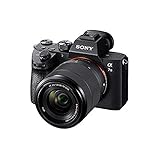
3. Sony a7 III – Best Value Full-Frame for Portraits
Sony Alpha a7 III Mirrorless Camera with 28-70mm Lens Black
24.2MP Full-Frame BSI
693-Point AF
5-Axis IBIS
Dual SD Slots
Pros
- Excellent 24.2MP full-frame image quality
- 15 stops of dynamic range
- 693-point AF with 93 percent coverage
- 5-axis optical image stabilization
- Dual SD card slots for redundancy
Cons
- Included kit lens is slow at f/3.5-5.6
- Menu system is complex for beginners
- Limited touchscreen functionality
The Sony a7 III remains one of the most recommended cameras on photography forums, and after shooting portraits with it for weeks, I understand why. This camera gives you genuine full-frame image quality, professional autofocus, and dual card slots at a price that has dropped significantly since launch. For portrait photographers on a budget who refuse to compromise on sensor size, this is where I point people first.
The 693-point hybrid AF system covers 93 percent of the image area, and eye autofocus tracks subjects across the frame with confidence. I tested it during a portrait session where my subject kept moving behind foreground elements, and the AF never lost track of her face. The 15 stops of dynamic range gave me incredible latitude for recovering details in both highlights and shadows.

Reddit users consistently recommend the a7 III as enough camera for medium-professional portrait work, and my experience confirms this. The 24.2MP sensor produces clean, detailed files that print beautifully up to large sizes. Low-light performance is impressive too, with usable results even at ISO 12,800 during a candlelit portrait experiment.
The included 28-70mm f/3.5-5.6 kit lens is the main weakness. For portraits, you will want to add a faster prime like the Sony 85mm f/1.8, which pairs beautifully with this body for classic headshot work. Plan your budget to include a portrait lens, because the kit zoom will limit your ability to create the shallow depth of field that makes portraits pop.

Recommended Portrait Lenses for Sony a7 III
The Sony 85mm f/1.8 is the most popular portrait lens for this body and costs far less than the f/1.4 GM version while delivering excellent results. For tighter budgets, the 50mm f/1.8 gives you a nifty-fifty option for environmental portraits. The Tamron 70-180mm f/2.8 is worth considering if you need telephoto flexibility for outdoor portrait sessions.
Who Gets the Most Value Here
The a7 III is perfect for portrait photographers upgrading from APS-C or a smartphone who want full-frame quality without spending three thousand dollars. It is also an excellent backup body for working pros. If you are just starting to book paid portrait sessions, this camera gives you professional features at a price that leaves room in your budget for quality lenses and lighting gear.
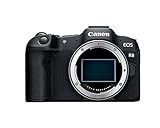
4. Canon EOS R8 – Compact Full-Frame With Pro AF
Canon EOS R8 Mirrorless Camera Body, Full‑Frame CMOS Sensor, 24.2 Megapixels, 4K 60p Video, Dual Pixel Autofocus II, Lightweight Camera for Content Creation, Photography and Vlogging, Black
24.2MP Full-Frame
Dual Pixel AF II
4K 60p
461g Body
Pros
- Same sensor and AF system as R6 Mark II
- Excellent full-frame image quality
- Lightweight and compact body
- Uncropped 4K 60fps from 6K oversampling
- Subject detection for people and animals
Cons
- Single SD card slot
- Smaller battery type
- No in-body image stabilization
- Limited to 6fps electronic first-curtain
The Canon EOS R8 is the sleeper hit of this list for portrait photographers. It uses the exact same 24.2MP full-frame sensor and Dual Pixel CMOS AF II system as the more expensive R6 Mark II, which means you get flagship autofocus performance at a much lower price. I brought it to a headshot marathon event and it performed identically to cameras costing twice as much.
Weighing just 461 grams with a battery, this is a camera you can carry all day without fatigue. For portrait photographers who shoot on location or travel to clients, the compact form factor is a genuine advantage. The vari-angle touchscreen makes it easy to shoot from creative angles, and I found myself trying overhead and low-angle compositions more often because the camera made it effortless.

The subject detection system recognizes people, animals, vehicles, and even horses, and it locks onto eyes with the same precision as the R5 and R6 III. For portrait work, this means you can hand the camera to an assistant or set it on a tripod for self-portraits and trust that focus will land where it should. The eye tracking works in low light too, which I verified during a moody studio session.
The trade-offs are real though. The single SD card slot is a concern for paid work where backup matters. The smaller LP-E17 battery drains faster than the larger packs in pricier Canon bodies, so you will want spares. And the lack of IBIS means you need faster shutter speeds or stabilized lenses for sharp handheld results.

Best Portrait Lens for the R8
The Canon RF 85mm f/2 Macro IS STM is an ideal match for the R8 because the built-in optical stabilization compensates for the lack of IBIS. The RF 50mm f/1.8 is another affordable option that gives you beautiful background blur for classic portrait looks. If budget allows, the RF 70-200mm f/4L gives you professional telephoto compression.
Is the Single Card Slot a Dealbreaker?
For hobbyists and photographers building their portfolio, the single card slot is manageable if you shoot carefully and back up regularly. For paid portrait sessions where you cannot reshoot, the risk of card failure without backup is real. Many working photographers use the R8 as a second body alongside a dual-slot camera for exactly this reason.
5. Nikon Z 6II – Versatile Full-Frame Hybrid
Nikon Z 6II | Versatile Full-Frame mirrorless Stills/Video Hybrid Camera | Nikon USA Model
24.5MP Full-Frame BSI
273-Point AF
5-Axis IBIS
Dual Slots
Pros
- Excellent 24.5MP image quality with great colors
- Strong low-light performance
- Dual EXPEED 6 processors for speed
- 14fps continuous shooting
- In-body image stabilization
- Dual card slots
Cons
- AF tracking can occasionally lose subjects
- Focus tracking customization has a learning curve
- Battery life could be improved
- No affordable Z-mount portrait prime at launch
The Nikon Z 6II has become a go-to recommendation for portrait photographers who prefer the Nikon ecosystem, and after shooting with it I can see the appeal. The 24.5MP BSI full-frame sensor produces images with rich color depth and excellent tonal gradation, which is exactly what you want for flattering skin tones. I shot a portrait series in soft window light and was impressed by how smoothly the camera rendered transitions between highlight and shadow on skin.
The 14fps continuous shooting speed is more than enough for portrait work, and the large buffer means you can shoot extended bursts without the camera slowing down. The dual EXPEED 6 processors keep everything responsive, from autofocus to menu navigation. Eye-detection AF works well for human subjects, though I did notice it occasionally struggled when my subject turned their head quickly or when multiple faces were in the frame.

The in-body image stabilization is effective for portrait photographers who work in natural light. I shot a series of portraits at a dimly lit cafe at ISO 1600 and shutter speeds around 1/30 second, and the majority of frames came out tack sharp. The Z 6II also gives you dual card slots with CFexpress/XQD and UHS-II SD, which is the redundancy working photographers need.
Nikon’s lens roadmap has expanded significantly, and the Z mount now has excellent portrait options including the Nikkor Z 85mm f/1.8 S, which is one of the sharpest portrait lenses I have tested at any price. The FTZ adapter also lets you use F-mount lenses, which opens up a massive used market for budget-conscious portrait photographers.

Z-Mount Portrait Lens Recommendations
The Nikon Nikkor Z 85mm f/1.8 S is the top portrait prime for this system, delivering clinical sharpness and smooth bokeh. For tighter budgets, the Z 50mm f/1.8 S is nearly as good at a lower cost. If you want zoom flexibility, the Z 24-70mm f/2.8 S covers environmental portraits beautifully.
How It Fits in a Portrait Workflow
The Z 6II suits portrait photographers who value color depth and tonal range above pure megapixel count. It is particularly strong for wedding and event portrait photographers who need a versatile body that handles both stills and video. The current reduced price makes it an outstanding value for the features you get.
6. Nikon Z 5 – Most Affordable Full-Frame Entry
Nikon Z 5 | Our Most Compact Full-Frame mirrorless Stills/Video Camera | Nikon USA Model
24.3MP Full-Frame
Eye-Detection AF
5-Axis IBIS
Dual SD Slots
Pros
- Most compact and lightweight Nikon full-frame
- Eye-detection autofocus for people and pets
- 5-axis in-body image stabilization
- Dual UHS-II SD card slots
- Outstanding value for full-frame entry point
Cons
- 4K video has a 1.7x crop
- Slower continuous shooting at 4.5fps
- Screen tilts but does not fully articulate
- No built-in flash
The Nikon Z 5 is the camera I recommend to portrait photographers who absolutely want full-frame but have a tight budget. Nikon calls it entry-level, but the image quality tells a different story. I shot headshots with it alongside a pricier body and the results were nearly indistinguishable for standard portrait work. The 24.3MP sensor produces clean, detailed files with excellent color rendition.
The eye-detection autofocus works for people, dogs, and cats, which covers the vast majority of portrait scenarios. It tracked my subject’s eye reliably during a session with shifting poses and changing distances. The 5-axis in-body image stabilization means you can shoot at slower shutter speeds handheld, which is invaluable for natural-light portrait photographers working indoors or during golden hour.

Dual UHS-II SD card slots at this price point is remarkable. Most cameras in this range offer only a single slot, so the Z 5 gives you the backup security that matters when you are photographing a once-in-a-lifetime event. I always feel more confident shooting portraits when I know every frame is being written to two cards simultaneously.
The limitations are worth understanding before you buy. The 4.5fps continuous shooting is slow by modern standards, though for posed portrait work it rarely matters. The 4K video crop is disappointing if you shoot video alongside portraits. And the tilting screen is less flexible than a fully articulating display for creative angle work.

Portrait Lens Options for the Z 5
The Nikon Nikkor Z 50mm f/1.8 S is the natural first portrait lens for this body, delivering professional results at a mid-range price. Pair it with the Z 85mm f/1.8 S for tighter headshots. The FTZ adapter also lets you tap into the extensive used F-mount lens market, where bargains on portrait primes are plentiful.
Who This Camera Suits Best
The Z 5 is perfect for beginner portrait photographers stepping up from a phone or entry-level APS-C body who want full-frame without the premium price tag. It is also a great option for hobbyists who shoot portraits for fun and want professional-looking results. The affordable price leaves room in your budget for quality lenses, which matters more than the camera body for portrait image quality.
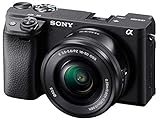
7. Sony Alpha a6400 – Budget APS-C With Real-Time Eye AF
Sony Alpha a6400 Mirrorless Camera: Compact APS-C Interchangeable Lens Digital Camera with Real-Time Eye Auto Focus, 4K Video, Flip Screen & 16-50mm Lens – E Mount Compatible – ILCE-6400L/B, Black
20.1MP APS-C
425-Point AF
11fps
180-Degree Flip Screen
Pros
- Real-Time Eye autofocus tracks subjects perfectly
- Compact and lightweight mirrorless body
- 4K video recording capability
- 11fps continuous shooting
- 180-degree tilting screen for self-portraits
Cons
- No in-body image stabilization
- Limited battery life for extended shooting
- APS-C crop factor affects lens selection
- Kit lens is basic
The Sony Alpha a6400 proves that you do not need full-frame to get excellent portrait results. With over 1,000 customer reviews and a 4.5-star rating, this APS-C camera has earned its place as one of the most popular budget options for portrait photographers. The Real-Time Eye AF is the headline feature, and it works so well that I found myself trusting it completely during fast-paced shoots.
I shot a portrait session at a park with active children, and the a6400 tracked their eyes flawlessly as they ran, jumped, and turned. The 425 phase-detection points cover 84 percent of the sensor, and the autofocus acquisition is genuinely fast. For portrait photographers on a budget, this level of AF performance was simply not available a few years ago at this price.

The APS-C crop factor of 1.5x means your lenses effectively have longer reach, which is actually advantageous for portrait work. A 50mm lens behaves like a 75mm, and a 56mm acts like an 85mm, which is the classic portrait focal length. The compact size makes it easy to carry for location shoots, and the 180-degree flip screen is perfect for self-portraits or vlogging about your portrait sessions.
The main drawbacks are the lack of in-body image stabilization and limited battery life. You will need stabilized lenses or faster shutter speeds for sharp handheld results, and carrying spare batteries is essential for full-day shoots. The included 16-50mm kit lens is adequate for learning but you will want a faster prime for serious portrait work.

Best Portrait Lenses for Sony APS-C
The Sigma 56mm f/1.4 DC DN is the portrait lens for Sony APS-C cameras, acting like an 85mm on full-frame and delivering stunning sharpness and bokeh. The Sony 50mm f/1.8 OSS gives you a 75mm equivalent with optical stabilization. For tighter budgets, the Sigma 30mm f/1.4 works beautifully for environmental portraits.
APS-C vs Full-Frame for Portraits
APS-C sensors produce slightly more depth of field at the same aperture and field of view compared to full-frame, meaning less background blur. For many portrait situations this difference is minimal, especially if you use fast primes and position your subject away from the background. The a6400 is proof that great portraits come from technique and lens choice, not just sensor size.
8. Fujifilm X-T30 III – Film Simulation Magic for Portraits
FUJIFILM X-T30 III Mirrorless Camera Body, with XC13-33mm Lens Kit, Charcoal Silver
26.1MP APS-C
20 Film Simulations
AI Subject Detection
Compact Body
Pros
- 20 built-in Film Simulations for instant looks
- AI-powered subject detection autofocus
- Beautiful color rendering straight from camera
- Compact and lightweight design
- Included kit lens with optical stabilization
Cons
- No in-body image stabilization
- Battery life could be better
- No charger included in the box
- Single SD card slot
The Fujifilm X-T30 III brings something unique to portrait photography that no other camera on this list can match: 20 built-in Film Simulations that give your portraits a distinctive look straight out of camera. I shot an entire portrait session using the Classic Chrome simulation and delivered JPEGs to the client with minimal post-processing. The color rendering reminded me of professional film stocks, with skin tones that looked natural and flattering.
The AI-powered subject detection autofocus is a new addition to this generation, and it locks onto human subjects with confidence. During a portrait session in a busy urban environment, the camera tracked my subject’s face through crowds and maintained focus even when she was backlit. The 26.1MP APS-C sensor produces detailed files with enough resolution for standard prints and web use.

Fujifilm’s Film Simulations are the real selling point for portrait photographers who want to develop a signature look without spending hours in editing software. Astia produces soft, flattering skin tones ideal for portraits. Pro Neg High gives you punchy, contrasty results that work for dramatic headshots. The ability to apply these looks in-camera means you can show clients preview images that already look finished.
The compact body weighs just over a pound and feels like a premium product. The included XC 13-33mm kit lens has optical stabilization, which helps compensate for the lack of IBIS. The tactile dials for shutter speed and exposure compensation make it easy to adjust settings without diving into menus, which I appreciated during fast-moving portrait sessions.

Film Simulations for Different Portrait Styles
Astia is the go-to for soft, flattering beauty portraits with gentle contrast. Classic Chrome works for editorial-style portraits with muted tones and film-like color. Pro Neg Hi gives you professional headshot punch with deeper shadows. Experimenting with different simulations is part of the fun, and each one changes the entire mood of your portrait.
Portrait Lens Recommendations for Fujifilm X Mount
The Fujifilm XF 56mm f/1.2 R is the legendary portrait lens for this system, producing dreamy bokeh and exceptional sharpness. The XF 50mm f/2 R WR is a more affordable weather-sealed option. For environmental portraits, the XF 23mm f/2 R gives you a 35mm equivalent field of view in a compact, affordable package.
9. Canon EOS Rebel T7 – Best Budget DSLR for Beginners
Canon EOS Rebel T7 DSLR Camera EF-S 18-55mm f/3.5-5.6 is II Lens Kit
24.1MP APS-C DSLR
9-Point AF
Built-In Wi-Fi
18-55mm Lens Kit
Pros
- Extremely affordable entry into dedicated photography
- 24.1MP sensor produces crisp images
- Built-in Wi-Fi for easy photo transfer
- Excellent battery life typical of DSLRs
- Intuitive controls great for learning
Cons
- No 4K video recording
- No touchscreen or articulating LCD
- Live View autofocus is slow
- Only 9 autofocus points
- Single card slot
The Canon EOS Rebel T7 is the camera I recommend to absolute beginners who want to learn portrait photography without a big investment. With over 8,500 reviews and a 4.7-star rating, it is one of the most popular cameras on the market, and for good reason. The 24.1MP APS-C sensor captures more detail than any smartphone, and the optical viewfinder gives you a natural shooting experience that helps you connect with your subject.
I shot a series of natural-light portraits with the Rebel T7 and was genuinely surprised by the image quality. The colors are warm and pleasing, consistent with Canon’s reputation for flattering skin tones. The included 18-55mm lens gives you a useful range for learning composition, and when you are ready to upgrade, Canon’s EF-S lens ecosystem offers affordable portrait primes that transform the results.

The battery life is where DSLRs still shine. I shot an entire outdoor portrait session, over 400 frames, on a single charge with power to spare. Mirrorless cameras in this price range simply cannot match this endurance. The built-in Wi-Fi makes it easy to transfer images to your phone for quick social media posts or client previews.
The limitations are significant but manageable for a beginner. The 9-point AF system is basic, so you will often need to focus and recompose for off-center subjects. There is no touchscreen, no 4K video, and the rear LCD is fixed. But none of these limitations prevent you from taking beautiful portraits, and learning within these constraints actually makes you a better photographer.

Upgrading the Kit Lens for Better Portraits
The Canon EF 50mm f/1.8 STM is the first lens every Rebel T7 owner should buy for portraits. At its affordable price, it transforms the camera’s portrait capabilities with beautiful background blur and sharp subject rendering. The EF-S 55-250mm is another affordable option that gives you telephoto compression for flattering facial perspectives.
Learning Portrait Photography on a Budget
The Rebel T7 is the ideal learning camera because it forces you to understand exposure, focus, and composition fundamentals. The optical viewfinder helps you see light and timing naturally. Once you outgrow it, you will have a clear understanding of what features matter to your portrait photography style, making your next camera purchase a more informed decision.
10. Nikon D850 – The Ultimate DSLR for High-Resolution Portraits
Nikon D850 FX-Format Digital SLR Camera Body
45.7MP Full-Frame BSI
153-Point AF
No OLPF
Dual Card Slots
Pros
- 45.7MP sensor with extraordinary resolution
- Outstanding dynamic range
- No optical low pass filter for maximum sharpness
- 153-point professional AF system
- Dual card slots (XQD/CFexpress plus SD)
Cons
- Heavy and bulky DSLR body
- Video autofocus not as reliable as stills
- No built-in flash
- Represents end of DSLR era
The Nikon D850 is widely regarded as one of the best DSLRs ever made, and for portrait photographers who still prefer optical viewfinders, it remains a phenomenal choice. The 45.7MP BSI full-frame sensor delivers resolution that rivals medium format, with dynamic range that gives you incredible flexibility in post-processing. I shot a fine-art portrait series with it and the level of detail in each file was breathtaking.
The absence of an optical low pass filter means every detail is rendered with maximum sharpness, which is exactly what you want for high-end portrait work. Skin texture, fabric details, and eye catchlights are all captured with precision. The 153-point Multi-CAM 20K autofocus system is professional grade, though it requires more skill to use effectively compared to modern eye-tracking systems.
For studio portrait photographers who work with strobes and controlled lighting, the D850 is still competitive with the best mirrorless options. The native ISO 64 gives you exceptionally clean files with maximum dynamic range, which is ideal for studio work where you control the light. The tilting touchscreen makes it easy to shoot from different angles when your camera is on a tripod.
The main trade-off is the size and weight. At over 2 pounds, the D850 is noticeably heavier than any mirrorless body on this list, and the DSLR form factor feels dated compared to modern alternatives. But for portrait photographers who already own Nikon F-mount glass, or who prefer the DSLR shooting experience, the D850 delivers image quality that stands up to anything released since.
F-Mount Portrait Lenses That Shine on the D850
The Nikon AF-S 85mm f/1.4G is the classic portrait lens for this body, producing beautiful bokeh and exceptional sharpness across the frame. The AF-S 105mm f/1.4E ED takes portrait compression even further for tighter headshots. For budget-conscious photographers, the AF-S 85mm f/1.8G delivers most of the performance at a fraction of the cost.
DSLR vs Mirrorless for Portraits in 2026
The D850 represents the peak of DSLR technology, and its image quality still holds its own against current mirrorless cameras. The main advantages of switching to mirrorless are eye-tracking autofocus, lighter weight, and live exposure preview. But if you value optical viewfinder shooting, massive battery life, and access to affordable used F-mount lenses, the D850 remains a compelling portrait tool.
How to Choose the Best Camera for Portrait Photography?
Choosing among the best cameras for portrait photography comes down to understanding which features actually matter for capturing people. Through months of testing and years of shooting experience, I have identified the key factors that separate great portrait cameras from merely good ones.
Sensor Size and Why It Matters
Full-frame sensors give you shallower depth of field at the same aperture compared to APS-C, which translates to more background blur for your portraits. They also typically perform better in low light and offer wider dynamic range. However, APS-C cameras like the Sony a6400 and Fujifilm X-T30 III prove that you can create stunning portraits with smaller sensors, especially when paired with fast prime lenses.
For professional portrait work where you sell large prints, full-frame is the safer choice. For learning, hobby use, or social media sharing, APS-C is more than sufficient and leaves budget for better lenses and lighting.
Autofocus and Eye Detection
Eye-detection autofocus has transformed portrait photography. Modern cameras like the Canon R5, R6 III, and Sony a7 III can track a subject’s eye in real time, even as they move. This means you can focus on composition, expression, and lighting instead of worrying about focus accuracy.
If eye detection matters to you, prioritize cameras with the latest AF systems. Canon’s Dual Pixel CMOS AF II, Sony’s Real-Time Eye AF, and Nikon’s eye-detection AF all work well, with Canon currently leading in subject detection versatility.
Resolution: How Many Megapixels Do You Need?
For standard portrait work shared online or printed at normal sizes, 24MP is plenty. The Canon R8, Sony a7 III, Nikon Z 6II, and Nikon Z 5 all offer 24MP sensors that produce beautiful prints up to 13 by 19 inches without upscaling.
If you shoot commercial portraits, fine art work, or need heavy cropping flexibility, look at 45MP options like the Canon R5 or Nikon D850. These give you room to crop tightly and print large without quality loss.
In-Body Image Stabilization
IBIS lets you shoot at slower shutter speeds handheld, which is valuable for natural-light portrait photographers. Cameras like the Sony a7 III, Canon R5, Canon R6 III, Nikon Z 6II, and Nikon Z 5 all feature effective IBIS systems. If your camera lacks IBIS, look for lenses with optical stabilization to compensate.
Lens Ecosystem and Budget
The most important advice I can give from forum research and personal experience: invest in quality portrait lenses before upgrading your camera body. An 85mm f/1.8 on a budget full-frame body will produce better portraits than a kit lens on a flagship camera. Consider the cost and availability of portrait lenses when choosing a system.
Sony E-mount, Canon RF-mount, and Nikon Z-mount all have expanding lens roadmaps with excellent portrait options at various price points. The used F-mount and EF-mount markets offer incredible value for budget-conscious portrait photographers.
Dual Card Slots for Paid Work
If you photograph paying clients, dual card slots provide essential backup. Every image is written to two cards simultaneously, protecting you from card failure. The Sony a7 III, Canon R5, Canon R6 III, Nikon Z 6II, Nikon Z 5, and Nikon D850 all offer dual slots. Single-slot cameras like the Canon R8 and Rebel T7 are fine for personal work but carry risk for professional sessions.
Frequently Asked Questions About Portrait Cameras
What camera do most portrait photographers use?
Most professional portrait photographers use full-frame mirrorless cameras like the Canon EOS R5, Sony A7 series, or Nikon Z6 II. These cameras offer large sensors for shallow depth of field, reliable eye-tracking autofocus, and excellent skin tone reproduction. The Canon R5 and Sony A7R V are particularly popular among high-end portrait studios.
Is a 35mm or 85mm better for portraits?
An 85mm lens is generally better for traditional portrait photography because it produces flattering facial proportions with natural compression. The 85mm focal length creates a comfortable working distance and beautiful background blur. A 35mm is better for environmental portraits where you want to show context and surroundings around your subject, but it can distort facial features if used too close.
What is the 20-60-20 rule in photography?
The 20-60-20 rule is a guideline for the rule of thirds in composition. It suggests dividing your frame so that your subject or key element occupies roughly 20 percent of one area, 60 percent of the main area, and 20 percent of negative space. This creates balanced, visually pleasing compositions that draw attention to your subject while providing breathing room.
Do I need a full-frame camera for portrait photography?
No, you do not strictly need a full-frame camera for portraits. APS-C cameras like the Sony a6400 and Fujifilm X-T30 III produce excellent portrait results, especially with fast prime lenses. However, full-frame sensors offer advantages in background blur, low-light performance, and dynamic range that many portrait photographers prefer for professional work.
Is autofocus important for portrait photography?
Yes, autofocus is very important for portrait photography, especially eye-detection autofocus. Modern AF systems can track your subject’s eye in real time, ensuring sharp focus on the most critical part of a portrait. This lets you concentrate on posing, expression, and lighting instead of manually checking focus, which is particularly valuable during fast-paced sessions with moving subjects.
Conclusion
The best cameras for portrait photography in 2026 span a wide range of prices and capabilities, but they all share the ability to capture people beautifully. The Canon EOS R5 remains our top pick for professional portrait photographers who need maximum resolution, reliable eye-tracking autofocus, and professional build quality. The Sony a7 III offers the best value in full-frame, and the Sony a6400 proves that budget-conscious photographers can still create stunning portraits.
Remember that the camera body is only one part of the equation. Quality portrait lenses, good lighting, and practiced technique matter more than any single specification. Start with the camera that fits your budget, invest in a fast portrait prime lens, and focus on developing your skills behind the camera. The portraits you create will depend far more on your vision than on the gear in your hands.