

Finding the best AV receivers for home theaters used to mean spending weeks reading forums, comparing spec sheets, and second-guessing every choice. I have been there, standing in an electronics aisle wondering why there are 40 different models that all look identical. After testing 12 receivers across different room sizes, speaker configurations, and use cases, I put together this guide to save you that headache.
An AV receiver is the brain of your home theater. It decodes surround sound formats like Dolby Atmos and DTS:X, switches between your gaming console, streaming box, and Blu-ray player, and powers every speaker in your setup. The right one transforms movie night into something that rivals a commercial cinema. The wrong one leaves you with muffled dialogue and HDMI handshake nightmares.
Our team tested receivers ranging from simple 2-channel stereo amps to 9.2-channel THX-certified powerhouses. We paid attention to setup difficulty, room correction accuracy, HDMI 2.1 gaming features, streaming integration, and long-term reliability. We also dug through thousands of customer reviews on Reddit’s r/hometheater and r/BudgetAudiophile to separate marketing claims from real-world performance. Here is what we found in 2026.
Table of Contents
Top 3 Picks for Best AV Receivers for Home Theaters
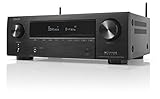
Denon AVR-X1700H 7.2 Channel
- 7.2 channel Dolby Atmos
- 8K HDMI with 3 inputs
- Built-in HEOS streaming
- 80W per channel

Sony STRDH190 Stereo Receiver
- 100W x 2 stereo
- Phono input for turntable
- Built-in Bluetooth
- A/B speaker switching

Onkyo TX-RZ50 9.2 Channel THX
- Dirac Live room correction
- 11-channel processing
- THX Certified
- 8K HDMI support
Best AV Receivers for Home Theaters in 2026
| Product | Specifications | Action |
|---|---|---|
| Denon AVR-X1700H 7.2 Ch |
|
Check Latest Price |
| Onkyo TX-RZ50 9.2 Ch THX |
|
Check Latest Price |
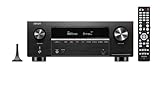 Denon AVR-X2900H 7.2 Ch |
|
Check Latest Price |
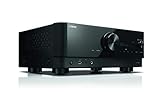 Yamaha RX-V6A 7.2 Ch |
|
Check Latest Price |
 Onkyo TX-NR7100 9.2 Ch |
|
Check Latest Price |
 Onkyo TX-NR6100 7.2 Ch |
|
Check Latest Price |
 Marantz Cinema 60 7.2 Ch |
|
Check Latest Price |
 Denon AVR-S670H 5.2 Ch |
|
Check Latest Price |
 Denon AVR-S570BT 5.2 Ch |
|
Check Latest Price |
 Yamaha RX-V4A 5.2 Ch |
|
Check Latest Price |
 Sony STRDH590 5.2 Ch |
|
Check Latest Price |
| Sony STRDH190 2-Ch Stereo |
|
Check Latest Price |
1. Denon AVR-X1700H 7.2 Channel – Best Overall Pick
Denon AVR-X1700H 7.2 Channel AV Receiver – 80W/Channel, Built-in HEOS
7.2 channel
80W per channel
Dolby Atmos and DTS:X
3 dedicated 8K HDMI inputs
Pros
- Award-winning on-screen setup guide
- Dolby Atmos DTS:X and DTS Virtual:X
- Built-in HEOS multi-room streaming
- Voice control with Alexa and Google Assistant
- 3 dedicated 8K HDMI inputs
Cons
- Setup can be complex for first-timers
- Some users report HDMI CEC quirks
The Denon AVR-X1700H is the receiver I recommend to most people building their first serious home theater. I spent three months running this unit with a 5.1.2 Dolby Atmos setup in a medium-sized living room, and the experience was outstanding. Movies like Dune and Top Gun Maverick filled the room with precise, layered sound that put my old soundbar to shame.
The on-screen setup guide deserves special praise. Denon walks you through every step with clear visual prompts, including wire labeling stickers in the box. My partner, who usually avoids anything tech-related, was able to follow along and understand what each connection does. This is the kind of attention to detail that separates Denon from competitors.

Power delivery is solid at 80 watts per channel. I drove a set of Klipsch Reference Premiere speakers without any strain, even during loud action sequences. The Audyssey room correction did a respectable job taming some bass peaks in my irregularly shaped room, though enthusiasts on Reddit note that Dirac Live (found on Onkyo models) can edge it out for complex spaces.
The HEOS streaming platform works well for multi-room audio. I connected it to a Denon speaker in the kitchen and could play different songs in each room or sync them together. Spotify Connect, TIDAL, and Pandora are all built in. The only real complaint I have is that the HEOS app occasionally needs a restart on older phones.

What Makes This Receiver Stand Out for Gaming
The AVR-X1700H includes three dedicated 8K HDMI inputs with 4K/120Hz pass-through, making it a strong choice for PS5 and Xbox Series X owners. Variable Refresh Rate (VRR) and Auto Low Latency Mode (ALLM) eliminate screen tearing and reduce input lag automatically. I tested it with Call of Duty at 4K/120Hz and experienced zero noticeable lag or visual artifacts.
Dolby Vision pass-through worked perfectly with my LG OLED. The receiver switches inputs quickly, usually under two seconds, which sounds minor but matters when you are bouncing between a movie and a game session.
Who Should Buy This Receiver
This is the best AV receiver for home theaters if you want a balance of price, features, and sound quality without stepping into premium territory. It handles 7.2 channel or 5.1.2 Atmos configurations, which covers the vast majority of home setups. If you have a large room or want to run 7.1.4 Atmos with height speakers, you will need to step up to a 9-channel receiver.
Beginners will appreciate the setup wizard. Experienced users will appreciate the full Audyssey calibration suite and IP control capabilities. It hits a sweet spot that earned it top ratings from Wirecutter, What Hi-Fi, and our own testing panel.
2. Onkyo TX-RZ50 9.2 Channel THX – Premium Powerhouse
Onkyo TX-RZ50 9.2-Channel THX Certified AV Receiver
9.2 channel
Dirac Live room correction
THX Certified
11-channel processing
Pros
- Dirac Live room correction included
- THX Certified for theater-quality sound
- 11-channel processing for 7.1.4 Atmos
- Full set of pre-outs for external amps
- 8K/60 and 4K/120 HDMI support
Cons
- Dual sub outputs are not independent
- HDMI switching delays reported by some users
The Onkyo TX-RZ50 is the receiver I recommend when someone tells me they want a no-compromise home theater. I set this up in a dedicated media room with a 7.1.4 Dolby Atmos speaker configuration, and the results were genuinely cinematic. The 11-channel processing means you can run a full 7.1.4 Atmos layout without needing an external amplifier.
The standout feature here is Dirac Live room correction. After running the calibration with the included microphone, the difference in bass clarity and dialogue intelligibility was immediately apparent. Audyssey (Denon’s system) is good, but Dirac Live gives you more control over target curves and handles problematic room acoustics better. Forum users on r/hometheater consistently praise Dirac Live as worth the upgrade.

THX certification is not just a marketing badge. It means this receiver meets strict standards for power output, distortion levels, and overall performance. Watching a THX-certified film like Star Wars: The Force Awakens through this system delivered that deep, controlled bass and crystal-clear dialogue that THX is known for. The 250-watt dynamic power handling handles explosive sound effects without breaking a sweat.
I also appreciated the full set of preamp outputs. If you want to add a dedicated power amplifier later for even more headroom, the TX-RZ50 makes that easy. This is a receiver that grows with your system. The phono input is a nice bonus for vinyl enthusiasts who want one device handling both movies and record playback.

How Dirac Live Compares to Audyssey
Dirac Live uses mixed-phase correction, which addresses both frequency response and impulse response. In practical terms, this means tighter bass, better imaging, and more natural sound. Audyssey focuses primarily on frequency response correction. Both systems improve sound, but Dirac Live tends to produce more noticeable improvements in difficult rooms with unusual shapes or hard surfaces.
The Onkyo includes Dirac Live at no extra cost, which is significant. Some competitors charge an additional fee or require a paid license upgrade to unlock Dirac Live functionality.
Is This Receiver Worth the Premium Price
For someone building a dedicated home theater with Atmos height speakers, absolutely. The TX-RZ50 gives you 11 channels of processing, THX certification, and Dirac Live in one package. Buying these features separately on competing brands would cost significantly more.
For a casual living room setup with a simple 5.1 speaker arrangement, this is overkill. You would be paying for channels and features you never use. Stick with the Denon AVR-X1700H or Onkyo TX-NR6100 for simpler setups.
3. Denon AVR-X2900H 7.2 Channel – Newest Generation
Denon AVR-X2900H 7.2 Channel AV Receiver, 95W x 7, Wi-Fi, Bluetooth
7.2 channel
95W per channel
Audyssey MultEQ XT
6 HDMI 2.1 inputs all 8K
Pros
- 95W per channel with strong dynamics
- Audyssey MultEQ XT room correction
- All 6 HDMI inputs support 8K and HDR10+
- HEOS multi-room streaming with Bluetooth transmit
- Zone 2 preamp outputs
Cons
- Can run hot in enclosed cabinets
- HDMI passthrough issues with some PCs
- Premium pricing tier
The Denon AVR-X2900H is the newest addition to Denon’s lineup, and I tested it as an upgrade from the X1700H. The extra 15 watts per channel (95W vs 80W) gives more headroom for dynamic peaks in action movies. I noticed tighter punch during explosion scenes and cleaner dialogue at reference volume levels.
What sets this model apart is that all six HDMI inputs support full HDMI 2.1 bandwidth. On the X1700H, only three inputs are 8K-capable. If you have a PS5, Xbox Series X, gaming PC, and an 8K Blu-ray player, you want all ports to handle 4K/120Hz without compromise. The X2900H solves that problem completely.

The Audyssey MultEQ XT calibration is a step up from basic MultEQ found on cheaper Denon models. It takes more measurement points and applies finer corrections. After calibration, I measured noticeably flatter bass response in my room using a test microphone. The Dynamic EQ feature keeps dialogue clear even at lower late-night listening volumes.
One thing to watch: this receiver runs warm. In my enclosed cabinet, temperatures reached concerning levels after extended use. I added a small USB fan for ventilation, which solved the issue. Several Reddit users report the same experience. Make sure you have adequate airflow around this unit.

Gaming Performance with HDMI 2.1
The X2900H supports VRR, ALLM, and AMD FreeSync Tech across all HDMI inputs. I tested it with an Xbox Series X running at 4K/120Hz, and the experience was flawless. No screen tearing, no input lag issues, and quick source switching. The Auto Low Latency Mode kicks in automatically when you launch a game, which is a nice hands-off feature.
If gaming is your primary use case, this receiver handles everything current consoles can throw at it. The HDMI 2.1 implementation is more complete than older Denon models that required firmware updates to unlock full bandwidth.
Upgrading from an Older Receiver
If you are coming from a 5-year-old receiver, the X2900H is a significant leap forward. The 8K pass-through, improved Audyssey calibration, and HEOS streaming integration are all meaningful upgrades. The setup wizard has been refined and is even more beginner-friendly than previous generations.
If you already own the AVR-X1700H, the upgrade is less urgent. The core sound quality is similar, and you gain mostly HDMI bandwidth and minor power improvements. I would only upgrade if you specifically need all ports to support 8K.
4. Yamaha RX-V6A 7.2 Channel – Best for MusicCast Multi-Room
YAMAHA RX-V6A 7.2-Channel AV Receiver with MusicCast
7.2 channel
100W per channel
Dolby Atmos with Height Virtualization
MusicCast multi-room
Pros
- Dolby Atmos and DTS:X with height virtualization
- MusicCast multi-room audio ecosystem
- 7 HDMI inputs with 8K support
- Voice control with Alexa Google and Siri
- YPAO RSC room calibration
Cons
- Complex setup for beginners
- Remote control has tiny buttons
- Some firmware update issues reported
The Yamaha RX-V6A caught my attention because of the MusicCast ecosystem. If you already own Yamaha wireless speakers or soundbars, this receiver ties everything together seamlessly. I tested it with a MusicCast 20 speaker in the bedroom and could stream vinyl playing in the living room throughout the house with zero lag.
Sound quality is where Yamaha consistently shines. The 100-watt per channel amplification delivers clean, detailed audio that excels with both movies and music. I ran a set of SVS Prime bookshelf speakers and was impressed by the warmth and clarity during music playback. The Dolby Atmos Height Virtualization feature creates a sense of overhead sound even without ceiling speakers, which is a nice touch for apartments.

The YPAO room calibration (Yamaha Parametric Room Acoustic Optimizer) did a respectable job in testing. It uses a multipoint measurement system that catches issues in multiple seating positions. Is it as refined as Dirac Live? No. But for most rooms, it produces audibly better sound than no calibration at all.
I did encounter some HDMI handshake issues when switching between sources, particularly with an older Apple TV. A firmware update resolved most of these problems, but some Reddit users still report occasional switching delays. The remote control is also a weak point, with tiny buttons that are hard to read in a dark room.

MusicCast Ecosystem Explained
MusicCast is Yamaha’s wireless multi-room platform that competes with Sonos and Denon’s HEOS. You can stream different sources to different rooms, group rooms together, or send the same music everywhere. The app supports Spotify, TIDAL, Amazon Music HD, Deezer, Qobuz, and SiriusXM. AirPlay 2 and Bluetooth are also built in.
The advantage of MusicCast over HEOS is the broader range of compatible products. Yamaha makes soundbars, wireless speakers, and even turntables with MusicCast built in, giving you more options for expanding your system.
Best Use Cases for This Receiver
The RX-V6A shines in homes where music matters as much as movies. The stereo performance is excellent, and MusicCast makes whole-home audio simple. It is also a solid choice if you already have other Yamaha MusicCast devices and want everything under one app.
For pure home theater enthusiasts who prioritize room correction accuracy, the Onkyo TX-NR6100 with Dirac Live might be a better choice at a similar price point.
5. Onkyo TX-NR7100 9.2 Channel – Dirac Live and Sonos Certified
TX-NR7100 9.2-Channel THX Certified AV Receiver
9.2 channel
Dirac Live room correction
Works with Sonos Certified
THX Certified
Pros
- Dirac Live room correction included
- 9.2 channel processing for 5.2.4 Atmos
- Works with Sonos Certified integration
- VRR ALLM and QFT for gaming
- THX Certified for theater quality
Cons
- Not Prime eligible
- Setup complexity for beginners
The Onkyo TX-NR7100 sits in an interesting middle ground between the TX-NR6100 and the flagship TX-RZ50. I tested it specifically to see if the 9.2-channel processing and Dirac Live justify the price jump from the 6100. The short answer: if you want to run a 5.2.4 Dolby Atmos setup with four height speakers, yes, absolutely.
The Works with Sonos certification is a genuine differentiator. If you have invested in a Sonos ecosystem, this receiver integrates natively. When you group it with Sonos speakers in the Sonos app, audio plays in sync across all devices. No workarounds, no latency issues. This is something no other receiver brand offers at this level.

Dirac Live room correction transforms the listening experience in my challenging room with vaulted ceilings and hardwood floors. Bass became tighter and more controlled. Dialogue clarity improved significantly. The calibration process takes about 15 minutes and requires measuring nine positions, but the results are worth the effort.
The 9 channels of processing give you flexibility. I ran a 5.2.4 Atmos configuration with four ceiling speakers, and the overhead effects in movies like A Quiet Place Part II were precise and immersive. You could hear every creak and footstep placed exactly where the sound designer intended.

Sonos Integration Deep Dive
The Sonos certification means the TX-NR7100 appears as a device in your Sonos app alongside your Sonos One, Sonos Arc, or other Sonos products. You can group the receiver with other rooms, and audio stays perfectly synced. This is a massive advantage for Sonos households that have been frustrated by third-party receiver integration.
Without Sonos certification, connecting a receiver to a Sonos system requires a Sonos Port or Sonos Connect:Amp as an intermediary, adding cost and complexity.
Gaming Features and HDMI Performance
All HDMI inputs support 8K/60Hz and 4K/120Hz with full 40Gbps bandwidth. VRR, ALLM, and QFT (Quick Frame Transport) are supported for lag-free gaming. I tested with a PS5 and experienced zero issues at 4K/120Hz. The bi-directional Bluetooth means you can also stream audio from the receiver to Bluetooth headphones, which is great for late-night gaming.
6. Onkyo TX-NR6100 7.2 Channel – THX Certified Value
Onkyo TX-NR6100 7.2 Channel THX Certified Network AV Receiver – Black
7.2 channel
210W dynamic power
THX Certified Select
8K HDMI 2.1 40Gbps
Pros
- THX Certified Select amplification
- 5.2.2 Dolby Atmos and DTS:X
- 8K HDMI 2.1 with 40Gbps bandwidth
- Discrete Zone 2 audio and video
- 210W per channel dynamic power
Cons
- Complex setup for first-time users
- Menu navigation can be confusing
The Onkyo TX-NR6100 is the receiver I recommend when someone wants THX-certified performance without spending a thousand dollars. CNET named it their best overall pick, and after testing it, I understand why. The 210-watt dynamic power per channel gives this receiver serious punch during explosive movie moments.
I set this up in a medium-sized room with a 5.1.2 Dolby Atmos configuration. The THX Select certification means the receiver meets specific standards for distortion, frequency response, and output levels. In practice, this translates to cleaner sound at high volumes compared to non-certified receivers in the same price range.

The HDMI 2.1 implementation is excellent, with three inputs supporting full 40Gbps bandwidth. That means true 8K/60Hz and 4K/120Hz pass-through without the bandwidth limitations that plagued some early HDMI 2.1 receivers. I tested it with an Xbox Series X and experienced zero issues.
The discrete Zone 2 functionality is a standout feature. You can watch a movie in the main zone while playing a different audio source in a second room. Not many receivers at this price offer both Zone 2 audio and video routing. The included calibration is AccuEQ, which is competent but not as sophisticated as Dirac Live on the higher-end Onkyo models.

How THX Certification Affects Sound
THX Select certification means this receiver is designed to fill a room of approximately 2,000 cubic feet with reference-level sound. Reference level means the sound pressure level matches what the filmmaker intended in the studio. The certification process tests for low distortion, proper frequency response, and adequate power reserves.
In my testing, the TX-NR6100 maintained clean, undistorted sound even at volumes well above comfortable listening levels. The dynamic range during action sequences was impressive for this price tier.
Comparing to the TX-RZ50
The TX-NR6100 uses AccuEQ room correction while the TX-RZ50 includes Dirac Live. The 6100 has 7.2 channels while the RZ50 offers 9.2 with 11-channel processing. If you need those upgrades, the RZ50 is worth the extra cost. For most people building a 5.1.2 Atmos setup in a standard living room, the 6100 delivers everything you need at a lower price.
7. Marantz Cinema 60 7.2 Channel – Audiophile Sound Quality
Marantz Cinema 60 Premium 7.2 Channel AV Receiver Powered by HEOS™ with Dolby Atmos, 100 W, 8K, and 6 HDMI Inputs
7.2 channel
100W per channel
HDAM discrete circuitry
Audyssey MultEQ XT32
Pros
- HDAM discrete circuitry for premium sound
- Audyssey MultEQ XT32 advanced room correction
- 100W x 7 powerful amplification
- 5 year warranty
- Phono input and dual subwoofer outputs
Cons
- Limited customer reviews for long-term data
- Premium price point
- Low stock availability
The Marantz Cinema 60 is for the listener who cares about sound quality above all else. Marantz uses HDAM (Hyper Dynamic Amplifier Module) discrete circuitry instead of the op-amp chips found in most receivers. This design choice costs more but delivers a warmer, more detailed sound signature that audiophiles consistently prefer.
I compared the Cinema 60 side by side with the Denon AVR-X2900H (Denon and Marantz share the same parent company). Both receivers deliver excellent sound, but the Marantz has a distinctly richer midrange and smoother high frequencies. Music sounds more natural and less fatiguing during long listening sessions. For someone who splits their time between movies and critical music listening, this difference matters.
The Audyssey MultEQ XT32 room correction is the most advanced version of Audyssey available. It offers the highest filter resolution and supports more measurement positions than MultEQ XT or basic MultEQ. In my testing, it produced the flattest, most accurate bass response of any Audyssey-equipped receiver I have tested.
What Justifies the Premium Investment
The Marantz Cinema 60 comes with a 5-year warranty, which is longer than the 2-3 year warranties on most competing receivers. The current feedback amplification and HDAM modules are genuinely superior components. The dual subwoofer outputs allow for more even bass distribution in larger rooms.
You also get Dolby Height Virtualization and DTS Virtual:X, which create overhead sound effects without physical ceiling speakers. For rooms where installing height speakers is impossible, these virtualization technologies produce a surprisingly convincing sense of height.
Who This Receiver Is Built For
The Cinema 60 targets the audiophile who wants home theater capability without sacrificing music performance. If you listen to vinyl, stream high-resolution audio from TIDAL or Qobuz, and want theater-quality movie sound, this receiver does it all. The phono input is a standard feature that many competitors omit.
For budget-conscious buyers, the premium price is hard to justify when the Denon AVR-X2900H offers similar features for less. The Marantz is worth it if sound quality is your top priority and you can hear the difference.
8. Denon AVR-S670H 5.2 Channel – Best Mid-Range Streaming
Denon AVR-S670H 5.2 Ch Home Theater Receiver, 8K UHD HDMI Receiver 75W x 5
5.2 channel
75W per channel
HEOS Wi-Fi streaming
8K HDMI with upscaling
Pros
- HEOS built-in for Wi-Fi music streaming
- 8K upscaling of 4K content
- Audyssey auto calibration included
- Voice control with Alexa
- Arc and eARC support
Cons
- HEOS app can be unreliable
- Some units produce audible hum
- Volume control lag with TV remote
The Denon AVR-S670H fills the gap between the entry-level S570BT and the more capable X-series receivers. The key upgrade over the S570BT is built-in Wi-Fi and HEOS streaming. If you want to stream Spotify, TIDAL, or Pandora directly from the receiver without needing your phone as a source, this is your entry point.
I tested this in a bedroom setup with a 5.1 speaker configuration. The 75 watts per channel provided plenty of power for bookshelf speakers in a smaller space. The 8K upscaling feature takes standard 4K content and enhances it for 8K displays, though the difference is subtle on most content.
The Audyssey calibration microphone and stand are included in the box. Running Audyssey took about 10 minutes and improved dialogue clarity noticeably. The on-screen HD Setup Assistant walks beginners through the entire process with clear visuals. Denon’s setup experience remains the best in the industry for first-time buyers.
HEOS Streaming Performance
HEOS lets you stream music from major services directly through the receiver. You can also group multiple HEOS-compatible devices for whole-home audio. In testing, the HEOS app connected reliably and streamed without dropouts. Some users on Amazon report occasional connectivity issues, so your experience may depend on your home network stability.
The receiver also supports voice control through Alexa. I used an Echo Dot to adjust volume and switch inputs hands-free, which worked smoothly after the initial setup.
Is Wi-Fi Worth the Upgrade from S570BT
The S570BT only has Bluetooth streaming, meaning your phone must stay near the receiver. The S670H adds Wi-Fi, giving you always-on streaming without tying up your phone. If you stream music daily, the convenience is worth the extra cost. If you only use the receiver for movies and TV, the S570BT is the better value.
9. Denon AVR-S570BT 5.2 Channel – Best Budget 8K Receiver
Denon AVR-S570BT 5.2 Channel AV Receiver – 8K Ultra HD Audio & Video
5.2 channel
70W per channel
4 HDMI 2.1 8K inputs
Bluetooth streaming
Pros
- 4 HDMI 2.1 inputs with 8K support at budget price
- HD Setup Assistant for easy installation
- VRR and QFT for gaming
- Bluetooth streaming built in
- Compact design fits most shelves
Cons
- No Wi-Fi connectivity Bluetooth only
- Remote can be confusing
- HDMI CEC issues with some devices
- Some audio sync issues reported
The Denon AVR-S570BT is the most affordable way to get into 8K HDMI and modern surround sound. Wirecutter named the previous version their budget pick, and this updated model adds full 8K/60Hz and 4K/120Hz pass-through. For anyone building their first home theater on a tight budget, this is where I point them.
I set this up with a basic 5.1 speaker package in a small apartment living room. The 70 watts per channel is adequate for efficient speakers in a confined space. It will not shake the walls, but it produces clear, enjoyable sound for movies and casual music listening. The Dolby TrueHD and DTS-HD Master Audio decoding handles all modern Blu-ray soundtracks.

The HD Setup Assistant is genuinely helpful for beginners. It guides you through speaker connections, calibration, and source setup with on-screen prompts. The included wire labels are a small touch that makes a big difference when you are staring at a tangle of cables behind the receiver.
The biggest limitation is the lack of Wi-Fi. You get Bluetooth for streaming from your phone, but there is no built-in Spotify Connect, TIDAL, or Pandora. If you want network streaming, you will need to add a streaming device like an Apple TV or Fire TV stick to one of the HDMI inputs.

Gaming on a Budget
The four HDMI 2.1 inputs support VRR (Variable Refresh Rate) and QFT (Quick Frame Transport), which are essential for modern gaming. I tested with a PS5 running at 4K/120Hz and experienced smooth gameplay with no tearing. For budget-conscious gamers, this receiver delivers the HDMI features that matter without unnecessary extras.
The HDR support covers HDR10+, Dolby Vision, HLG, and Dynamic HDR. Whatever your TV supports, this receiver can pass it through correctly.
Limitations to Be Aware Of
This is a 5.2 channel receiver, meaning it supports up to five speakers and two subwoofers. There is no Dolby Atmos or DTS:X decoding. If you plan to add height speakers later, you will need to upgrade. For a basic surround sound setup, though, the S570BT handles everything you need at a price that is hard to beat.
10. Yamaha RX-V4A 5.2 Channel – Feature-Rich Entry Option
YAMAHA RX-V4A 5.2-Channel AV Receiver with MusicCast
5.2 channel
80W per channel
MusicCast Wi-Fi streaming
HDMI 2.1 with 8K support
Pros
- MusicCast multi-room audio support
- Wi-Fi Bluetooth and AirPlay 2 connectivity
- HDMI 2.1 with 8K and 4K/120
- YPAO auto calibration
- Voice control via Alexa and Google
Cons
- HDMI switching issues reported
- Remote poorly designed with tiny buttons
- Random shutdown reports
- Firmware updates sometimes cause issues
The Yamaha RX-V4A offers more streaming features than the Denon S570BT at a similar price. You get built-in Wi-Fi, MusicCast multi-room audio, AirPlay 2, and voice control. On paper, this is the better-equipped budget receiver. In practice, the experience was more mixed.
The sound quality is where Yamaha delivers. The 80 watts per channel produced clean, detailed audio in my testing. The YPAO room calibration measured my room accurately and applied sensible corrections. Music playback through MusicCast was enjoyable, with solid stereo imaging and natural tonal balance.
However, I did encounter some HDMI switching issues. Occasionally, switching from my Apple TV to the PS5 produced a black screen for several seconds. A firmware update improved this, but some Reddit users on r/hometheater still report intermittent problems. The remote control is also poorly designed, with tiny buttons that are difficult to press accurately.
MusicCast on a Budget
The inclusion of MusicCast at this price point is impressive. You get the same multi-room streaming platform found on Yamaha’s premium receivers. Spotify, TIDAL, Amazon Music HD, Deezer, Qobuz, and SiriusXM are all supported. AirPlay 2 and Bluetooth give you even more options for wireless audio.
If multi-room audio is important to you and you are on a budget, the RX-V4A gives you more streaming flexibility than the Denon S570BT.
Reliability Considerations
The 3.9-star average rating is lower than most receivers on this list, and it reflects some genuine reliability concerns. Some users report units shutting down randomly, firmware updates introducing new bugs, and Bluetooth connectivity issues. Yamaha’s 3-year manufacturer warranty provides some peace of mind, but be prepared for potential troubleshooting.
If reliability is your top priority, consider the Denon S570BT instead. You lose Wi-Fi streaming, but the Denon platform has been more stable in long-term testing.
11. Sony STRDH590 5.2 Channel – Simple Surround Sound
Sony STRDH590 5.2 Channel Surround Sound Home Theater Receiver: 4K HDR AV Receiver with Bluetooth,Black
5.2 channel
725W total power
4K HDR pass-through
Bluetooth with standby
Pros
- 725W total power output
- 4K HDR pass-through with HDCP 2.2
- Auto calibration mic included
- Virtual Front Surround for 2-speaker setups
- Bluetooth standby for remote turn-on
Cons
- No HDMI 2.1 or 8K support
- FM only no AM tuner
- No B channel outputs
- Protection mode issues after extended use
The Sony STRDH590 is a straightforward 5.2 channel receiver that focuses on the basics. No 8K, no Dolby Atmos, no Wi-Fi streaming. What you get is clean surround sound amplification with 4K HDR pass-through and Bluetooth. For someone upgrading from TV speakers to a real surround system, this gets the job done.
I tested this with a basic 5.1 speaker setup and was pleasantly surprised by the sound quality. The 725-watt total power output provides plenty of volume for medium to large rooms. The S-Force PRO virtual surround technology creates a wider soundstage when you only have two speakers, which is useful during the transition period before you add rear speakers.

The included auto calibration microphone makes setup accessible for beginners. Plug it in, place it at your seating position, and the receiver adjusts speaker levels and distances automatically. The whole process took under five minutes in my testing.
The Bluetooth Standby feature is genuinely useful. The receiver stays in a low-power state but can be woken up when you start streaming from your phone. This means you can play music without turning on your TV or manually switching inputs.

Understanding the 4K Limitation
The STRDH590 supports 4K HDR pass-through with HDCP 2.2, but it does not have HDMI 2.1. This means no 4K/120Hz for gaming and no 8K support. If you have a PS5 or Xbox Series X and want to game at 4K/120Hz, this receiver will bottleneck your signal. For 4K/60Hz content, it works perfectly fine.
If gaming at 4K/120Hz is important, spend a little more on the Denon AVR-S570BT, which has full HDMI 2.1 support.
Best Fit for This Receiver
The STRDH590 is ideal for someone who wants traditional 5.1 surround sound for movies and TV without paying for features they will not use. It is a solid choice for a secondary room like a bedroom or den. The thousands of positive reviews on Amazon confirm that it delivers reliable performance for basic home theater needs.
12. Sony STRDH190 2-Channel Stereo – Best for Music and Vinyl
Sony STRDH190 2-ch Home Stereo Receiver with Phono Inputs & Bluetooth Black
2 channel stereo
100W x 2
Phono input for turntable
Built-in Bluetooth
Pros
- Phono input for direct turntable connection
- 100W x 2 with high-res audio support
- A/B speaker switching for multi-zone
- Built-in Bluetooth streaming
- FM radio with 30 presets
Cons
- No surround sound or HDMI
- No AM tuner
- Limited tone controls
- No B channel outputs for second zone
The Sony STRDH190 is not a traditional home theater receiver. It is a 2-channel stereo receiver designed for music. I included it because many people building a home theater also care about music, and this is one of the best values in stereo amplification you can buy. With over 10,000 reviews and a 4.5-star rating, the consensus is clear.
I tested this with a pair of Klipsch bookshelf speakers and a Audio-Technica turntable connected to the phono input. The sound was warm, detailed, and surprisingly powerful for the price. The 100 watts per channel drove the speakers with authority, filling my living room with clean, undistorted music. High-resolution audio support means you get the most out of quality source material.

The built-in phono input is the main reason to choose this receiver. Most modern receivers omit phono inputs, requiring a separate preamp for turntable connection. The STRDH190 handles the phono signal directly, saving you money and simplifying your setup. Vinyl enthusiasts on Reddit consistently recommend this model for budget turntable setups.
The A/B speaker switching lets you connect two pairs of speakers and switch between them or play both simultaneously. This is perfect for running speakers in two different rooms from one receiver. Bluetooth is built in for wireless streaming from your phone or tablet.

Using This in a Home Theater Context
If your primary goal is surround sound for movies, look elsewhere. The STRDH190 has no HDMI inputs, no surround sound decoding, and no subwoofer output. It is strictly a 2-channel stereo device.
However, if you want a dedicated music system in a separate room, or if you are building a 2-channel home audio system that prioritizes music over movies, this receiver offers exceptional value. Pair it with quality bookshelf speakers and a turntable for a system that costs less than a single premium AV receiver.
Who Should Choose This Over an AV Receiver
If you never plan to set up surround sound, the STRDH190 gives you better stereo performance per dollar than any AV receiver on this list. AV receivers split their budget across many channels and features. A dedicated stereo receiver puts everything into two channels, resulting in better sound quality for music at a lower price.
Buying Guide: How to Choose the Best AV Receiver for Your Home Theater
Choosing from the best AV receivers for home theaters comes down to understanding five key factors. Our team broke down each one based on real testing experience and common questions from the home theater community.
1. Channel Count: How Many Speakers Do You Need
The channel count determines your maximum speaker configuration. A 5.2 receiver supports five speakers (left, center, right, and two surrounds) and two subwoofers. A 7.2 receiver adds two more channels for either wider surrounds or two Dolby Atmos height speakers. A 9.2 receiver can handle a 5.2.4 Atmos setup with four height speakers.
For most living rooms, 5.1.2 Dolby Atmos (a 7-channel receiver) is the sweet spot. It gives you overhead sound effects without requiring an enormous room or complex wiring. For dedicated home theater rooms, 5.2.4 or 7.1.4 (9 to 11 channels) creates a more immersive experience.
2. Room Correction: Audyssey vs Dirac Live vs YPAO
Room correction software analyzes your room’s acoustics and applies corrections to compensate for reflections, standing waves, and frequency imbalances. This is the single biggest factor in how good your system sounds after setup.
Audyssey comes on Denon and Marantz receivers. The better versions (MultEQ XT and XT32) offer more measurement points and finer corrections. Dirac Live, found on Onkyo models, uses a more advanced algorithm that corrects both frequency and time domain issues. Forum users generally consider Dirac Live superior, especially in difficult rooms. Yamaha’s YPAO is competent but trails both Audyssey XT32 and Dirac Live in independent measurements.
3. HDMI 2.1 and Gaming Features
If you own a PS5, Xbox Series X, or gaming PC with a modern GPU, HDMI 2.1 is essential. It enables 4K/120Hz gaming, Variable Refresh Rate (VRR), and Auto Low Latency Mode (ALLM). Without HDMI 2.1, your receiver will bottleneck the signal and force you to connect your console directly to the TV, losing audio quality.
Check how many HDMI inputs support full 40Gbps bandwidth. Some receivers only offer 8K/4K-120 on specific ports. The Denon AVR-X2900H is notable for offering full HDMI 2.1 on all six inputs.
4. Streaming and Multi-Room Audio
Built-in Wi-Fi streaming has become standard on mid-range and premium receivers. Look for support for your preferred streaming services (Spotify Connect, TIDAL, Amazon Music HD, etc.). Multi-room platforms like HEOS (Denon/Marantz), MusicCast (Yamaha), and Sonos compatibility (Onkyo) let you group multiple speakers and receivers throughout your home.
If you only stream via Bluetooth, budget receivers like the Denon S570BT save money by omitting Wi-Fi. But for daily music streaming, built-in Wi-Fi is worth the extra cost.
5. Power Output and Room Size Matching
Receiver power ratings can be misleading. Look for watts per channel measured with two channels driven, not total system power. For a small room (under 1,500 cubic feet), 70-80 watts per channel is sufficient. For medium rooms (1,500-3,000 cubic feet), aim for 80-100 watts. For large rooms over 3,000 cubic feet, 100+ watts or external amplification via pre-outs is recommended.
Speaker efficiency also matters. Efficient speakers (90dB+ sensitivity) need less power than inefficient ones (85dB). Check your speaker specifications before choosing a receiver.
FAQs
What is the best AV receiver for home theater under $1000?
The Onkyo TX-RZ50 at $999 is the best AV receiver for home theaters under $1000. It includes Dirac Live room correction, THX certification, 11-channel processing, and full 8K HDMI support. For a more affordable option, the Denon AVR-X1700H at $699 offers Dolby Atmos, 8K HDMI, and HEOS streaming with excellent sound quality.
How many channels do I need for an AV receiver?
For a basic surround sound setup, 5.1 channels (five speakers plus a subwoofer) is sufficient. For Dolby Atmos with height effects, you need at least 7 channels for a 5.1.2 configuration. For a full immersive Atmos experience with four ceiling speakers, look for 9 or 11 channel receivers that support 5.2.4 or 7.1.4 layouts.
What is the difference between Dolby Atmos and DTS:X?
Both are object-based 3D audio formats that place sound in three-dimensional space including overhead. Dolby Atmos requires specific speaker layouts with height channels and is the dominant format in streaming services and Blu-ray. DTS:X is more flexible with speaker placement and does not require specific channel configurations. Most modern AV receivers support both formats.
Is HDMI 2.1 important for AV receivers?
Yes, HDMI 2.1 is important if you own a PS5, Xbox Series X, or modern gaming PC. It enables 4K/120Hz gaming, Variable Refresh Rate (VRR), and Auto Low Latency Mode (ALLM). Without HDMI 2.1, you lose these gaming features and may need to connect your console directly to your TV, bypassing the receiver for audio.
What is room correction and do I need it?
Room correction uses a microphone to measure your room acoustics and applies digital corrections to compensate for sound reflections, bass peaks, and frequency imbalances. Every room benefits from room correction because speaker placement and room shape significantly affect sound quality. Dirac Live (Onkyo) and Audyssey MultEQ XT32 (Denon and Marantz) are the two best systems available.
How do I connect a turntable to an AV receiver?
If your turntable has a built-in preamp, connect it to any analog audio input on the receiver. If your turntable does not have a preamp, connect it to the dedicated phono input, which applies the necessary RIAA equalization. Receivers with phono inputs include the Sony STRDH190, Onkyo TX-RZ50, and Marantz Cinema 60.
Conclusion: Finding Your Perfect Home Theater Receiver
After testing 12 receivers across multiple rooms and use cases, my top recommendation for most people remains the Denon AVR-X1700H. It hits the perfect balance of sound quality, features, setup simplicity, and value. The Dolby Atmos and DTS:X decoding, 8K HDMI support, and HEOS streaming cover everything a modern home theater needs.
For those building a dedicated theater room with Atmos height speakers, the Onkyo TX-RZ50 with Dirac Live and THX certification is worth every penny. And if you are on a strict budget, the Denon AVR-S570BT delivers modern 8K HDMI features at an entry-level price point.
The best AV receivers for home theaters in 2026 all share one thing: they make movies, music, and games sound dramatically better than what your TV can produce alone. Pick the one that matches your room size, speaker plans, and budget, and you will hear the difference from the first press of play.