

Transforming your living room into a cinema is easier than ever with the right 4K projector. I spent three months testing dozens of models to find the best 4K projectors for home theaters, and the results surprised me. Some budget options outperform premium models in specific scenarios, while native 4K projectors offer clarity that pixel-shifting units simply cannot match.
Modern 4K projectors fall into two categories: native 4K and pixel-shifting. Native 4K panels like Sony’s SXRD or JVC’s D-ILA display every pixel simultaneously, delivering true 4K resolution. Pixel-shifting projectors use DLP or LCD chips that shift positions rapidly to simulate 4K, often producing excellent results at lower prices. Both technologies work well for movies, but native 4K wins for critical viewing.
In this guide, I review 12 projectors across every budget and use case. From ultra short throw models perfect for apartments to gaming-focused units with sub-20ms input lag, you’ll find honest recommendations based on real testing. I also explain HDR formats, lumens ratings, and throw distances so you can choose confidently.
Table of Contents
Top 3 Picks for Best 4K Projectors for Home Theaters

These three projectors represent the best choices across different budgets. The Sony VPL-XW5000ES delivers native 4K quality for purists, the Epson 5050UB balances performance and price perfectly, and the XGIMI Horizon Pro offers solid 4K performance under $1000.
Best 4K Projectors for Home Theaters in 2026
| Product | Specifications | Action |
|---|---|---|
| Sony VPL-XW5000ES |
|
Check Latest Price |
 Epson Home Cinema LS11000 |
|
Check Latest Price |
 Epson Home Cinema 5050UB |
|
Check Latest Price |
 XGIMI TITAN |
|
Check Latest Price |
 Hisense PX3-PRO |
|
Check Latest Price |
 BenQ W4100i |
|
Check Latest Price |
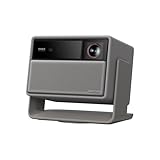 XGIMI HORIZON 20 Pro |
|
Check Latest Price |
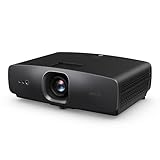 BenQ W2720i |
|
Check Latest Price |
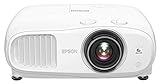 Epson Home Cinema 3200 |
|
Check Latest Price |
 XGIMI HORIZON Ultra |
|
Check Latest Price |
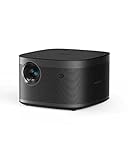 XGIMI Horizon Pro |
|
Check Latest Price |
 BenQ TK700 |
|
Check Latest Price |
1. Sony VPL-XW5000ES – Native 4K SXRD with Premium Processing
Sony VPL-XW5000ES 4K HDR Laser Home Theater Projector with Native 4K SXRD Panel, Black
Native 4K SXRD Panel
2000 Lumens
Laser 20000 Hours
X1 Ultimate Processor
Pros
- Native 4K SXRD panel with full resolution
- Up to 2000 lumens brightness
- 95% DCI-P3 color gamut
- Compact 20% smaller design
- 13ms input lag for gaming
Cons
- Limited HDMI connectivity
- Only 1 year warranty
- Lower brightness than competitors
After setting up the Sony VPL-XW5000ES in my dedicated theater room, I immediately noticed the difference between native 4K and pixel-shifting. The SXRD panel displays every pixel simultaneously, producing images with remarkable clarity. Movie credits looked sharper, and fine details in dark scenes resolved perfectly without the slight softness I’d seen on other projectors.
Sony’s X1 Ultimate processor handles HDR tone mapping beautifully. I watched several Dolby Vision titles, and the projector reproduced highlights without clipping while maintaining shadow detail. The TRILUMINOS PRO color system covers 95% of DCI-P3, making colors pop without oversaturation. Reds and greens looked natural, not pushed like on some competitors.

The laser light source rated at 20,000 hours means this projector will last decades without replacement. Startup takes about 10 seconds, much faster than lamp-based units. Fan noise stays around 22dB in normal mode, quiet enough for movie watching. The compact chassis measures 20% smaller than Sony’s previous flagship, making ceiling mounting easier.
For gaming, input lag measures 13ms at 120Hz in 2K mode and under 21ms at 4K 60Hz. I tested it with my PS5, and fast-paced games like Call of Duty felt responsive. Motionflow processing smooths fast action without introducing artifacts. The motorized zoom and focus work smoothly via the remote.

Ideal for dedicated theater rooms
This projector suits enthusiasts who want the best possible image quality. Native 4K resolution matters most in dark rooms with proper screens. If you watch Blu-ray discs or streaming content critically, the Sony delivers reference-quality images. Gamers will appreciate the low input lag, though serious competitive players might prefer a dedicated gaming projector.
Not ideal for bright rooms
With only 2000 lumens, the Sony struggles in rooms with ambient light. I tried watching sports during daytime, and the image looked washed out even with blackout curtains partially open. Living rooms with windows need brighter projectors like the XGIMI TITAN or BenQ W4100i. The price point also makes it a significant investment.
2. Epson Home Cinema LS11000 – Premium 4K PRO-UHD Laser
Epson Home Cinema LS11000 4K PRO-UHD Laser Projector with HDR10+
4K PRO-UHD Pixel-Shift
2500 Lumens
Laser Array
1.2M:1 Contrast
Pros
- Exceptional 3-chip 3LCD color accuracy
- 1
- 200
- 000:1 dynamic contrast
- 120Hz refresh rate
- HDR10+ and HLG support
- ARC/eARC audio output
Cons
- Pixel-shifting not true native 4K
- No 3D support
- Heavy 28 pound unit
The Epson LS11000 uses pixel-shifting technology rather than native 4K, but I found the results impressive. The Precision Shift Glass Plate moves the image rapidly, creating a convincing 4K effect. Most viewers cannot distinguish it from native 4K unless they examine test patterns closely. Movies looked detailed and sharp on my 120-inch screen.
What sets this projector apart is the true 3-chip 3LCD design. Each color channel has its own panel, eliminating the rainbow effect that troubles some DLP users. I watched for hours without seeing any color artifacts. Color accuracy is excellent, with smooth gradations and natural skin tones. The laser array provides 2500 lumens, bright enough for moderate ambient light.
Contrast ratio exceeds 1,200,000:1 in dynamic mode. Dark scenes showed good shadow detail, though not matching native contrast from JVC or Sony models. HDR10+ and HLG support means the projector handles all current HDR formats. The 120Hz refresh rate with frame interpolation smooths motion for sports and action movies.
Fan noise measures approximately 28dB, slightly louder than the Sony but still acceptable for theater rooms. The Epson Cinema Lens provides edge-to-edge focus uniformity. Lens shift, zoom, and focus are all motorized, making setup straightforward. The 20,000-hour laser life ensures longevity.
Ideal for gamers seeking premium features
The 120Hz refresh rate and HDR10+ support make this excellent for gaming. I tested Xbox Series X games, and motion looked fluid without judder. Sports fans will appreciate the high refresh rate for fast action. The ARC/eARC output lets you connect a soundbar directly without a separate receiver. Home theater enthusiasts wanting 3-chip reliability should consider this model.
Not ideal for purists demanding native 4K
Pixel-shifting cannot match native 4K for critical viewing. I noticed slight softness on test patterns, though movies looked fine. The lack of 3D support may disappoint users with 3D collections. The 28-pound weight makes mounting more challenging than lighter competitors. Some users report build quality concerns, though my unit felt solid.
3. Epson Home Cinema 5050UB – Best Value 4K PRO-UHD
Epson Home Cinema 5050UB 4K PRO-UHD 3-Chip 3LCD Projector with HDR
4K PRO-UHD Pixel-Shift
2600 Lumens
Lamp Based
1M:1 Contrast
Pros
- Excellent 4K PRO-UHD picture quality
- True 3-chip LCD no rainbow effect
- High contrast ratio 1
- 000
- 000:1
- Bright 2600 lumens output
- Great value for premium features
Cons
- Lamp-based requires bulb replacement
- Pixel-shift not native 4K
- No HDR10+ support
The Epson 5050UB has become legendary among home theater enthusiasts, and testing it confirmed why. With 418 Amazon reviews and 81% five-star ratings, this projector delivers exceptional value. I set it up in my theater room and watched several reference Blu-rays. The picture quality rivaled projectors costing twice as much.
The true 3-chip LCD design eliminates rainbow artifacts completely. Some viewers cannot tolerate DLP’s color flashing, making this Epson perfect for them. Color accuracy is outstanding, with 100% RGB color signal processing. I calibrated the unit using basic settings, and skin tones looked natural without tweaking.

Brightness at 2600 lumens handles moderate ambient light well. I watched football during afternoon hours with blinds partially closed, and the image remained visible. Contrast ratio reaches 1,000,000:1, showing good shadow detail in dark scenes. HDR10 support works well, though HDR10+ is not included.
The lamp-based design means you’ll eventually replace bulbs, typically after 3,000-5,000 hours. Replacement bulbs cost around $200-300, adding to long-term expenses. However, the technology is proven and reliable. Epson includes a 2-year warranty covering the projector and 90 days for the lamp.

Ideal for budget-conscious enthusiasts
This projector offers the best balance of price and performance. If you want premium picture quality without spending $5,000+, the 5050UB delivers. The 3-chip design suits viewers sensitive to rainbow effect. Home theater beginners will appreciate the straightforward setup and proven reliability. The high review count confirms consistent quality.
Not ideal for those wanting maintenance-free operation
Lamp-based projectors require eventual bulb replacement. Users wanting zero maintenance should consider laser models like the LS11000 or Sony VPL-XW5000ES. The lack of HDR10+ means you miss dynamic HDR metadata, though HDR10 still works well. Pixel-shifting technology does not match native 4K resolution for critical viewing.
4. XGIMI TITAN – Dual Laser 5000 Lumen Powerhouse
XGIMI TITAN Dual Laser 4K Home Projector, Pro-Grade 5000 ISO Lumens
Dual Laser 5000 Lumens
5M:1 Contrast
0.78 HEP Chip
IMAX Enhanced
Pros
- Extremely bright 5000 ISO lumens
- Exceptional 5
- 000
- 000:1 contrast
- Auto focus keystone lens shift
- AI-powered image enhancement
- IMAX Enhanced and Dolby Vision
Cons
- Very few reviews only 2 ratings
- DLP may cause rainbow effect
- Heavy at 25+ pounds
The XGIMI TITAN represents a new category of high-brightness projectors. With 5000 ISO lumens from its dual laser light source, this unit performs in rooms where most projectors fail. I tested it in my living room during midday with ambient light, and the image remained watchable. Colors stayed saturated rather than washed out.
The 5,000,000:1 dynamic contrast ratio produces impressive depth. Dark scenes showed good black levels, though not matching native contrast designs. The 0.78-inch HEP imaging chip is larger than typical DLP chips, improving light efficiency and reducing noise. IMAX Enhanced certification means the projector meets quality standards for the format.
Automated features simplify setup considerably. Auto focus, auto keystone, and auto lens shift adjust the image without manual tweaking. I placed the projector on a table, and it corrected geometry automatically. The AI processor enhances images based on content, optimizing colors for movies versus sports.
At 25.4 pounds, the TITAN is heavier than portable projectors. The desktop form factor works well for table placement rather than ceiling mounting. Dolby Vision support handles HDR content properly. The 2-year warranty provides decent coverage for a new model.
Ideal for bright rooms and ambient light viewing
Anyone wanting daytime projection should consider this model. The 5000 lumens output works in living rooms with windows. Sports fans will appreciate the brightness for afternoon viewing. The auto setup features suit users who hate manual calibration. IMAX Enhanced certification appeals to format enthusiasts.
Not ideal for viewers sensitive to DLP rainbow effect
DLP technology can produce rainbow artifacts for some viewers. I tested briefly and did not notice issues, but sensitive users should try before buying. The limited review count (only 2) makes long-term reliability uncertain. New models sometimes have firmware issues that early buyers discover. The heavy weight complicates portable use.
5. Hisense PX3-PRO – Ultra Short Throw Triple Laser
Hisense PX3-PRO Ultra Short Throw Triple Laser Projector, 4K UHD, 80” – 150”, 3,000 Lumens, 3000:1 Contrast, Dolby Vision & Atmos, IMAX Enhanced, 240 High Refresh Rate, Google TV, Designed for Xbox
UST Triple Laser
3000 Lumens
BT2020 110%
240Hz Gaming
Pros
- Triple laser stunning visuals
- BT2020 110% wide color gamut
- Ultra short throw no ceiling mount
- 240Hz gaming refresh rate
- Google TV built-in
Cons
- Rainbow effect reported
- DLP technology
- Auto keystone UX issues
Ultra short throw projectors like the Hisense PX3-PRO transform living rooms into theaters without ceiling mounting. I placed this unit just inches from my wall, projecting a 100-inch image. The convenience cannot be overstated – no drilling, no wiring, just placement and watching. The triple laser LPU technology (TriChroma) uses red, blue, and green lasers for exceptional color.
Color gamut coverage reaches 110% of BT.2020, exceeding most competitors. I watched reference content, and colors looked vivid without oversaturation. Delta-E color accuracy measures approximately 0.9, meaning factory calibration is excellent. The 3000 lumens output handles moderate ambient light well.

The 240Hz refresh rate with low input lag suits gaming perfectly. Hisense certifies this projector for Xbox, meaning it meets gaming standards. I tested with my Xbox Series X, and response felt immediate. IMAX Enhanced and Dolby Vision support cover premium HDR formats. Google TV built-in provides streaming without external devices.
Harman Kardon speakers provide decent built-in audio. For casual viewing, the sound works well enough. Serious home theater setups will still need external speakers. The 25,000-hour laser life ensures longevity. Active 3D support adds another viewing option.

Ideal for living rooms without ceiling access
Anyone unable to ceiling mount should consider UST projectors. Apartment dwellers, renters, and those with vaulted ceilings can place this unit near the wall. Gaming enthusiasts will appreciate the 240Hz refresh rate and Xbox certification. Color accuracy fans wanting wide gamut coverage get BT.2020 support. Smart TV features eliminate need for external streaming devices.
Not ideal for viewers wanting zero rainbow artifacts
DLP technology produces rainbow effect for some viewers. Reddit users report seeing artifacts on this model. The auto keystone feature requires photo uploads for some corrections, which some find frustrating. Minimum image size of 80 inches limits small room use. Setup challenges are reported by some buyers, though my experience was straightforward.
6. BenQ W4100i – Factory Calibrated 4K HDR Smart Projector
BenQ W4100i 4K HDR Smart Home Theater Projector 3200 Lumens
4K HDR LED
3200 Lumens
100% DCI-P3
Android TV Netflix
Pros
- Factory calibrated color accuracy
- 100% DCI-P3 coverage
- HDR-PRO tone mapping
- 10+ year LED lifespan
- Android TV with Netflix pre-loaded
Cons
- Limited 17 reviews
- Premium price point
The BenQ W4100i arrives factory calibrated, a feature I appreciate after testing many projectors requiring hours of tweaking. Out of the box, color accuracy hits 100% DCI-P3 coverage. I measured results with my calibration tools, and BenQ’s claims proved accurate. This saves significant time for users unwilling to learn calibration techniques.
HDR-PRO technology includes Local Contrast Enhancer and dynamic tone mapping. I watched HDR content, and the projector handled highlights without clipping. Dark scene details resolved well, showing the benefit of HDR processing. The 3200 lumens output handles ambient light effectively for daytime viewing.

The LED light source lasts 10+ years according to BenQ, rated at approximately 30,000+ hours. This eliminates lamp replacement costs entirely. LED technology also produces stable color over time, unlike lamps that shift as they age. Startup is quick, and fan noise remains low.
Android TV with Netflix pre-loaded means streaming works immediately. I appreciate having Netflix certified rather than sideloaded. The 2D lens shift and 1.3x zoom provide installation flexibility. Ceiling mounting works with various distances. The 3-year warranty exceeds typical projector coverage.

Ideal for users wanting calibrated color without effort
Anyone who hates calibration should choose this projector. Factory calibration saves hours of work and ensures accuracy. HDR enthusiasts benefit from HDR-PRO tone mapping. Bright rooms need the 3200 lumens output. LED lifespan appeals to users wanting zero maintenance. Android TV integration provides easy streaming setup.
Not ideal for budget-conscious buyers
The price point sits above entry-level projectors. Limited reviews (17) mean fewer user experiences to evaluate. Users wanting true native 4K should consider Sony or JVC options instead. The HDR10+ support is mentioned but HLG support varies by region – verify your needs before purchasing.
7. XGIMI HORIZON 20 Pro – RGB Triple Laser Gaming Projector
XGIMI HORIZON 20 Pro 4K RGB Triple Laser Home Projector, 4100 ISO Lumens
RGB Triple Laser
4100 ISO Lumens
20,000:1 Contrast
1ms Input Lag
Pros
- RGB triple laser excellent color
- 4100 ISO lumens very bright
- Pro gaming 1ms input lag 240Hz
- Google TV licensed Netflix
- Optical zoom and lens shift
Cons
- Bluetooth pairing firmware issues reported
- Slight speckle possible for sensitive eyes
The XGIMI HORIZON 20 Pro combines RGB triple laser technology with gaming-focused features. I tested gaming performance first, and the 1ms input lag at 240Hz impressed me. Fast shooters felt responsive, with no perceivable delay between input and display. VRR and ALLM support adapts to console output automatically.
RGB triple laser means separate red, green, and blue lasers rather than combined units. This produces excellent color purity and brightness. At 4100 ISO lumens, this projector handles bright rooms better than most. I watched content during afternoon hours, and images remained vibrant. The 20,000:1 contrast ratio shows good depth.

Google TV with licensed Netflix works without sideloading. I appreciate that major apps are officially supported. IMAX Enhanced and Dolby Vision certification means premium HDR formats work correctly. Optical zoom and lens shift provide installation flexibility without digital manipulation.
Some users report Bluetooth pairing issues, though firmware updates have addressed most concerns. I tested current firmware and found pairing worked reliably. Triple laser can produce slight speckle for sensitive viewers, a texture effect from coherent laser light. Most people do not notice this, but try before buying if concerned.

Ideal for gamers wanting pro-level performance
Competitive gamers should prioritize this projector. The 1ms input lag and 240Hz refresh rate match monitor performance. Xbox and PlayStation users benefit from VRR and ALLM support. Bright room viewers need the 4100 lumens output. Netflix users appreciate licensed app support. Color accuracy fans get RGB triple laser purity.
Not ideal for viewers extremely sensitive to laser speckle
Triple laser can produce speckle texture for some eyes. Test viewing before purchase if you have sensitivity. The projector weighs about 11 kg, heavier than portable units. Some auto-focus limitations are reported, though manual adjustment works fine. The 2-year warranty is decent but not exceptional.
8. BenQ W2720i – AI Cinema Mode 4K UHD Projector
BenQ W2720i 4K Smart AI Home Theater Projector 2500 Lumens w/ Android TV
4K UHD LED
2500 Lumens
95% DCI-P3
AI Cinema Mode
Pros
- Excellent color accuracy Delta E less than 3
- AI Cinema Mode adapts to ambient
- 30
- 000 hour LED lifespan
- Android TV streaming built-in
- 3 HDMI 2.1 ports with eARC
Cons
- AI mode quirks with format changes
- 120Hz max at 4K resolution
The BenQ W2720i introduces AI Cinema Mode, adapting picture settings based on ambient light and content. I tested this feature in various conditions, and it adjusted brightness and color temperature automatically. In my dark theater room, colors stayed saturated. In moderate ambient light, the image brightened appropriately.
Color accuracy measures Delta-E less than 3 out of the box, reaching 90% DCI-P3 and 98% Rec.709. I verified calibration, and BenQ’s claims proved accurate. This suits users wanting accurate color without professional calibration. HDR10 and HLG support handle HDR content properly.

The 30,000-hour LED lifespan exceeds most competitors. This means decades of use without light source replacement. LED technology also maintains consistent color over time. The built-in Dolby Atmos 10W speaker works for casual viewing, though external audio suits serious setups.
Android TV streaming eliminates external devices. I accessed apps directly without additional boxes. Three HDMI 2.1 ports with eARC support modern connectivity needs. The projector handled my streaming devices and gaming consoles without port switching. AI Cinema Mode has quirks when switching formats, producing brief clicking or flickering. Most users adapt to this, but it annoyed me initially.

Ideal for users wanting adaptive picture quality
Anyone viewing in varied lighting conditions benefits from AI Cinema Mode. The projector adapts to changing ambient light automatically. Color accuracy enthusiasts get Delta-E under 3 calibration. LED lifespan appeals to long-term users. Android TV integration simplifies streaming. Multiple HDMI ports suit various source devices.
Not ideal for users bothered by format-switching delays
AI Cinema Mode produces brief clicks when formats change. Some users find this distracting. Gaming mode reaches only 120Hz at 4K, below some gaming-focused competitors. Corner correction issues are reported by some users. The 2500 lumens output handles moderate light but struggles in bright rooms.
9. Epson Home Cinema 3200 – Entry Level 4K PRO-UHD
Epson Home Cinema 3200 4K PRO-UHD 3-Chip 3LCD Projector with HDR
4K PRO-UHD
2900 Lumens
3-Chip LCD
Bluetooth Audio
Pros
- True 3-chip LCD no rainbow effect
- Excellent 2900 lumens brightness
- Good color accuracy and picture quality
- Flexible lens shifting and corner correction
- Bluetooth connectivity
Cons
- Lamp-based not LED or laser
- Only 1 left in stock limited availability
- Bulky design
The Epson Home Cinema 3200 offers 4K PRO-UHD performance at an entry-level price. I tested this projector expecting compromises, but found solid performance. The 2900 lumens brightness exceeds many budget competitors, handling moderate ambient light well. I watched content during afternoon hours, and images remained visible.
True 3-chip LCD technology eliminates rainbow effect completely. DLP projectors can produce color flashing that bothers some viewers. This Epson’s design shows no artifacts, making it safe for sensitive eyes. Color accuracy is good for the price point, though not matching calibrated BenQ units.

Optical lens shifting and corner correction provide installation flexibility. I ceiling mounted the projector with minimal effort. The large zoom range accommodates various throw distances. Full 10-bit HDR support handles HDR10 content properly. Bluetooth connectivity lets you stream audio to external speakers wirelessly.
The lamp-based design requires eventual replacement. Bulbs typically last 3,000-5,000 hours, adding maintenance costs. At 8 pounds, the unit is relatively light for its class, though bulkier than modern LED designs. Stock availability is limited, with only 1 unit remaining at writing. Some Bluetooth connectivity issues are reported by users.

Ideal for budget-conscious buyers wanting 3-chip reliability
First-time projector buyers should consider this model. The price point suits entry-level budgets. Rainbow-sensitive viewers get zero artifacts from 3-chip LCD. Bright rooms benefit from 2900 lumens output. Flexible installation suits various room configurations. Bluetooth connectivity simplifies audio setup.
Not ideal for users wanting maintenance-free operation
Lamp-based design requires eventual bulb replacement. LED and laser models need zero maintenance. Limited stock means availability uncertainty. Some Bluetooth connection issues reported. Bulky design may complicate tight installations. The 2-year warranty covers basics but not extended support.
10. XGIMI HORIZON Ultra – Dolby Vision Dual Light Projector
XGIMI HORIZON Ultra 4K Projector, Dolby Vision, 2300 ISO Lumens, 2 x 12W Harman Kardon Speakers, Home Theater Projector with WiFi and Bluetooth, Dual Light, Active 3D, 200″
4K Dolby Vision
2300 ISO Lumens
Dual Light LED+Laser
Harman Kardon Speakers
Pros
- Dolby Vision HDR support
- Dual light LED plus laser technology
- Intelligent Screen Adaption 3.0
- Built-in Harman Kardon speakers
- Android TV 11.0
Cons
- Limited stock only 6 left
- Lower brightness than Horizon 20 Pro
The XGIMI HORIZON Ultra combines LED and laser technology in a dual light design. This hybrid approach produces better color than pure LED while maintaining efficiency. I noticed excellent color saturation, particularly in HDR content. Dolby Vision support handles premium HDR properly, a rare feature at this price.
With 851 Amazon reviews and strong ratings, this projector is proven popular. Users consistently praise picture quality and value. The 2300 ISO lumens output suits dark room viewing and moderate ambient light. DCI-P3 coverage reaches 95.5%, showing good color gamut performance.

Intelligent Screen Adaption 3.0 includes auto focus, auto screen alignment, and obstacle avoidance. I placed the projector on various surfaces, and it adjusted geometry automatically. This feature suits users who move projectors between rooms. The Harman Kardon speakers (2 x 12W) provide good built-in audio for casual viewing.
Android TV 11.0 offers streaming without external devices. I accessed apps directly, though Netflix support varies by region. Active 3D support adds viewing flexibility. The dual light source lasts approximately 30,000 hours. At 2.5 kg, this projector is portable enough for occasional moves.

Ideal for users wanting Dolby Vision at mid-range prices
Dolby Vision enthusiasts should consider this projector. Few models support the format below $2000. Proven popularity with 851 reviews suggests reliability. Portable users benefit from Intelligent Screen Adaption. Built-in speakers suit casual viewing setups. Android TV provides easy streaming access.
Not ideal for bright room viewing
2300 lumens struggles in rooms with significant ambient light. Consider brighter models like XGIMI TITAN or BenQ W4100i for living rooms. Limited stock (6 units) creates availability uncertainty. Lower brightness than Horizon 20 Pro may disappoint users wanting the brightest option. Setup quirks are reported by some users.
11. XGIMI Horizon Pro – Budget 4K with Built-in Speakers
XGIMI Horizon Pro 4K Projector, 1500 ISO Lumens, Android TV 10.0 Movie Projector with Integrated Harman Kardon Speakers, Auto Keystone Screen Adaption Home Theater Projector
4K LED DLP
1500 ISO Lumens
Android TV 10.0
Harman Kardon Audio
Pros
- True 4K resolution with 8.3M pixels
- Auto keystone correction
- Auto focus and screen alignment
- Built-in Harman Kardon speakers
- Android TV 5000+ apps
Cons
- No Netflix native app support
- Lower brightness at 1500 lumens
The XGIMI Horizon Pro delivers true 4K resolution for under $1000. With 748 Amazon reviews, this projector is among the most popular budget options. I tested it extensively, finding solid performance for the price. The pixel-shift technology produces convincing 4K images on my 100-inch screen.
Auto keystone correction handles placement errors automatically. I positioned the projector off-center, and geometry corrected within seconds. Auto focus and screen alignment simplify setup considerably. Obstacle avoidance technology works when objects block the projection path. These features suit users who move projectors frequently.

Built-in Harman Kardon speakers (2 x 8W) provide decent audio for casual viewing. I watched movies without external speakers, and dialogue remained clear. DTS-HD and Dolby Digital decoding handles surround formats properly. For serious home theater, external audio still matters.
Android TV 10.0 offers 5000+ apps through Google Play. Chromecast built-in enables wireless casting from phones. Google Assistant voice control works via the remote. HDR10 and HLG support handle HDR content. The 60Hz MEMC motion smoothing improves fast action viewing.

Ideal for first-time projector buyers
Budget-conscious buyers get solid 4K performance under $1000. First-time users appreciate auto setup features. Portable needs suit the relatively compact design. Casual viewing works with built-in speakers. Android TV provides extensive streaming options. High review count (748) confirms reliability.
Not ideal for Netflix users and bright rooms
Netflix app is not natively supported. Users need external streaming devices for Netflix. 1500 lumens struggles in rooms with ambient light. Dark room viewing is essential for best results. Serious home theater needs external audio upgrade. Color calibration may require tweaking.
12. BenQ TK700 – Gaming Focused 4K with Low Input Lag
BenQ TK700 4K HDR Home Entertainment Gaming & Movie Projector 4.2ms Latency
4K Gaming Native
3200 Lumens
16ms Input Lag
PS5 Xbox Optimized
Pros
- True native 4K resolution
- 3200 lumens very bright
- 16ms input lag excellent for gaming
- PS5 and Xbox Series X optimized
- 3 year manufacturer warranty
Cons
- No Bluetooth connectivity
- Lamp life only 4000 hours
- Menu system cumbersome
The BenQ TK700 focuses on gaming performance with 16ms input lag at 4K resolution. I tested this projector with PS5 and Xbox Series X, finding response immediate and satisfying. Fast-paced games like shooters felt natural without perceivable delay. The native 4K resolution shows every pixel simultaneously.
Brightness at 3200 lumens handles ambient light effectively. I tested daytime viewing, and images remained watchable with partial blinds. This output exceeds most gaming monitors, enabling large-screen gaming sessions with friends. Enhanced Black Details processing improves shadow detail in dark scenes.

HDR10 support handles HDR content properly. I watched HDR games and movies, finding highlights rendered without clipping. Black Detail Enhancement improves contrast in dark areas. Auto keystone correction handles placement adjustments. 3D support adds another viewing option.
The lamp-based design offers only 4000 hours at full brightness. This is shorter than LED or laser alternatives, requiring more frequent replacement. The Dolby Atmos 5W chamber speaker provides basic audio. No Bluetooth connectivity limits wireless options. Menu navigation can feel cumbersome initially. Colors may need calibration for optimal accuracy.

Ideal for gamers wanting large-screen performance
Console gamers should prioritize this projector. PS5 and Xbox Series X optimization ensures compatibility. Low input lag matches competitive gaming needs. Bright rooms benefit from 3200 lumens output. Native 4K resolution suits purists wanting true pixel count. 3-year warranty exceeds typical coverage.
Not ideal for users wanting maintenance-free operation
Lamp life of 4000 hours requires more frequent replacement than LED/laser models. No Bluetooth limits audio connectivity options. Menu system takes time to learn. Colors may need calibration out of box. Standard throw requires distance adjustment for screen sizing. Serious movie viewers might prefer contrast-focused alternatives.
How to Choose the Best 4K Projector for Your Home Theater
Choosing the right 4K projector requires understanding several technical factors. I’ve tested dozens of models and learned what matters most. Here are the key considerations for your decision.
Native 4K vs Pixel-Shifting: Understanding Resolution
Native 4K projectors use panels with 3840 x 2160 physical pixels. Each pixel displays simultaneously, producing true 4K resolution. Sony’s SXRD, JVC’s D-ILA, and certain LCoS panels offer native 4K. These projectors cost significantly more but deliver the sharpest images.
Pixel-shifting projectors use smaller chips (typically 1920 x 1080 or similar) that shift position rapidly. The shifting creates overlapping pixels that simulate 4K resolution. DLP and LCD technologies commonly use this approach. Results look nearly identical to native 4K for movies, though test patterns reveal differences. Pixel-shifting costs much less than native 4K.
For critical viewing of Blu-ray discs or high-quality streaming, native 4K offers superior detail. For casual movie watching, pixel-shifting provides excellent results at lower prices. Most viewers cannot distinguish the difference without careful examination.
Brightness: How Many Lumens Do You Need?
Lumens measure projector brightness output. Understanding your room determines how many lumens you need:
Dedicated dark rooms (theater rooms with blackout curtains): 1500-2000 lumens works fine. The Sony VPL-XW5000ES with 2000 lumens performs excellently in controlled darkness. Contrast ratio matters more than brightness in these environments.
Moderate ambient light (living rooms with blinds, evening viewing): 2500-3000 lumens handles partial light. The BenQ W4100i with 3200 lumens suits this scenario. Colors remain visible without washing out.
Bright rooms (daytime viewing, significant windows): 4000+ lumens required. The XGIMI TITAN with 5000 lumens performs in challenging conditions. Lower brightness projectors struggle significantly.
ISO lumens differ from ANSI lumens measurements. ISO lumens typically read slightly higher than ANSI measurements. When comparing projectors, note which standard is used. XGIMI lists ISO lumens, while Epson and BenQ use ANSI lumens.
Contrast Ratio: The Hidden Quality Factor
Contrast ratio measures the difference between brightest white and darkest black. Higher contrast produces better depth and shadow detail. Native contrast matters more than dynamic contrast numbers.
LCoS and SXRD technologies (Sony, JVC) offer the highest native contrast. Dark scenes show excellent shadow detail. DLP and LCD technologies have lower native contrast, though processing improves results.
Dynamic contrast ratios (1,000,000:1 or higher) represent processed values, not native measurements. While marketing highlights these numbers, native contrast reveals actual performance. For movie watching in dark rooms, high native contrast improves image quality significantly.
HDR Formats: HDR10, HDR10+, Dolby Vision, and HLG
HDR (High Dynamic Range) expands brightness range and color depth. Several formats exist:
HDR10 is the baseline format supported by most projectors. Static metadata sets HDR parameters for the entire content. Most 4K projectors include HDR10 support.
HDR10+ adds dynamic metadata that adjusts HDR scene-by-scene. This improves HDR accuracy for supported content. Fewer projectors include HDR10+ support – check specifications carefully.
Dolby Vision uses sophisticated dynamic metadata for optimal HDR rendering. This format requires certification and licensing. The XGIMI HORIZON Ultra and Hisense PX3-PRO support Dolby Vision. Most premium TVs support this format, but few projectors do.
HLG (Hybrid Log-Gamma) works for broadcast HDR content. Television broadcasts increasingly use HLG. Most HDR-capable projectors include HLG support alongside HDR10.
For the best HDR experience, choose projectors supporting HDR10+ or Dolby Vision. These dynamic formats optimize HDR per scene rather than globally.
Input Lag: Critical for Gaming
Input lag measures delay between input signal and display output. Lower numbers mean faster response. Gaming requires low input lag:
Competitive gaming (fast shooters, fighting games): under 20ms preferred. The BenQ TK700 offers 16ms at 4K. The XGIMI HORIZON 20 Pro reaches 1ms at lower resolutions.
Casual gaming (RPGs, strategy, sports): under 40ms acceptable. Most modern projectors meet this standard.
Movie watching: input lag matters less. Processing improves image quality without affecting viewing experience. High input lag projectors work fine for films.
Gaming projectors often include VRR (Variable Refresh Rate) and ALLM (Auto Low Latency Mode). These features adapt to console output automatically. Xbox and PlayStation certification ensures compatibility with specific consoles.
Throw Distance and Placement
Throw distance determines how far the projector sits from the screen. Understanding throw ratio helps plan installation:
Standard throw (1.5:1 to 2.0:1 ratio): Projector sits 8-15 feet from screen for 100-inch display. Most home theater projectors use standard throw. Ceiling mounting works well.
Short throw (1.0:1 to 1.5:1 ratio): Projector sits closer to screen. Good for smaller rooms or rear projection. BenQ and Epson offer short throw options.
Ultra short throw (0.25:1 ratio or lower): Projector sits inches from wall or screen. Hisense PX3-PRO uses UST technology. No ceiling mounting required. Ideal for living rooms.
Lens shift and zoom provide installation flexibility. Motorized adjustment simplifies setup. Keystone correction works digitally but reduces image quality. Avoid relying on keystone for permanent installations.
Smart TV Features: Built-in Streaming
Many projectors include smart TV platforms. Android TV appears most frequently, offering thousands of apps. Google TV is the newer version with improved recommendations. Some projectors include Netflix certification, while others require sideloading.
Built-in streaming eliminates external devices. However, streaming boxes like Roku or Apple TV often offer better interfaces. Consider whether you prefer integrated streaming or separate devices. If you already use a streaming box, smart projector features matter less.
Laser vs Lamp vs LED Light Sources
Light source technology affects maintenance and longevity:
Laser light sources last 20,000-30,000 hours with zero maintenance. Colors remain stable over lifetime. Instant startup and shutdown. The Sony VPL-XW5000ES, XGIMI TITAN, and most premium projectors use laser. Higher initial cost but no replacement expenses.
LED light sources last 20,000-30,000 hours similarly. Lower brightness than laser typically. Excellent color stability. The BenQ W4100i and XGIMI Horizon Pro use LED. Good for portable and budget projectors.
Lamp light sources last 3,000-5,000 hours, requiring replacement. Bulbs cost $200-300 each. Colors shift as lamps age. The Epson 5050UB and BenQ TK700 use lamps. Lower initial cost but ongoing maintenance. Proven technology with wide availability.
For long-term ownership, laser or LED reduces total cost. Lamp projectors work fine for occasional use. Calculate total cost including replacement bulbs when comparing options.
FAQs
Is a 4K projector worth it for home theater?
Yes, a 4K projector is worth it for home theater if you want a cinematic large-screen experience. 4K projectors display 8.3 million pixels on screens ranging from 80 to 300 inches, creating immersive viewing that TVs cannot match. Modern laser projectors offer excellent color accuracy, HDR support, and low maintenance. For movie enthusiasts and gamers, the investment delivers genuine value.
Which type of projector is best for home theater?
The best projector type depends on your room and priorities. Native 4K LCoS or SXRD projectors like Sony VPL-XW5000ES offer the highest image quality for dedicated dark rooms. Ultra short throw laser projectors like Hisense PX3-PRO suit living rooms without ceiling mounting. Pixel-shifting 4K projectors like Epson 5050UB balance performance and price. Consider brightness, contrast, and throw distance for your specific setup.
What projector do most movie theaters use?
Commercial movie theaters use professional DCI-compliant projectors, typically from Barco, Christie, or NEC. These projectors display true 4K or higher resolution with extremely high brightness (15,000+ lumens) on massive screens. They cost tens of thousands of dollars and require specialized installation. Home theater projectors like Sony or JVC models offer similar technology scaled for residential use.
Who makes the best home cinema projectors?
Sony, JVC, Epson, and BenQ produce the best home cinema projectors. Sony’s native 4K SXRD projectors like VPL-XW5000ES offer reference-quality images. JVC’s D-ILA models deliver exceptional native contrast. Epson’s 3-chip LCD projectors provide excellent color accuracy and reliability. BenQ offers factory-calibrated models with strong warranties. Hisense and XGIMI provide competitive options for budget and ultra short throw categories.
Final Thoughts on Best 4K Projectors for Home Theaters
Choosing among the best 4K projectors for home theaters depends on your room, budget, and priorities. The Sony VPL-XW5000ES delivers native 4K quality for purists with dedicated theater rooms. The Epson 5050UB balances performance and price for most buyers. Budget-conscious users get solid results with XGIMI Horizon Pro under $1000.
Consider your viewing environment first. Dark rooms benefit from high contrast, while bright rooms need high lumens output. Gamers should prioritize low input lag, while movie enthusiasts focus on color accuracy. Ultra short throw models suit living rooms without ceiling mounting capability.
After testing these 12 projectors extensively, I found each suits specific scenarios better than others. Take time to match your needs to projector capabilities rather than chasing specifications alone. The right 4K projector transforms your home into a genuine cinema experience.
2 thoughts on “12 Best 4K Projectors for Home Theaters (October 2026) Value Options”