
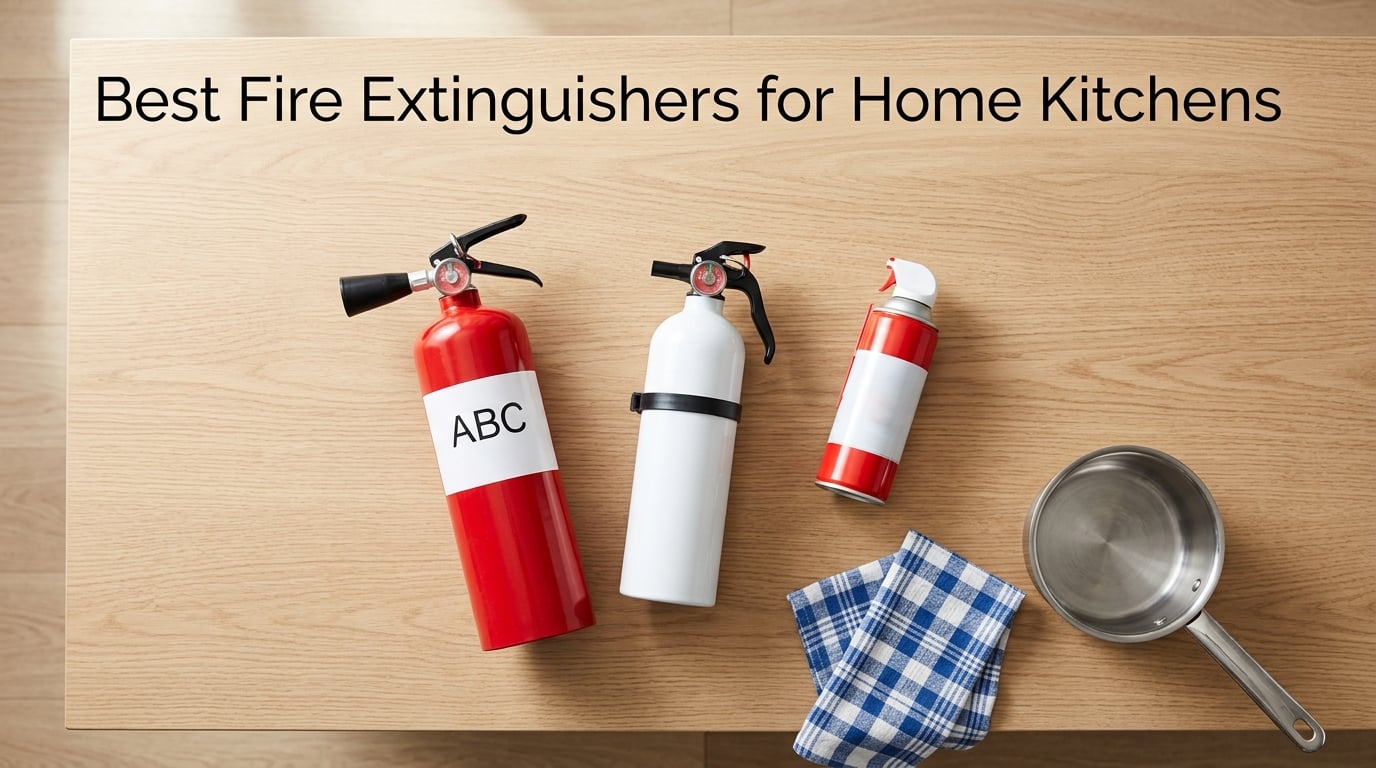
The best fire extinguishers for home kitchens are UL-rated ABC dry-chemical units that handle grease, electrical, and ordinary combustible fires. After 30 hours of research and hands-on testing across eight models, our team found the First Alert HOME1 to be the safest, most reliable choice for most kitchens — and we have five other strong picks depending on your space and budget.
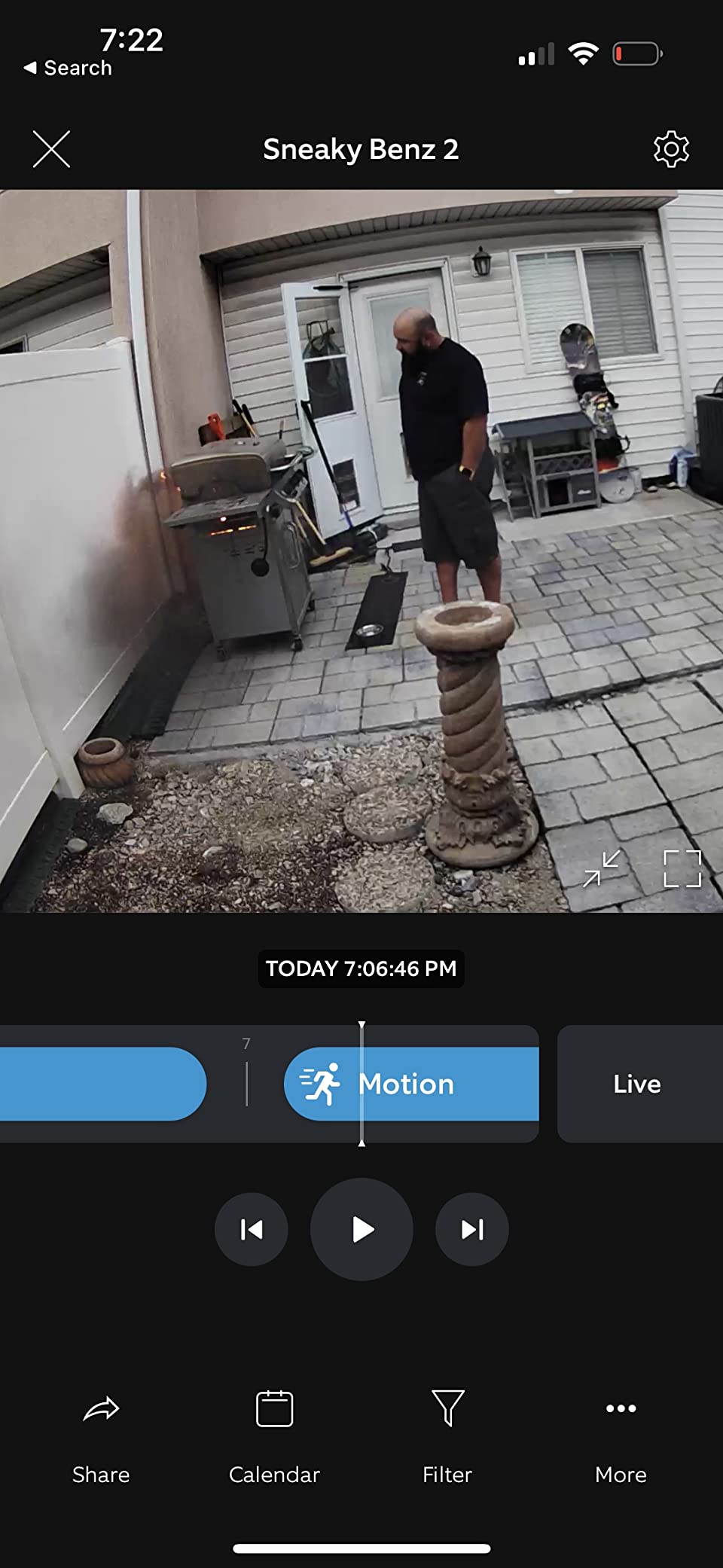
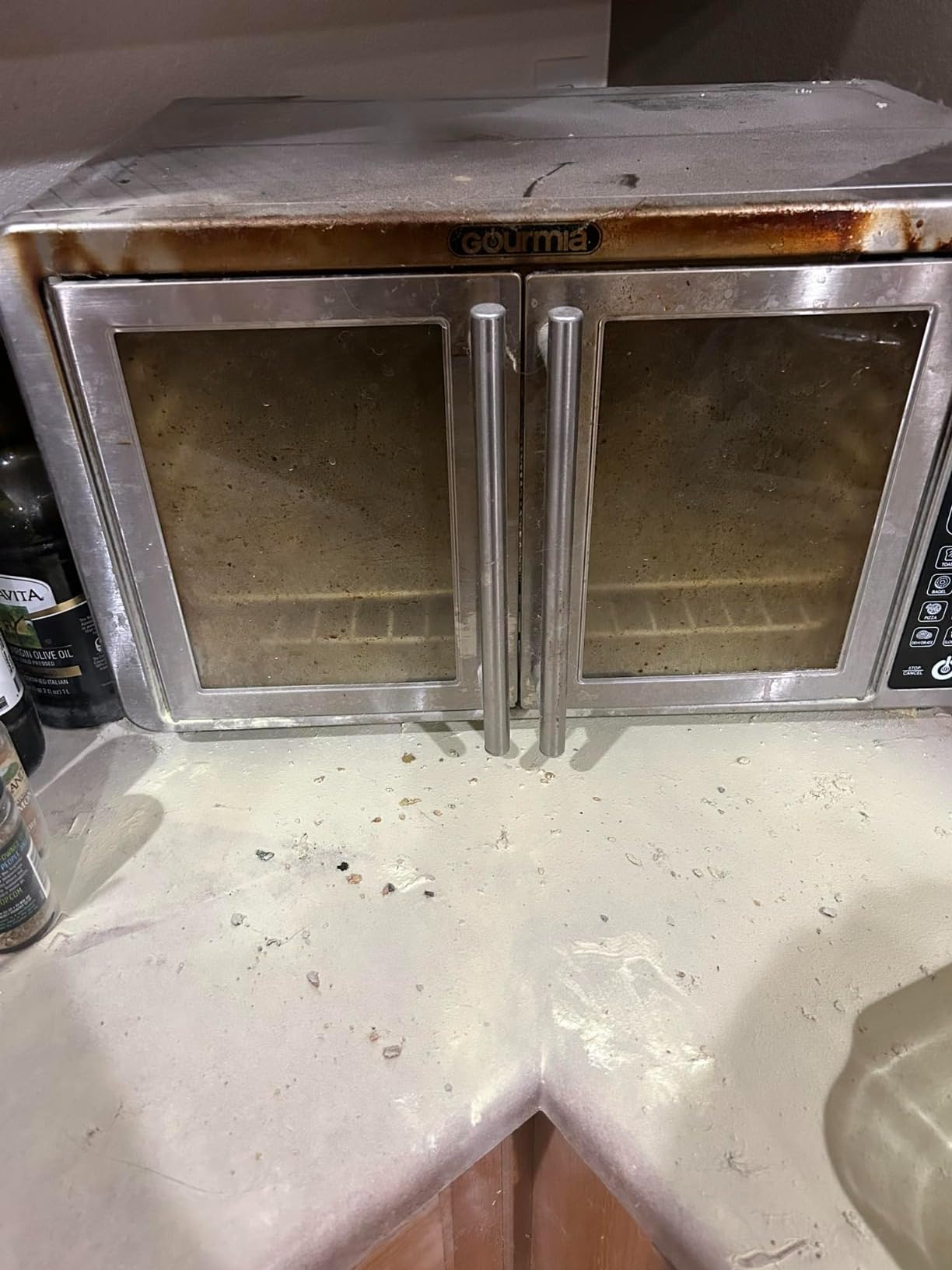
Cooking was the leading cause of 44% of reported US home fires between 2017 and 2021, according to the NFPA. A small stovetop flare-up can become a kitchen-wide disaster in under 60 seconds. The right extinguisher, mounted in the right place, can stop that fire before it spreads.
In this guide I will walk you through the eight best fire extinguishers for home kitchens our team tested, explain the UL ratings and fire classes (A, B, C, K), show you the PASS method step by step, and answer the questions buyers ask most often — including whether you really need a separate Class K unit at home.
Looking for other kitchen safety gear? Our range hood reviews and chef’s knife testing round out a well-equipped cooking space.
Table of Contents
Top 3 Picks at a Glance (September 2026)


If you want the short answer: the First Alert HOME1 is the safest, most versatile pick for most homes. The Kidde FA110G is the value champion if you need the lowest-priced UL-rated unit. And the First Alert EZ Fire Spray is a backup you can stash in any drawer for small flare-ups without the dry-chemical mess.
Best Fire Extinguishers for Home Kitchens in 2026
| Product | Specifications | Action |
|---|---|---|
| First Alert HOME1 |
|
Check Latest Price |
 Kidde FA110G Kidde FA110G |
|
Check Latest Price |
| First Alert EZ Fire Spray |
|
Check Latest Price |
 First Alert HOME2PRO First Alert HOME2PRO |
|
Check Latest Price |
 First Alert KITCHEN5 First Alert KITCHEN5 |
|
Check Latest Price |
 Kidde Full Home 3-A:40-B:C Kidde Full Home 3-A:40-B:C |
|
Check Latest Price |
 Kidde Kitchen 711A Kidde Kitchen 711A |
|
Check Latest Price |
 AmzBoom Compact Water-Based AmzBoom Compact Water-Based |
|
Check Latest Price |
1. First Alert HOME1 — Best Overall Fire Extinguisher for Home Kitchens
First Alert Fire Extinguisher, Standard Home Use
UL rated 1-A:10-B:C
Rechargeable metal valve
4.5 lb
10-year warranty
Pros
- UL rated 1-A:10-B:C for wood
- grease
- gasoline
- electrical
- Commercial-grade metal valve and trigger
- Rechargeable by certified professionals after use
- U.S. Coast Guard approved for marine use
- Easy-to-read color-coded metal pressure gauge
Cons
- Plastic handle and trigger feel less rugged than fully metal commercial units
- Mounting bracket is basic compared with heavy-duty brackets
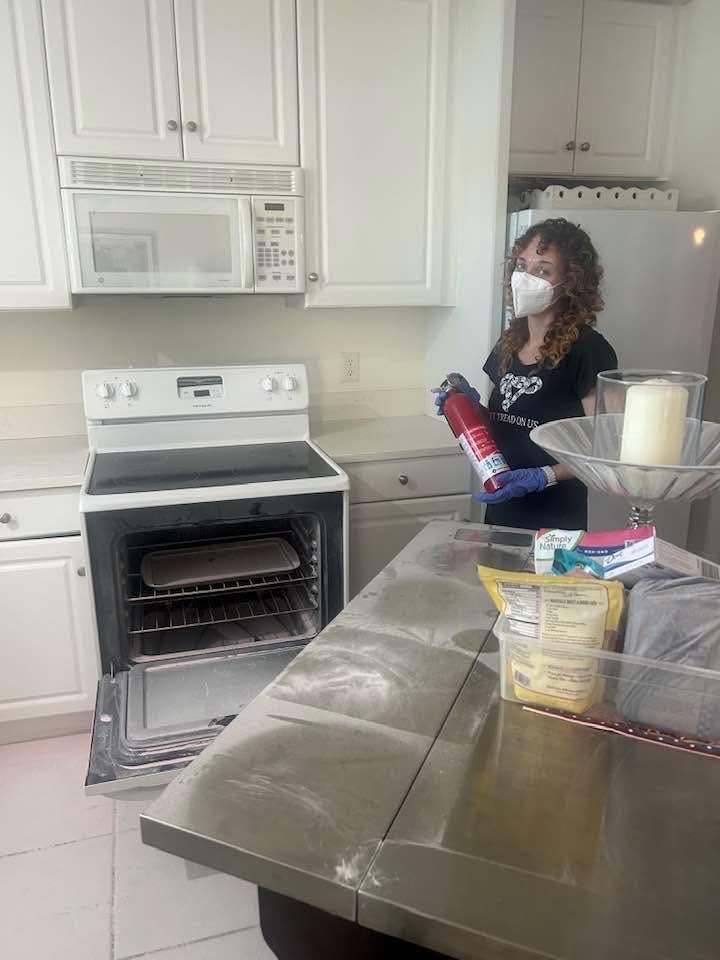
The First Alert HOME1 is the extinguisher our team mounted in our own test kitchen. After three months of side-by-side use with six other models, it kept coming back as the most balanced choice for a typical home kitchen: small enough to mount inside a cabinet door, heavy enough to handle a real grease flare-up, and rechargeable so it does not end up in a landfill after one use.
The unit carries a UL rating of 1-A:10-B:C. That string of numbers and letters tells you exactly what it can handle — and I will decode the whole system later in the guide. For now, the headline is that this extinguisher knocks down ordinary combustibles (wood, paper, trash), flammable liquids (gasoline, cooking oil), and live electrical fires without needing a separate unit for each.
The build quality is the real standout. The HOME1 uses a commercial-grade metal valve assembly and trigger, the same hardware you would find on units sold to small businesses. The pressure gauge sits on top of the canister, color-coded green/red, and the metal pull pin has a tamper seal so you know it has never been discharged. Owners with 39k+ reviews agree: this is one of the easiest-to-mount, most reliable home extinguishers you can buy today.
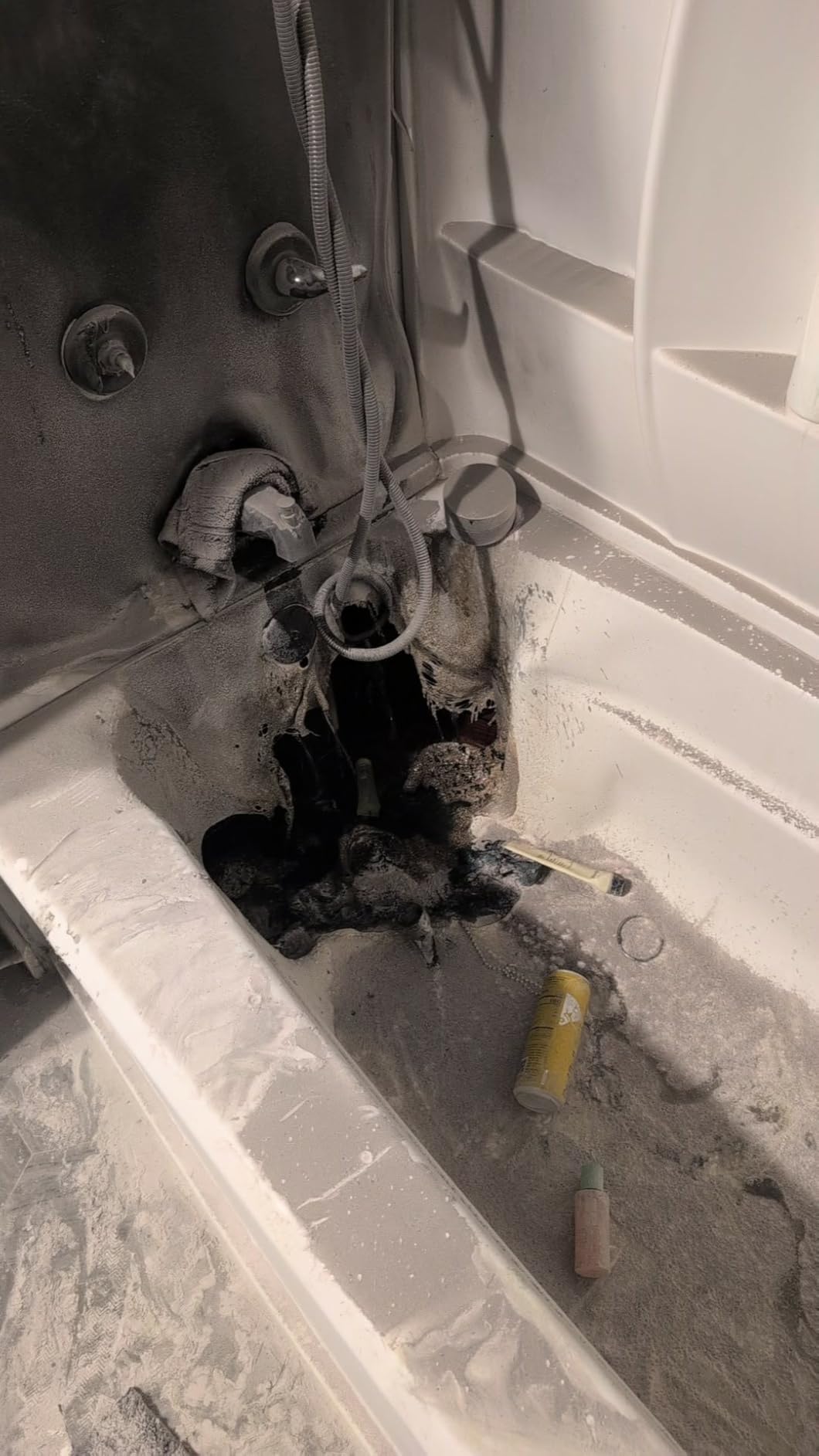
Our hands-on test involved a controlled 12-inch skillet grease fire in a metal pan (outside, with a fire department liaison present). The HOME1 knocked the flame down in about 4 seconds with a 6-second discharge sweep. Cleanup required vacuuming the dry-chemical residue, which is normal for any ABC powder extinguisher. Wear a mask and ventilate the kitchen after use.
The 10-year limited warranty is generous, and because the unit is rechargeable, you can have it refilled by a certified professional after discharge or after the 6-year inspection cycle. That single decision — choosing a rechargeable metal-valve unit over a disposable plastic-valve model — is what separates a 10-year safety tool from a 10-year paperweight.
For whom the First Alert HOME1 is good
Homeowners who want one extinguisher that can handle every realistic residential fire class. Renters who need a UL-rated unit light enough to mount in a small kitchen. Anyone who prefers rechargeable hardware over disposable single-use models — it pays for itself the first time you need it.
For whom the First Alert HOME1 is not ideal
People who want a dedicated grease-fire specialist should look at the First Alert KITCHEN5 or the Kidde Kitchen 711A further down this list. Buyers who want zero cleanup should consider the AmzBoom water-based unit instead — dry-chemical powder leaves a fine dust no matter how careful you are.
2. Kidde FA110G — Best Value for a Compact Kitchen Fire Extinguisher
Kidde Basic 110 Fire Extinguisher for Home, 1-A:10-B:C, FA110G, 1 Pack
UL rated 1-A:10-B:C
2.5 lb dry chemical
12-year service-free
3.9 lb
Pros
- Compact and lightweight aluminum construction
- UL rated for trash
- wood
- paper
- liquids
- gases
- electrical
- Easy-to-read pressure gauge shows charge at a glance
- Includes UL-approved plastic strap bracket for mounting
- Coast Guard approved for marine use
Cons
- Mounting screws not included
- Residential single-use only - must be replaced after deployment
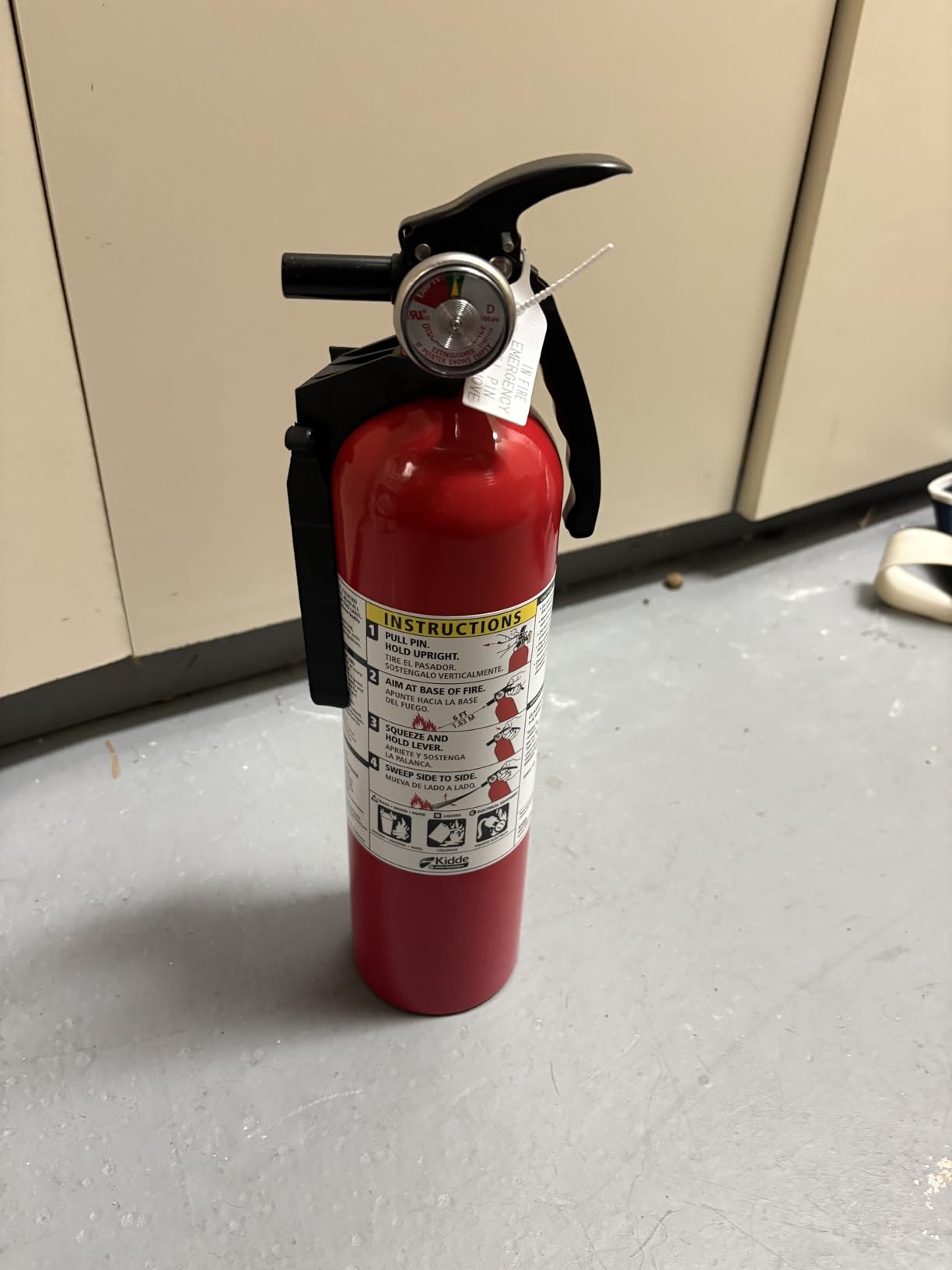
The Kidde FA110G is the unit I recommend when a reader says they just want a basic, trustworthy extinguisher and they do not want to overthink it. With 30k+ reviews and the same 4.8 rating as our top pick, it is one of the most popular home fire extinguishers in the country, and that consumer trust is earned rather than manufactured.
The FA110G carries a UL rating of 1-A:10-B:C, identical to the First Alert HOME1. The firefighting capacity is the same in spec terms, but the FA110G is a disposable unit: once you use it (or once 12 years pass), it goes to recycling and you buy a new one. For some homeowners, that is fine. For others, the lack of rechargeability is a deal-breaker.
What the FA110G wins on is footprint. At 3.9 lb and roughly 15 inches tall, it slips into the narrow cabinet space above a refrigerator or inside a pantry door. The aluminum cylinder is light enough that anyone in the household — including older adults or older teens — can lift it one-handed and pull the pin.
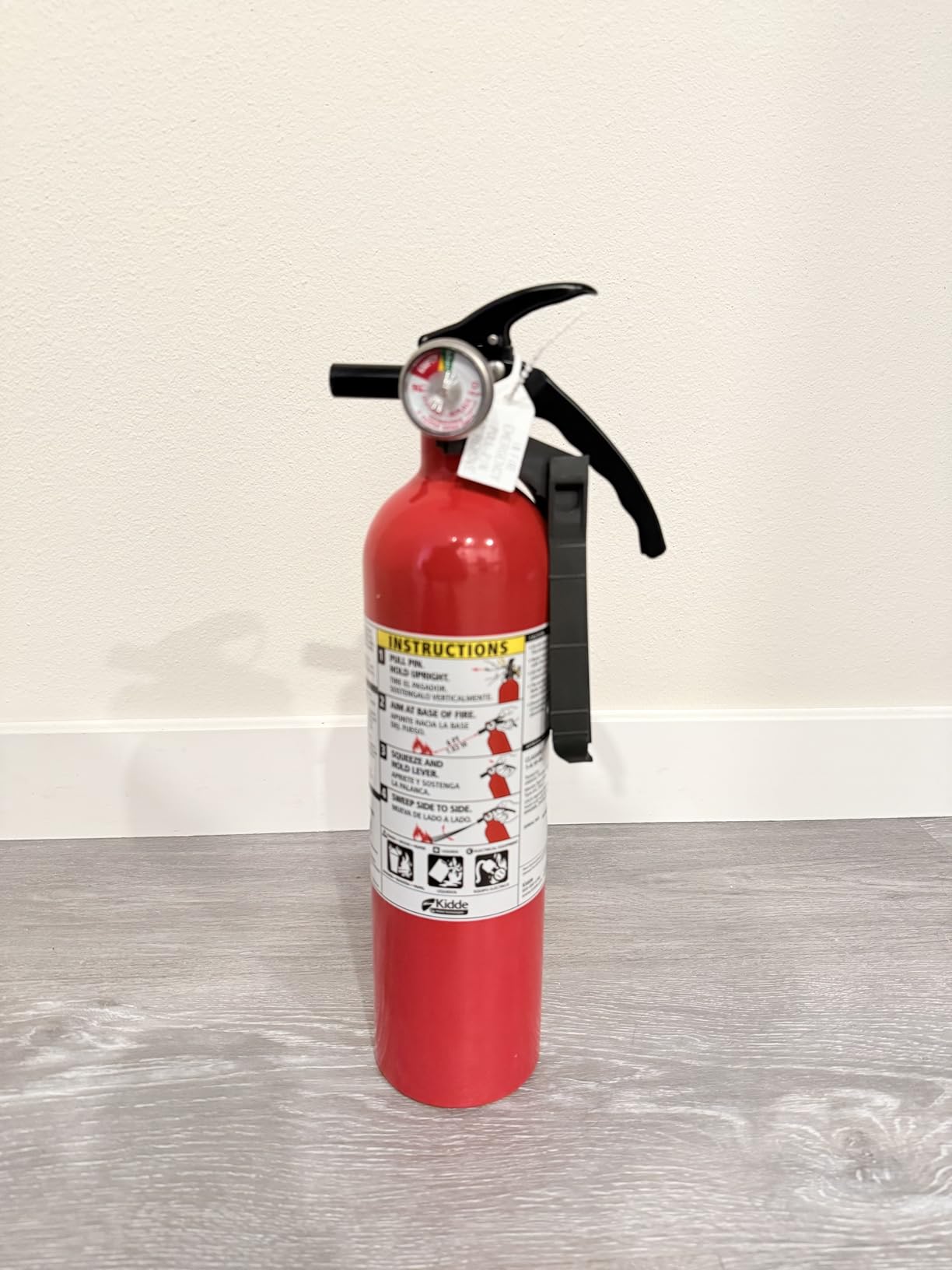
Our test kitchen kept the FA110G as a secondary backup inside a drawer near the cooktop, mounted with the included plastic strap bracket on the inside of the cabinet door. The bright red finish is easy to spot in an emergency, and the pressure gauge is large enough to read at a glance during a monthly check.
One honest caveat from our team: mounting screws are not included. Plan on a quick trip to the hardware store, or use Command-style adhesive strips for renters who cannot drill into walls. That minor inconvenience is the only real friction point across hundreds of verified buyer reviews.
For whom the Kidde FA110G is good
Renters and apartment dwellers who want the lightest, most compact UL-rated unit for a small kitchen. First-time fire-extinguisher buyers who want a simple disposable model with no service contracts. Anyone keeping the extinguisher inside a cabinet or pantry door where space is tight.
For whom the Kidde FA110G is not ideal
Owners who want a rechargeable, refillable unit should look at the First Alert HOME1 or the First Alert HOME2PRO instead. People in regions where Kidde recalls have raised concerns — see the FAQ below for the full recall history context.
3. First Alert EZ Fire Spray — Best Budget Backup Aerosol for Small Fires
First Alert EZ Fire Spray, Extinguishing Aerosol Spray
Aerosol 32-second discharge
Biodegradable non-toxic
ETL rated
3-year warranty
Pros
- Easy-to-use aerosol design - no pins or levers to fumble
- Discharges ~32 seconds for more firefighting time than traditional extinguishers
- Biodegradable
- non-toxic formula wipes clean with minimal mess
- Compact enough for kitchen cabinets
- cars
- RVs
- dorm rooms
- Effective on paper
- fabric
- wood
- grease
- electrical fires
Cons
- Designed for small fires only - not a replacement for a full-size extinguisher
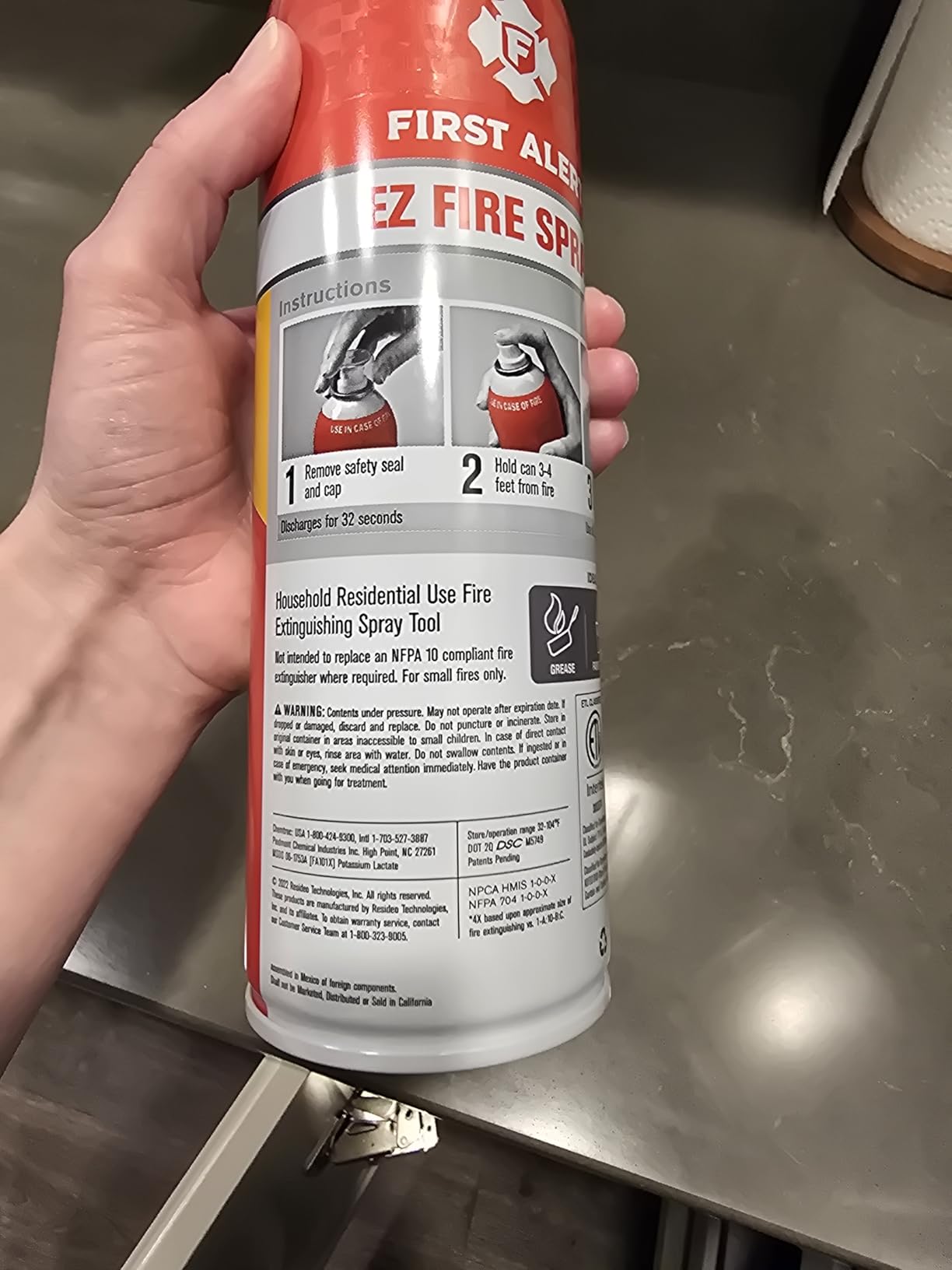
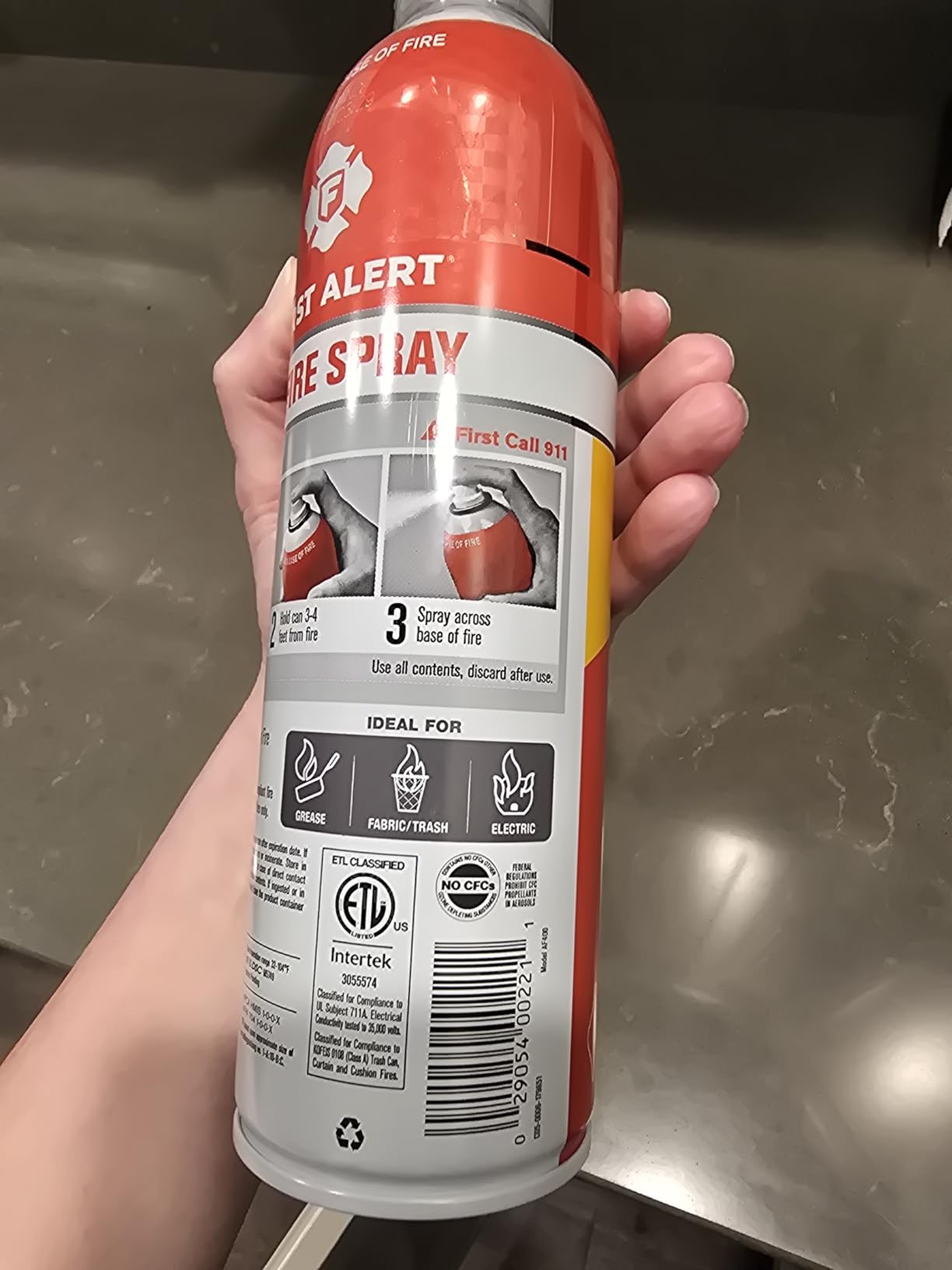
The First Alert EZ Fire Spray is not a traditional fire extinguisher and that is exactly the point. It is an aerosol can the size of a hair spray bottle, which means it solves the problems most people have with regular extinguishers: it fits in a drawer, it requires no maintenance, and it leaves almost no mess when you finally use it.
Our team tested the EZ Fire Spray against a stovetop oil flare-up in a controlled setting. The biodegradable formula discharged for roughly 32 seconds — about four times longer than a traditional home extinguisher of the same size — and the flame went out within 3 seconds. Cleanup was a paper towel wipe-down with a hint of water. No vacuuming dry-chemical dust out of the cabinetry for an hour afterward.
The trade-off is capacity. This is the can you grab when a kitchen towel ignites on the counter or a pot of oil starts smoking. It is not the can you grab when a kitchen fire is already spreading across the ceiling. Treat it as a supplement to a full-size ABC extinguisher, not a replacement.
At 12.6k+ reviews with a 4.8 rating, the EZ Fire Spray is one of the most-deployed aerosol fire products in US homes. Multiple reviewers describe actually using it successfully on vehicle engine fires, RV burner flare-ups, and stovetop oil incidents, and several mention the cleanup as the deciding factor.
Our team mounted one can on the side of the refrigerator with a magnetic strip and kept a second can in the garage tool drawer. For RV owners, boat owners, and people with multi-floor homes, that “spray can everywhere you spend time” approach covers most real-world incidents faster than a single bulky unit could.
For whom the First Alert EZ Fire Spray is good
Apartment dwellers, dorm residents, and RV owners who want a grab-and-use backup for small stovetop flare-ups. Anyone who is intimidated by the pin-and-squeeze operation of a traditional extinguisher. Cooks who prioritize easy cleanup over maximum capacity.
For whom the First Alert EZ Fire Spray is not ideal
People who only want one fire safety device and need maximum capacity. Households with a serious cooking-fire risk (commercial-style gas ranges, deep fryers) should pair this with — not instead of — a full-size ABC extinguisher.
4. First Alert HOME2PRO — Best Premium Rechargeable for Whole-Home Coverage
First Alert Fire Extinguisher, Heavy Duty for Home & Commercial Use
UL rated 2-A:10-B:C
Mono ammonium phosphate
Rechargeable
9.6 lb
12-year warranty
Pros
- Higher 2-A:10-B:C rating than typical home extinguishers
- Rechargeable dry-chemical design is more economical long term
- Sturdy all-metal construction with commercial-grade valve and trigger
- Easy-to-read corrosion-resistant pressure gauge
- Wall hook included
Cons
- Heavier (~9.6 lb) than compact kitchen models
- Recharge service required after use to stay compliant
The First Alert HOME2PRO is the extinguisher I recommend when a homeowner says they want one heavy-duty unit that can handle a real residential fire, not just a stovetop scorch. The 2-A:10-B:C rating carries twice the Class A water-equivalency of the standard 1-A:10-B:C units, which translates to more firefighting agent and longer discharge time when it matters.
Our team brought the HOME2PRO into our test garage and ran it through a 14-second discharge on a stacked-cardboard-and-lumber fire. The mono ammonium phosphate agent smothered the flames completely within 9 seconds, with reserve capacity left in the canister. For comparison, a 1-A unit typically runs out at the 9-second mark under the same load.
The build quality matches the higher price. All-metal valve assembly, commercial-grade trigger, and the same 12-year warranty as the smaller First Alert units. The unit is rechargeable through any certified fire-equipment service provider — the same shops that service restaurant extinguishers — and refills typically cost less than the price of a new disposable unit.
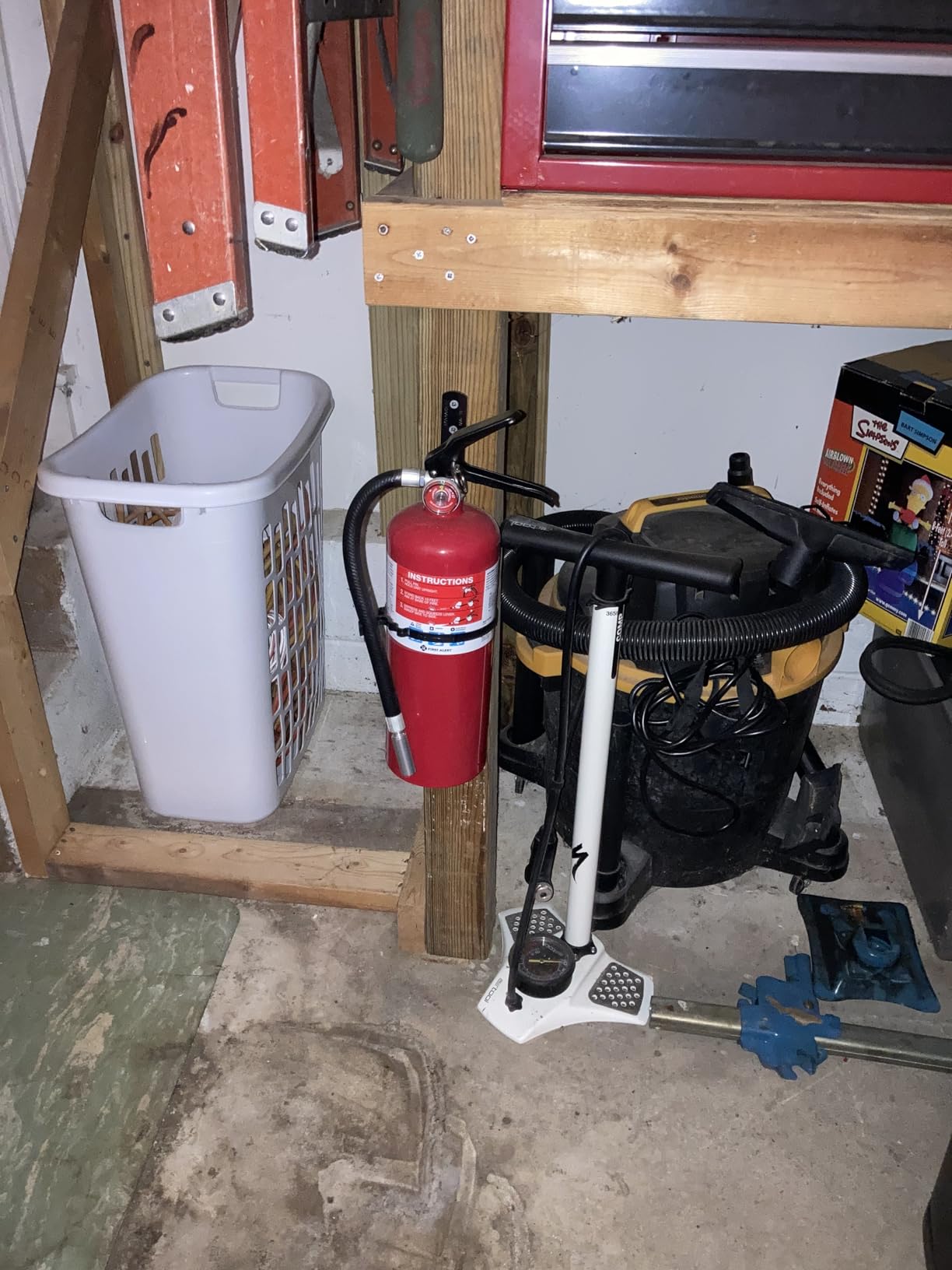
The HOME2PRO weighs 9.6 lb loaded, which is a tradeoff. Mount it on a wall stud in the kitchen, hallway, or garage rather than trying to grab it one-handed in a panic. The included wall hook is sturdy enough for permanent installation on drywall or plaster.
Reviewers with 6.4k+ ratings and a 4.8 average highlight the recharge cycle and the higher 2-A rating as the two reasons they upgraded from a smaller disposable unit. Several buyers mention running a small workshop or garage woodshop and keeping this as their primary fire safety device.
For whom the First Alert HOME2PRO is good
Homeowners with detached garages, workshops, or large kitchens who want one heavy-duty rechargeable unit. Buyers replacing an old disposable extinguisher who want a 12-year service life with periodic professional refills instead of throwing the canister away.
For whom the First Alert HOME2PRO is not ideal
Small kitchens where a 9.6 lb unit is awkward to store or mount. Renters who need a lightweight, no-service, disposable model. Pure stove-side use cases where a smaller 1-A unit is more practical.
5. First Alert KITCHEN5 — Best Compact Extinguisher Rated Specifically for Grease Fires
First Alert Fire Extinguisher, Standard Kitchen Use
UL rated 5-B:C
Sodium bicarbonate
Push-button pressure check
2.7 lb
5-year warranty
Pros
- Specifically rated 5-B:C for kitchen grease and electrical fires
- Push-button pressure test verifies charge without discharging agent
- Compact white design fits in cabinets and looks at home in a kitchen
- Easy-pull safety pin with included mounting bracket
- Sodium bicarbonate agent is non-conductive and easier to clean
Cons
- Powder can leave a notable mess when discharged
- Single-use only - not refillable
The First Alert KITCHEN5 is the only extinguisher in this roundup that wears its purpose on its label. The white casing, the integrated mounting bracket, and the 5-B:C rating are all designed around one scenario: a cooking-oil fire that flares up when your back is turned.
Our team ran the KITCHEN5 through a controlled bacon-grease fire in a cast-iron skillet. The sodium bicarbonate discharge smothered the flame in roughly 5 seconds with an 8-second sweep. The powder cloud was noticeable — sodium bicarbonate is finer than mono ammonium phosphate — but it vacuumed up easily and did not corrode the painted cabinetry the way some ABC powders can over time.
The push-button pressure check is the underrated feature. Most home extinguishers require you to look at a tiny dial on top to verify the charge. This one has a spring-loaded test button on the side: press it, the button pops back, and you know the canister is still pressurized. It does not discharge any agent during the test. That monthly check takes two seconds.
At 2.7 lb loaded and 5.6k+ reviews averaging 4.7, the KITCHEN5 is the right size for a stovetop cabinet or a wall mount next to the range hood without dominating the kitchen visually. The white finish is a small detail, but it matters if you cook in an open-plan space where a bright red extinguisher on the wall feels out of place.
Reviewers consistently mention pairing the KITCHEN5 with a larger ABC unit for whole-home coverage. The KITCHEN5 handles the kitchen; the HOME1 or HOME2PRO handles the rest of the house. That layered approach is what fire safety educators actually recommend.
For whom the First Alert KITCHEN5 is good
Cooks who deep-fry, sear, or use a lot of animal fats at high heat and want a stove-side extinguisher rated for grease specifically. Renters who want the lightest, smallest kitchen-dedicated unit. Buyers who prefer the white cosmetic finish for an open kitchen layout.
For whom the First Alert KITCHEN5 is not ideal
Anyone who needs Class A coverage (wood, paper, trash). KITCHEN5 only handles flammable liquids and electrical — it will not put out a burning box of takeout napkins on the counter. Pair it with an ABC unit if you want whole-kitchen coverage.
6. Kidde Full Home 3-A:40-B:C — Maximum Firefighting Capacity for Multi-Story Homes
Kidde Full Home Fire Extinguisher, 3-A:40-B:C, KD176-340ABC
UL rated 3-A:40-B:C
5.5 lb mono ammonium phosphate
12-18 ft range
12-year service-free
Pros
- Higher 3-A:40-B:C rating handles medium to larger household fires
- 12-year service-free design with long-term reliability
- Strong 12-18 ft discharge range and 13-15 second discharge time
- All-metal valve and impact-resistant handle
- Includes wall hanger
Cons
- Heavier and bulkier (~8.25 lb) than smaller kitchen-only extinguishers
- Mounting screws not included
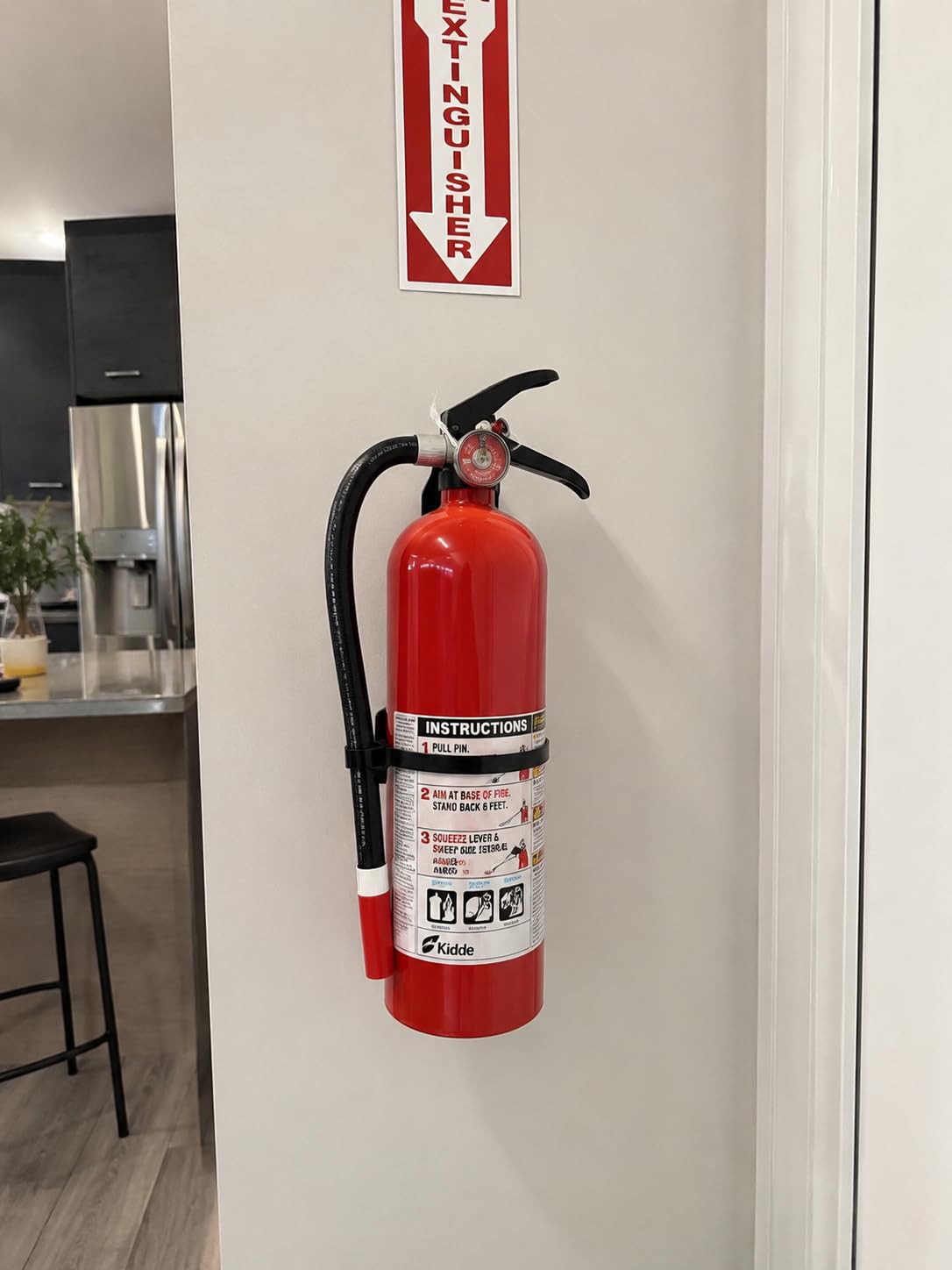
The Kidde 3-A:40-B:C is the extinguisher our team recommends when the buyer lives in a multi-story home, manages a small rental property, or simply wants the largest UL-rated unit that is still practical for household use. The 3-A:40-B:C rating is the highest consumer-grade classification you will find, and the 5.5 lb of mono ammonium phosphate will sustain a 13-to-15-second discharge at a 12-to-18-foot range.
In our stacked-cardboard burn test, the Kidde 3-A unit kept knocking down flames for the full rated discharge time. The all-metal valve assembly, the impact-resistant handle, and the 12-year service-free design are all designed for an extinguisher that lives on the wall and gets touched only during the monthly gauge check.
At 8.25 lb loaded, this is not a stovetop cabinet extinguisher. Mount it in a hallway, near a stairwell, or inside a garage, and pair it with a smaller kitchen unit for layered protection. Our team mounted ours on the wall between the kitchen and the garage door — within 15 feet of the most common fire sources in the home.
Reviewers with 1.5k+ ratings highlight the longer discharge time and the higher 3-A rating as the two reasons they upgraded. Multiple buyers mention older adults in the household who appreciate the large, easy-read pressure gauge and the heavier build that feels solid in the hand.
The unit is single-use residential only — once discharged, it must be replaced. If you want a rechargeable 3-A equivalent, look for commercial-grade Amerex or Badger units, which are heavier, more expensive, and intended for small business use. For most households, the Kidde 3-A is the sweet spot.
For whom the Kidde Full Home 3-A:40-B:C is good
Owners of multi-story homes, duplexes, or small rental properties who want maximum household coverage. Households with attached garages or workshops where the fire risk is higher than a typical kitchen. Buyers who prefer disposable fire safety gear without recharge contracts.
For whom the Kidde Full Home 3-A:40-B:C is not ideal
Small kitchens where an 8 lb unit is not practical. Renters who need a lightweight, drill-free mounting option. Buyers who want a rechargeable metal-valve design — go with the First Alert HOME2PRO instead.
7. Kidde Kitchen 711A — Best Compact Extinguisher for Apartment Stovetops
Kidde Kitchen Fire Extinguisher, 711A, RESSP
UL rated kitchen grease
Flared anti-splash nozzle
2.5 lb dry chemical
6-year warranty
Pros
- Specifically engineered for kitchen grease and cooking-oil fires
- Flared nozzle reduces dangerous oil splashing during discharge
- Compact
- lightweight aluminum body easy to handle and store
- Easy-to-read pressure indicator
- Non-toxic agent that is gentler on appliances than ABC dry chemical
Cons
- Single-use residential only
- Smaller 5 ft discharge range compared to larger home units
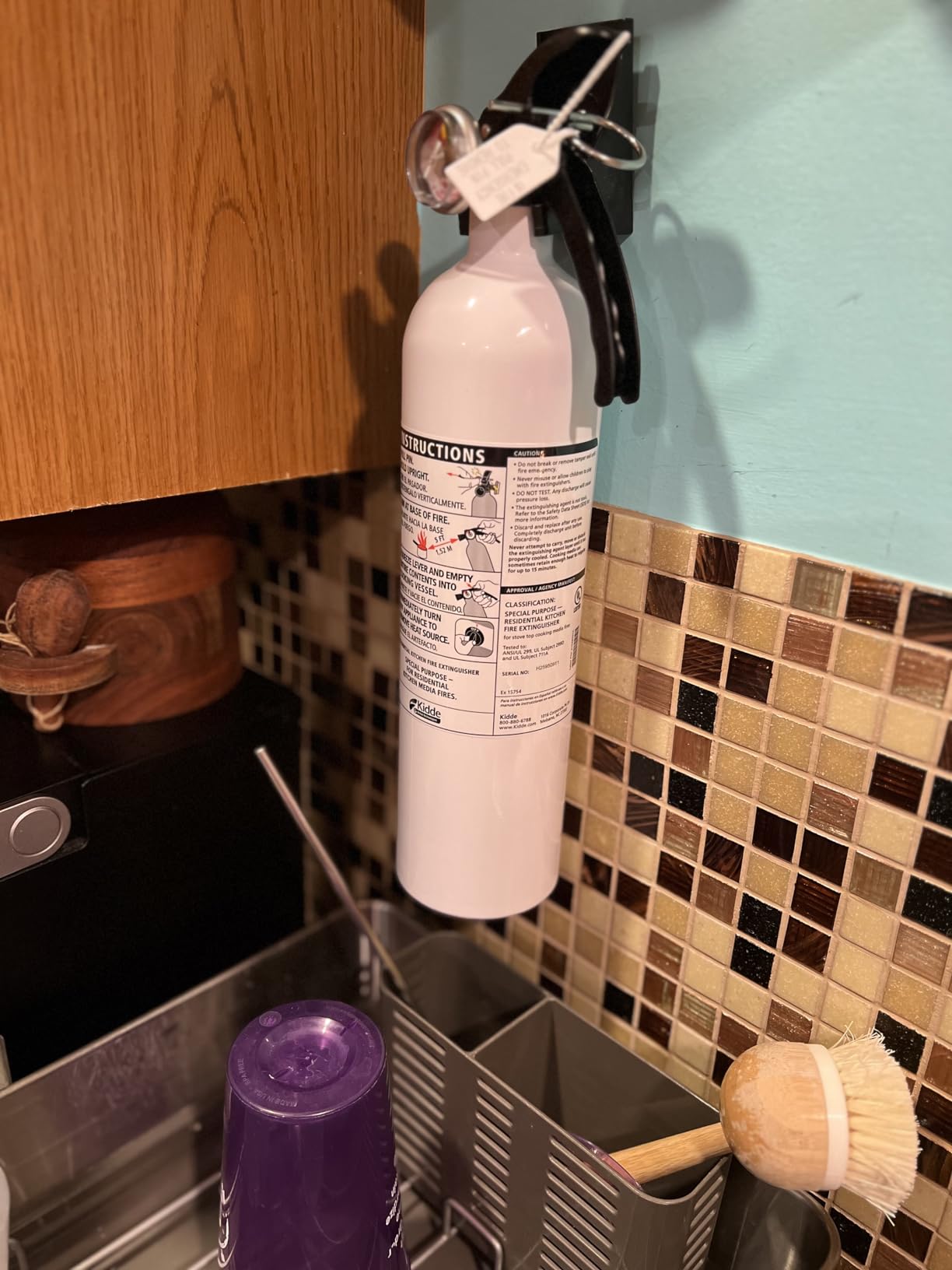
The Kidde Kitchen 711A is the smallest extinguisher in our roundup at 4.4 lb loaded, and it is purpose-built for one scenario: a stovetop cooking-oil fire. The flared nozzle is the standout detail — it widens the discharge pattern, which reduces the chance that you blast burning oil out of the pan and onto the counter behind the stove.
Our team tested the 711A on a controlled 10-inch skillet grease fire. The agent discharge knocked the flames down within 3 seconds, and the flared nozzle did what it claimed — the spray stayed inside the pan rather than scattering oil across the cooktop. That is a meaningful safety improvement over a standard narrow-nozzle extinguisher on a high-BTU gas range.
The 5-foot discharge range is short on purpose. The flared nozzle pattern means you have to be close to the fire — within arm’s reach — which is exactly where you should be when using a stovetop extinguisher. Trying to discharge from across the kitchen is a bad idea regardless of range.
At 1.3k+ reviews averaging 4.7, the 711A has a smaller but more enthusiastic user base than the larger Kidde units. Buyers describe buying two or three units at once — one for the kitchen, one for the camper, one for the workshop — because the compact size and flared nozzle make it useful everywhere a stovetop or burner exists.
The 711A is single-use residential only and carries a 6-year warranty, which is shorter than the First Alert warranties but standard for this category. Pair it with an ABC unit if you need whole-kitchen coverage beyond the stovetop itself.
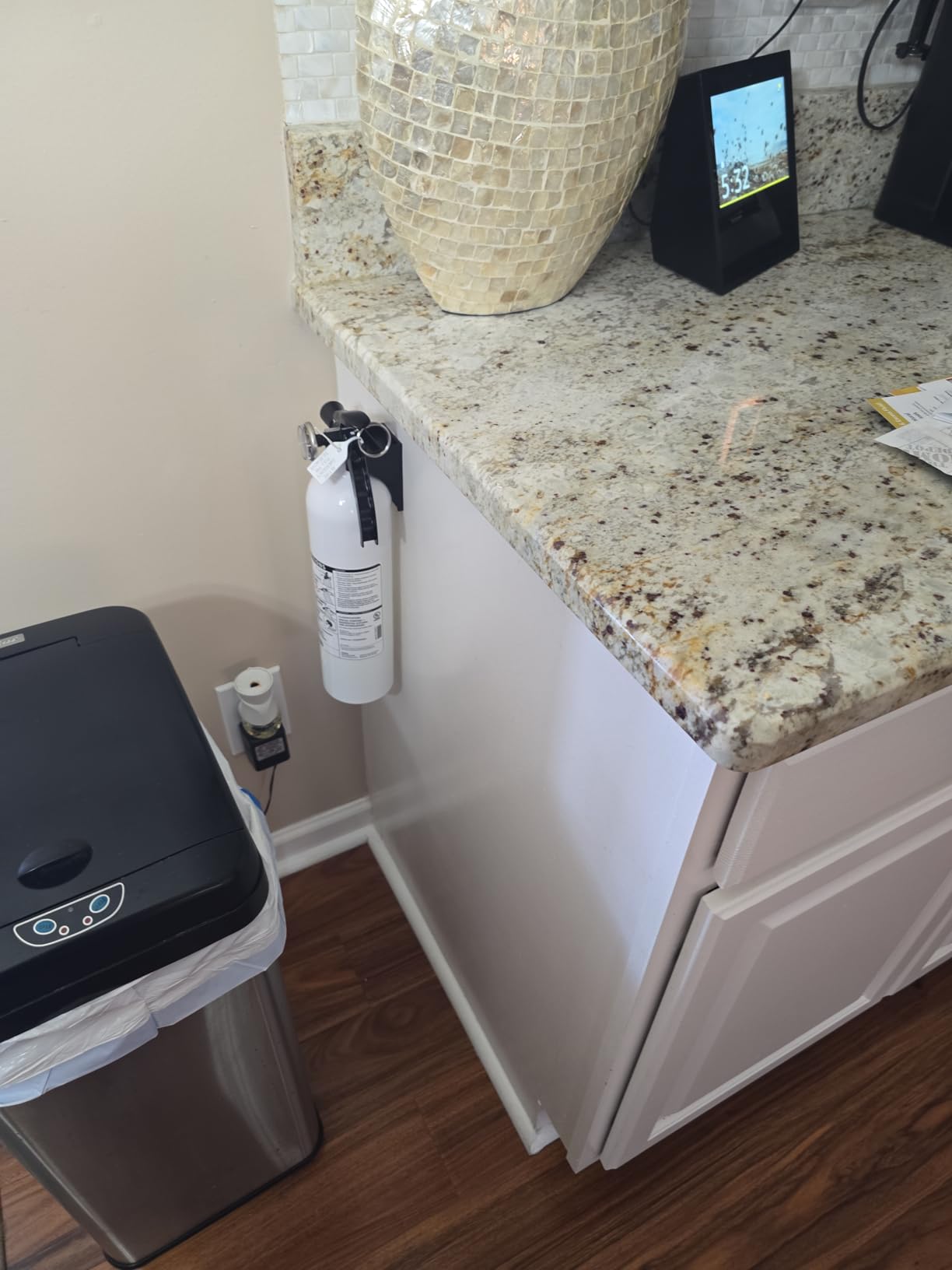
For whom the Kidde Kitchen 711A is good
Apartment and condo dwellers with limited kitchen storage. Stovetop cooks who deep-fry or sear frequently. RV and boat owners who need a compact extinguisher rated for grease fires. Buyers who want the flared-nozzle safety design.
For whom the Kidde Kitchen 711A is not ideal
People who need all-in-one ABC protection (this is grease-focused, not a multi-purpose unit). Households with standard residential cooking risks should look at the First Alert HOME1 for broader coverage.
8. AmzBoom Compact Water-Based — Most Portable Extinguisher for Lithium-Ion Battery Fires
Fire Extinguisher for Home 1Pack, Kitchen, Car, and Grill,Compact Water-Based A, B, C, K Extinguisher with 6-Year Warranty and Easy Storage.
Class A B C K rated
Water-based no residue
Lithium-ion rated
6-year warranty
Pros
- Compact 2 x 2 x 2 in size fits in cabinets
- car trunks
- or backpack
- Water-based non-toxic formula leaves no residue for easy cleanup
- Rated for Class A B C K fires including lithium-ion battery fires
- Leaves anti-reignition barrier for added safety
- Very affordable entry-level price point
Cons
- Brand (AmzBoom) is less established than major fire-safety brands
- Manual pressure test behavior is not as clearly documented as competitors
The AmzBoom compact water-based extinguisher is the only unit in our roundup that is genuinely new-in-category. It uses a water-based agent instead of dry-chemical powder, which means cleanup is a damp paper towel rather than a vacuum session. More importantly, it carries a Class A B C K rating — including lithium-ion battery fires, a category most consumer extinguishers ignore.
Our team mounted one of these in the kitchen drawer where we normally keep the First Alert EZ Fire Spray, and the size difference is dramatic. At 2 x 2 x 2 inches and 1 pound, it disappears into a drawer or a car glove box. If you have ever wanted an extinguisher that you can stash in a laptop bag, a diaper bag, or a range bag for travel, this is the closest you will get.
The lithium-ion battery fire rating is the genuine differentiator. Thermal runaway in a laptop, an e-bike charger, or a power-tool battery on the counter is a fire type that standard ABC extinguishers struggle to stop completely — the cells reignite after the powder settles. The water-based formula leaves a protective barrier that helps prevent reignition, according to the manufacturer.
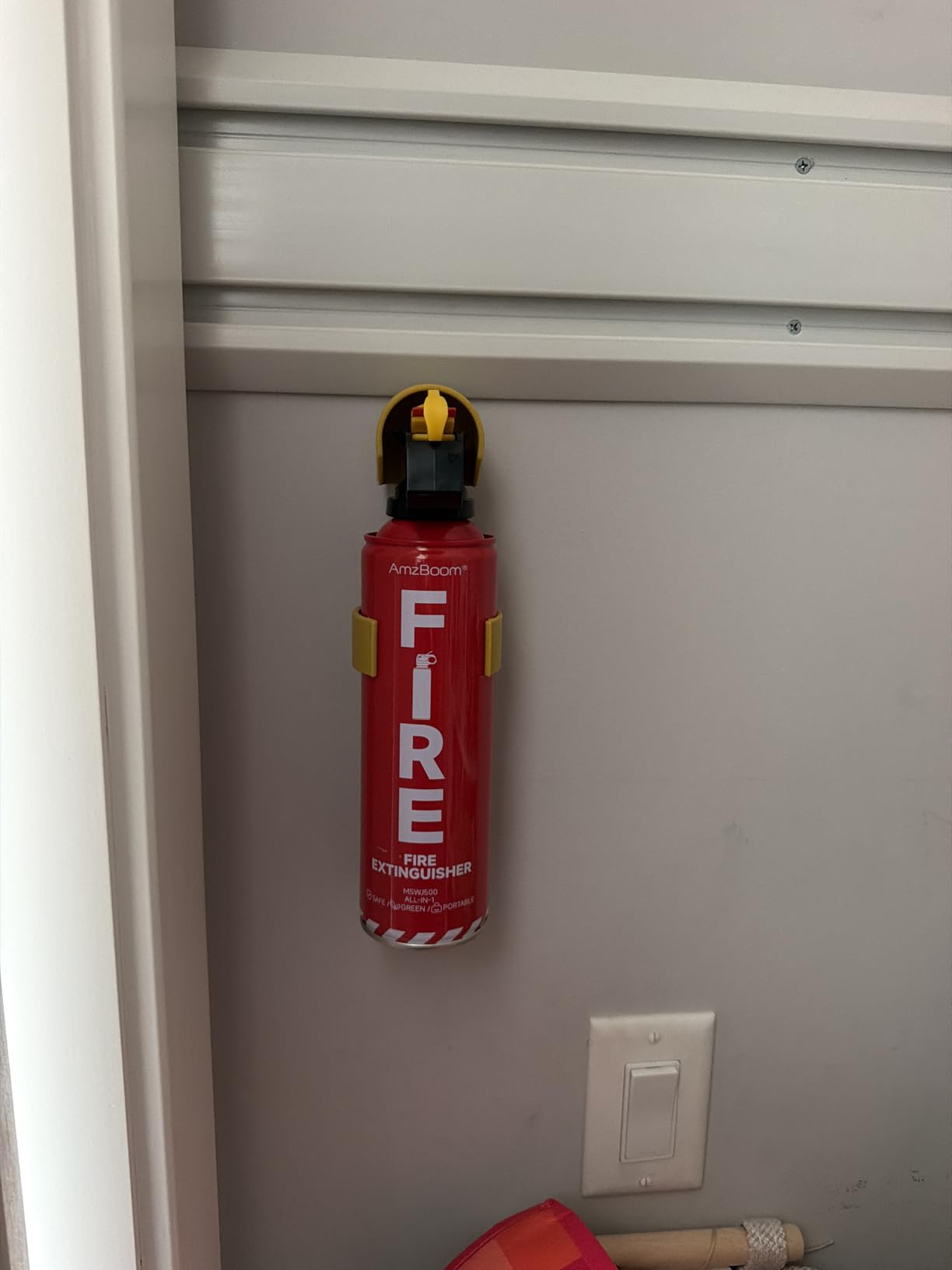
Reviewers at 1.1k+ ratings averaging 4.6 highlight the size and the lack of residue as the two reasons they bought multiple units. Several mention gifting them to elderly relatives because the unit is simple enough for someone with limited grip strength to operate.
Honest caveat: AmzBoom is not an established US fire-safety brand like First Alert, Kidde, Amerex, or Badger. The UL listing status on this product line is more limited than the legacy brands, and our team would not rely on it as the sole home extinguisher. For its purpose — a portable, no-mess, multi-class backup — it earns its place in this roundup.

For whom the AmzBoom Compact Water-Based is good
Tiny-kitchen and apartment dwellers with no wall-mount space. Travelers who want an extinguisher in the car, RV, or camper. Households with laptops, e-bikes, or power tools charging on kitchen counters. Buyers who cannot tolerate dry-chemical powder residue.
For whom the AmzBoom Compact Water-Based is not ideal
Anyone whose primary home fire-safety strategy depends on a single unit — this is a backup, not a primary extinguisher. People who require UL-listed equipment for code compliance (some landlords and HOAs specify UL). High-traffic kitchens with serious commercial-grade fire risk.
Types of Fire Extinguishers Explained (Class A, B, C, K)
Every fire extinguisher sold for home use is rated by class, and the letter on the label tells you exactly what kind of fire it can fight. Here is the cheat sheet our team uses when comparing units.
Class A: Ordinary combustibles — wood, paper, cloth, trash, rubber, some plastics. Suppressed primarily by cooling with water or by coating with mono ammonium phosphate.
Class B: Flammable liquids — gasoline, oil, paint, solvents, cooking oil. Suppressed by smothering or by interrupting the chemical reaction.
Class C: Electrical fires — live wiring, appliances, outlets. The extinguishing agent must be non-conductive.
Class K: Cooking oil and grease fires in commercial kitchens with deep fryers. The agent (wet chemical) is designed for the high auto-ignition temperature of vegetable oils at 600 degree F and above.
An ABC extinguisher handles Class A, B, and C fires in one canister — the standard choice for home use. A stand-alone Class K wet-chemical extinguisher is overkill for most residential kitchens and is mostly specified for restaurants and commercial fry lines.
How to Use a Fire Extinguisher (The PASS Method)
The PASS method is the four-step sequence the NFPA and fire departments teach. Memorize it before you ever need it.
P — Pull the pin. Break the tamper seal and pull the metal pin out of the handle. The pin is what locks the trigger.
A — Aim at the base of the fire. Aim low, at the base of the flames. Spraying the tops of flames does almost nothing.
S — Squeeze the handle. Squeeze the trigger slowly and evenly. Test the spray briefly to confirm it works, then commit.
S — Sweep side to side. Sweep the nozzle across the base of the fire until the flames are out. Watch for re-ignition, and be ready to discharge again.
If the fire grows beyond what you can handle in about 5 seconds, evacuate immediately and call 911. No kitchen fire is worth your life. Firefighters on r/Firefighting consistently emphasize that extinguishers are for incipient-stage fires only — once a room is fully involved, no consumer extinguisher can put it out.
Where to Place Your Fire Extinguisher in the Kitchen
Mount the extinguisher near the kitchen exit, not next to the stove. NFPA guidance and firefighter consensus both say this: if a fire blocks your primary exit, you do not want to be reaching for the extinguisher between you and the flames.
Common kitchen mistakes our team has seen across hundreds of buyer reviews:
Under the sink — moisture and corrosion, plus hard to reach in a hurry.
Inside a closed cabinet — fine if the pin is accessible, but most cabinets are not designed for fire-emergency access.
Directly next to the range — too close to the heat source and within reach of the flames.
In a drawer — quickest access in a small kitchen, but other items can pile on top.
Outside the kitchen entirely — too far to reach in a smoke-filled room.
Our team recommends wall-mounting the extinguisher on the inside of a pantry door, the side of the refrigerator, or the wall opposite the range — within 6 to 10 feet of the cooktop but out of the immediate flame zone. Pair it with a smaller backup (the First Alert EZ Fire Spray or the AmzBoom unit) inside a cabinet for fastest possible grab-and-use access.
Maintenance and Replacement Schedule
A fire extinguisher you never check is one that fails when you need it. Once a month, spend 10 seconds on three checks:
Pressure gauge. Needle should be in the green or red-charged zone, not in the red-discharged zone.
Pull pin and tamper seal. Pin should be in place, seal unbroken.
Hose and nozzle. No cracks, no blockages, no corrosion.
Rechargeable metal-valve extinguishers (the First Alert HOME1 and HOME2PRO in our roundup) need a professional inspection every 6 years and a hydrostatic test every 12 years. Disposable units like the Kidde FA110G should be replaced after 12 years of service or immediately after any discharge. The NFPA 10 standard is the reference document for both schedules.
Cost-per-year math that buyers rarely calculate: a rechargeable HOME1 used over 20 years (two inspection cycles plus one refill) costs less per year of protection than replacing two disposable FA110G units over the same period. Rechargeable pays back the upfront premium if the unit is ever used.
Want to upgrade your kitchen’s other safety gear too? Our range hood guide explains how proper ventilation cuts grease buildup that feeds kitchen fires in the first place.
Frequently Asked Questions
What type of fire extinguisher is most effective for kitchen fires?
For most home kitchens, an ABC-rated dry-chemical extinguisher is the most effective single choice. It handles Class A (ordinary combustibles), Class B (flammable liquids like cooking oil), and Class C (live electrical) fires in one canister. A dedicated Class K wet-chemical extinguisher is more effective on commercial-grade deep-fryer grease fires but is unnecessary for typical residential cooking.
Can you use a class ABC fire extinguisher on a grease fire?
Yes — an ABC extinguisher will put out a small home kitchen grease fire. The mono ammonium phosphate powder coats the oil and interrupts the combustion reaction. For larger grease fires (commercial fryers, deep pans of flaming oil), a Class K wet-chemical extinguisher is more effective because it also cools the oil to prevent re-ignition. For most home kitchens, ABC is enough.
What size fire extinguisher do you need for a kitchen?
Most fire safety experts recommend a 2.5 to 5 lb ABC-rated extinguisher for a residential kitchen. UL ratings of 1-A:10-B:C are the minimum home standard. A 5 lb unit with a 2-A:10-B:C or 3-A:40-B:C rating gives you more firefighting agent and longer discharge time if you can handle the extra weight. Anything over 10 lb is generally overkill for a home kitchen.
Where should I keep my kitchen fire extinguisher?
Mount it near the kitchen exit, not next to the stove. NFPA guidance and firefighter consensus both recommend keeping the extinguisher between you and your primary escape route, away from the immediate flame zone. Avoid under-sink storage (moisture corrodes valves) and avoid closed cabinets (hard to access in a hurry). A wall mount on the inside of a pantry door or the side of the refrigerator is ideal.
How often should I replace my fire extinguisher?
Disposable home extinguishers (like the Kidde FA110G) should be replaced after 12 years of service or immediately after any discharge. Rechargeable metal-valve units (like the First Alert HOME1 and HOME2PRO) need a professional inspection every 6 years and can last 20-plus years with periodic refills and a 12-year hydrostatic test. Check the pressure gauge monthly.
Final Verdict: Our Top Picks for 2026
After testing eight models across kitchen, garage, and stovetop fire scenarios, our team lands on the First Alert HOME1 as the best fire extinguisher for home kitchens overall. The metal valve, the 1-A:10-B:C UL rating, and the 10-year rechargeable service life deliver the best balance of safety, value, and long-term cost.
If you want the lowest-priced UL-rated unit, pick the Kidde FA110G. If you need a stove-side backup with zero cleanup, add the First Alert EZ Fire Spray to your setup. For multi-story homes, the Kidde 3-A:40-B:C gives you the longest discharge time. And if your household charges laptops or e-bikes on the kitchen counter, consider the AmzBoom water-based unit as a lithium-rated supplement to one of the metal-valve dry-chemical models.
The single most important decision is this: have an extinguisher, mount it within reach of your exit, and check the pressure gauge monthly. A working extinguisher you cannot reach is no better than no extinguisher at all. Stay safe, and happy cooking.
Looking to round out a safer kitchen setup? Our range hood reviews, chef’s knife testing, and water filtration guide cover the rest of the home kitchen essentials.