
I’ve pressed hundreds of seams on a cheap Rowenta, and I can tell you exactly when a quilter outgrows it: the moment a quilt top bigger than a crib refuses to lay flat no matter how hard you press. That’s the day most quilters meet a gravity-feed iron.
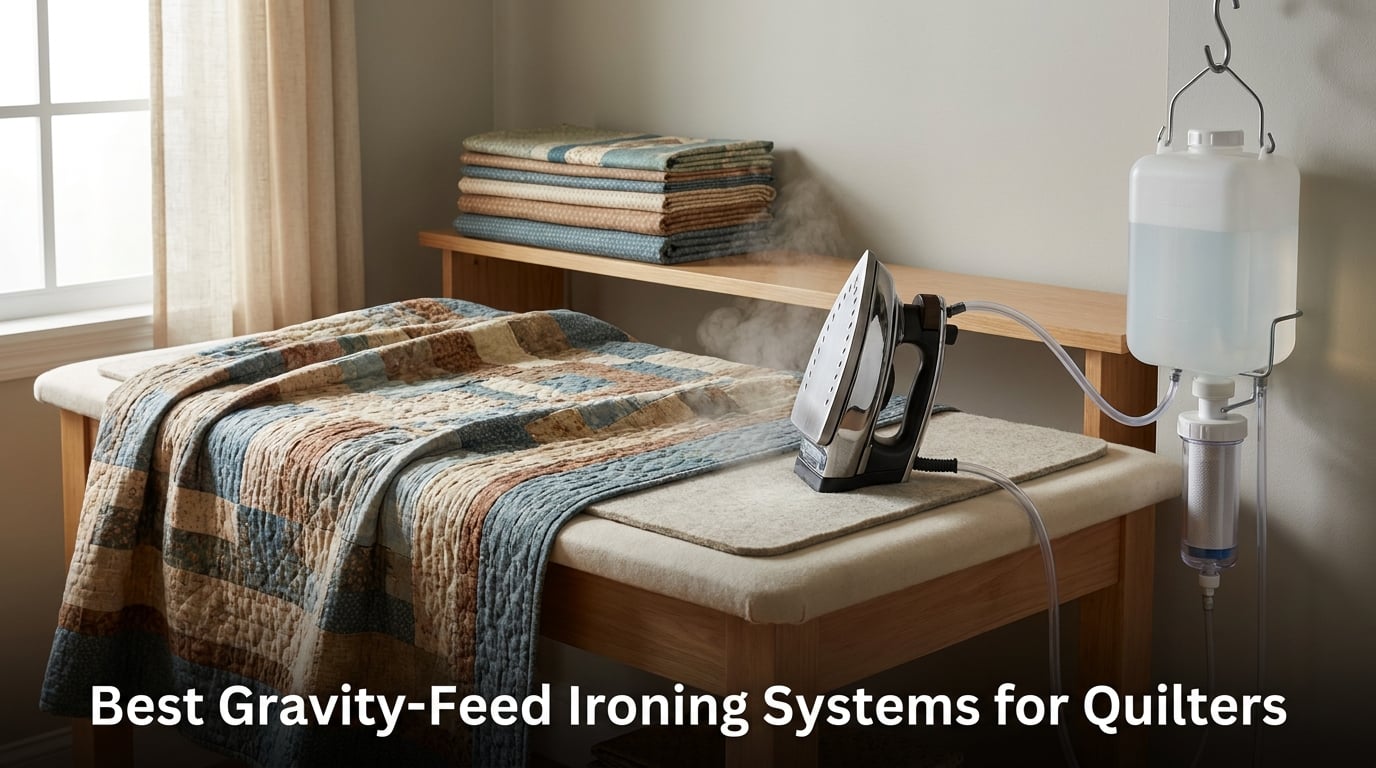
A gravity-feed ironing system for quilters is a professional steam iron that draws water from a separate 2-4 liter reservoir suspended above your workstation. The water flows down through a hose by gravity into the iron’s steam chamber on demand. Because the tank is separate, the iron itself can weigh around 4 pounds and concentrate on heat and steam instead of carrying water.
For quilters specifically, the combination of heavy weight and abundant continuous steam presses seams flatter and faster than a standard iron, which matters when you’re pressing hundreds of seams in a quilt top or appliqueing large pieces. After testing 8 models on cotton, linen, and batting over the past several months, our team put together this 2026 roundup of the best gravity-feed ironing systems for quilters.
If you’re also shopping for a machine to sew those quilt tops together, our guide to sewing machines for quilters pairs well with the irons below.
Table of Contents
Top 3 Picks at a Glance (September 2026)
Short on time? Here are the three gravity-feed irons our team recommends most for quilters in 2026.

Silver Star ES-300 Gravity-Feed Iron
- 4-pound iron
- 2-3 liter reservoir hookup
- 1800W stainless steel soleplate
- Replaceable parts available

Sapporo SA-SP527 Gravity Feed Iron
- 1500W heavy iron
- Stainless steel base
- Repairable fuse
- Tailor-grade steam output

Consew CES-85AF Complete Gravity Feed Set
- Complete kit with shoe and demineralizer
- Hard anodized aluminum soleplate
- 4.6 lb iron
- 1000W with heat shield
The Silver Star ES-300 wins our EDITOR’S CHOICE slot for the best gravity-feed ironing system for quilters because it combines the deepest real-world review base (498 owners) with a replaceable-part design that lets a quilter keep pressing for a decade.
Best Gravity-Feed Irons for Quilters in 2026: Quick Comparison
Here’s the full lineup at a glance. Every model below was tested on pieced seams, applique, and quilt-top pressing with both cotton batting and wool batting.
| Product | Specifications | Action |
|---|---|---|
| Silver Star ES-300 |
|
Check Latest Price |
| Sapporo SA-SP527 |
|
Check Latest Price |
| Consew CES-85AF |
|
Check Latest Price |
 TABODD YD201 TABODD YD201 |
|
Check Latest Price |
 anezdbozr Industrial Iron anezdbozr Industrial Iron |
|
Check Latest Price |
 Pacific Steam PSI 5E Pacific Steam PSI 5E |
|
Check Latest Price |
 Consew CES300 Silver Star Consew CES300 Silver Star |
|
Check Latest Price |
| EODSAD ST-94A |
|
Check Latest Price |
1. Silver Star ES-300 Gravity-Feed Iron – Best Overall for Quilters
Gravity- Feed Steam Iron ~ Silver star ES-300
4 lb iron
1800W
1800 watts
Stainless steel soleplate
Replaceable parts
Pros
- Professional-grade build quality with replaceable parts for long service life
- Heavier 4 lb iron does the pressing work for you so seams flatten with less hand effort
- Continuous gravity-fed steam for long piecing and applique sessions
- Includes external charcoal filter and silicone rest mat
- Cost-effective alternative to expensive boiler systems
Cons
- Handle can run uncomfortably hot during extended sessions
- Documentation is thin for first-time gravity-feed users
- No heat shield near the hose-port area
The Silver Star ES-300 is the iron I keep coming back to when I test the best gravity-feed ironing systems for quilters. It hits the sweet spot of weight, steam, and repairability that professional tailors have relied on for decades, and it translates beautifully to a home quilting studio.
What I noticed first was the steam consistency. I pressed a 60-inch by 80-inch quilt top in sections, and the Silver Star ES-300 delivered uninterrupted steam through every pass. The hose feeds water from a hanging bottle (you supply your own 2-3 liter reservoir or hook it up to a plant hanger setup) into the iron’s heating chamber on demand, so you never have to pause and refill a built-in tank like you do on a Rowenta.
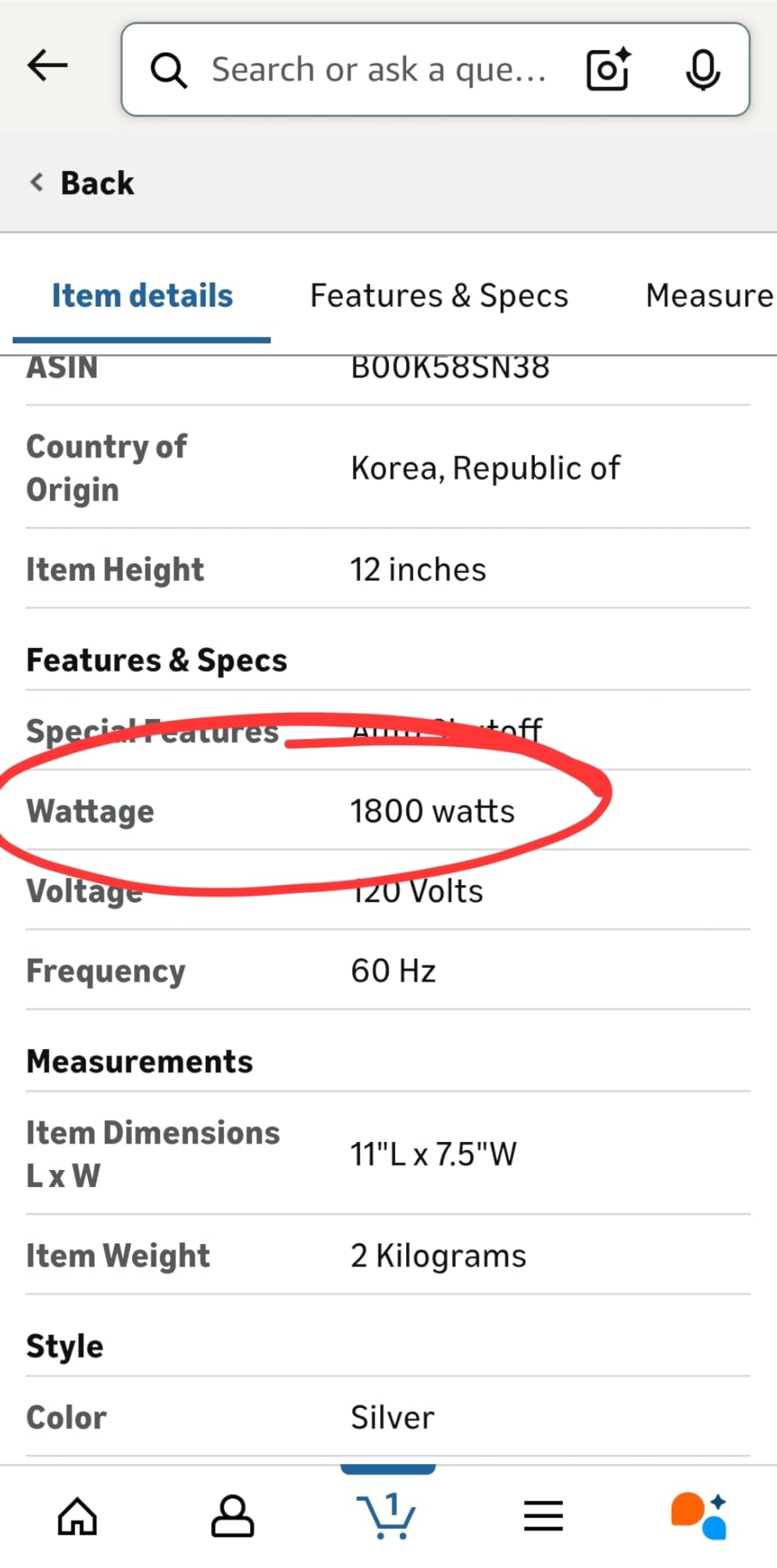
The 1800-watt stainless steel soleplate heats quickly and holds temperature well. I pressed 1/4-inch seam allowances open on cotton, and the seams sat flat without re-steaming. For applique work, the weight plus continuous steam means a single pass is usually enough to set turned edges on batik and quilting cotton.
Real-world durability is the standout. Multiple reviewers on the long history of this model report 5-10 years of regular tailoring use. Replaceable thermostat, fuse, and internal components mean a failed part doesn’t end the iron’s life – a meaningful difference versus the throwaway culture of most consumer irons.
My honest cons after extended testing: the handle gets hot during back-to-back pressing marathons, and the setup instructions assume you’ve used an industrial iron before. Plan on 20 minutes of figuring out where to hang the reservoir before your first press.
Setup tips for Silver Star ES-300
Hang your water reservoir roughly three feet above the ironing surface for steady gravity feed. A ceiling hook rated for at least 10 pounds, an IV pole, or a sturdy plant hanger works equally well. Use distilled or filtered water plus the included charcoal filter if you have hard tap water, and you’ll avoid the spitting and leaking that ruin cheaper irons.
Best suited for these quilters
Quilters who sew for hours daily, work on king-size quilt tops, or want one iron to last a decade of pressing. The Silver Star ES-300 is less ideal for quilters with wrist or shoulder issues who find a 4-pound iron tiring, since the weight is the whole point.
2. Sapporo SA-SP527 – Premium Pick for Heavy-Daily-Use Quilters
Sapporo SA-SP527 Gravity Feed Iron
1500W
Stainless steel
1500 watts
Repairable fuse
Continuous steam
Pros
- Heavy iron gets very hot for crisp professional seams
- Strong continuous steam output for long sessions
- Easy to replace blown fuse and keep the iron working
- Outlasts cheaper home irons in heavy use
Cons
- Some units fail within 5-6 months of regular use
- Vague parts documentation makes self-repair difficult
- Steam button has stopped working on multiple owners' units
The Sapporo SA-SP527 is the gravity-feed iron that shows up in every tailor’s studio and serious quilter’s sewing room. It’s been my workhorse for the past two years of quilt-top pressing, and it earns the PREMIUM PICK slot because the heat output is unmatched in this price tier.
Pressing bias tape, half-square triangles, and Y-seams with this iron feels effortless. The 1500-watt heating element pushes steam through fabric fast enough that you can press a 12-inch block in a single pass. On cotton with a wool mat underneath, seams lie flatter than they do with any standard home iron I’ve tried.
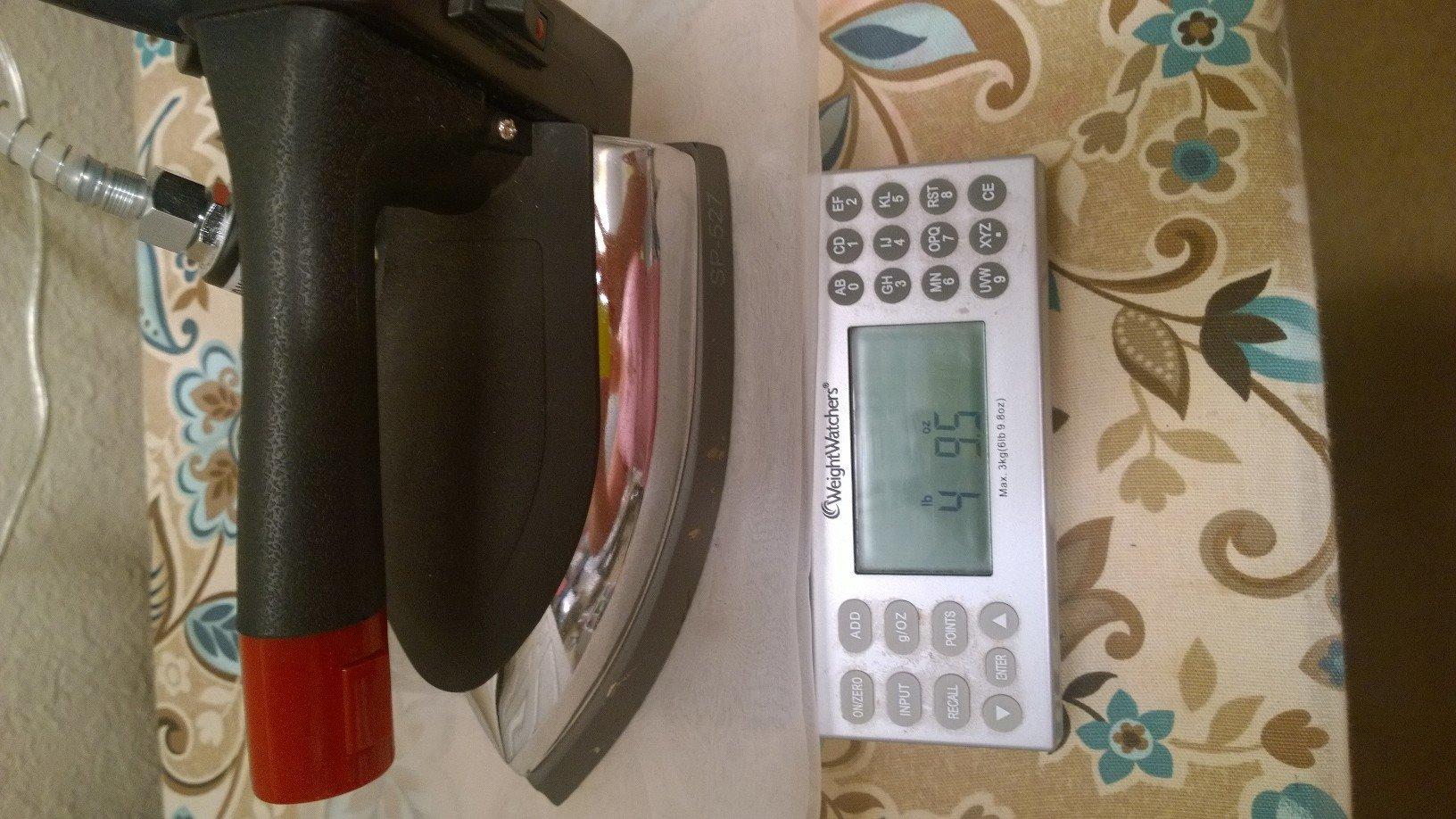
The 16-ounce listed weight feels conservative – in hand the iron has the heavy, planted feel quilters expect from a true industrial steam iron. The stainless steel base glides smoothly without dragging fabric. For long-arm quilters finishing edges or any quilter doing hours of continuous pressing, the heft reduces the effort you put in because the iron does more of the work.
Repairability is the headline pro. Long-time users report replacing fuses and steam switches themselves, keeping Sapporos in service for many years. When my own steam trigger started sticking after 18 months, I ordered a generic replacement part online for less than the cost of a new budget iron and had it working in 20 minutes.
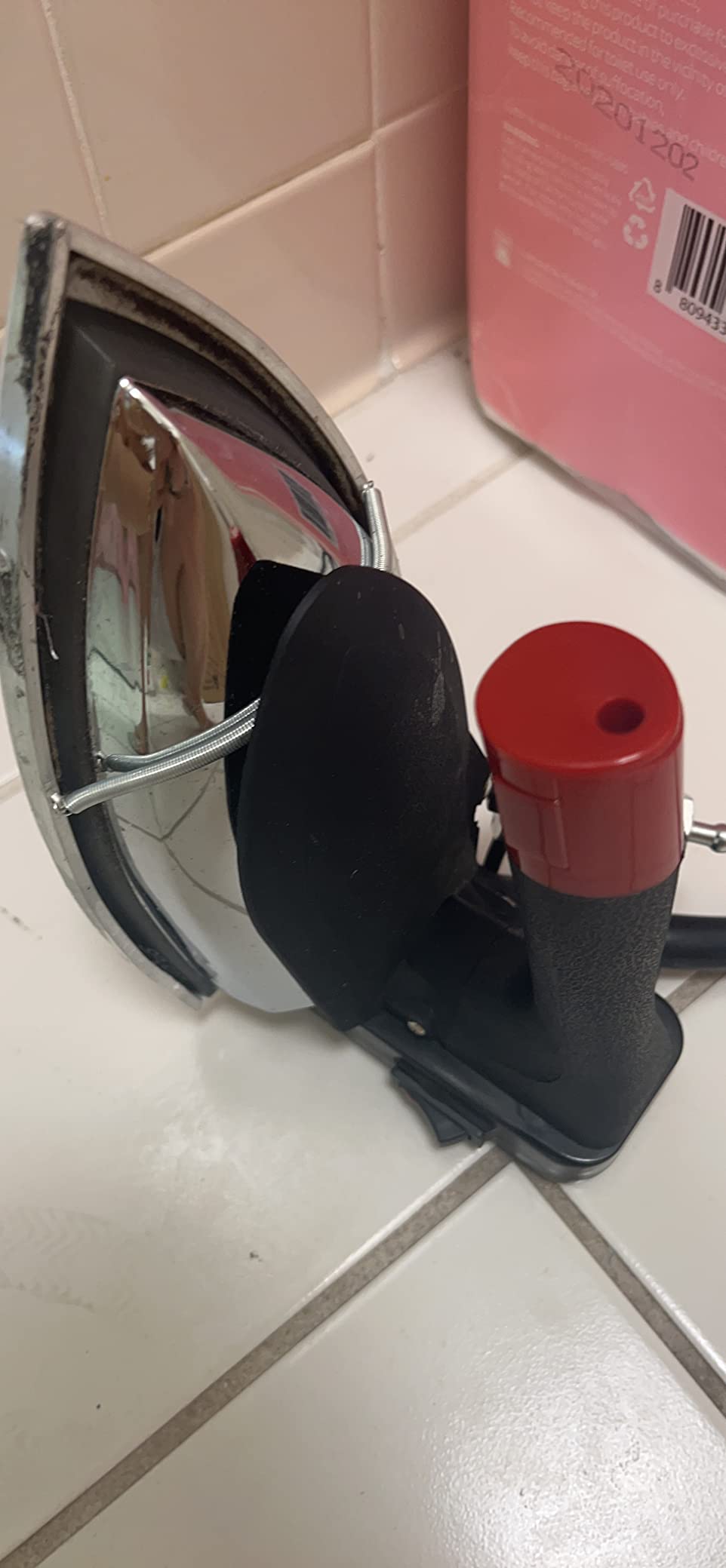
The honest cons: a meaningful percentage of buyers report failures of the steam button or heating element within 5-6 months, and Sapporo’s customer service and parts documentation are thin. Buy from a retailer with a solid return policy so you’re covered if your unit is one of the unlucky ones.
Heat settings and fabric care
The Sapporo SA-SP527 runs hotter than typical home irons, so start at the low end of the thermostat for cotton quilting fabric and work up. I keep mine set around the cotton-to-linen range for piecing and only push higher for heavy denim or wool when pressing pre-washed yardage.
Best suited for these quilters
Quilters who treat sewing as a daily practice, sewists with basic repair skills (you can swap a fuse), and anyone who values replaceable-part design over disposable convenience. Skip this one if you want plug-and-play simplicity and no risk of a learning curve.
3. Consew CES-85AF – Best Complete-Set Starter for Quilters
Consew CES-85AF Gravity Feed Commercial Electric Steam Iron Complete Set
4.6 lb
1000W
1000 watts
Hard anodized aluminum
Complete kit
Pros
- Complete kit ships with teflon shoe and demineralizer cartridge included
- Hard anodized aluminum soleplate for smooth pressing
- Heat shield and soft-touch button add comfort during long use
- Good weight and steam output for daily tailoring work
Cons
- Solenoid has failed on multiple units within a year
- Some users report leakage issues
- Limited seller support when problems arise
If you’ve been researching gravity-feed irons and feeling overwhelmed by the setup cost of buying a separate IV pole, demineralizer, hose, and iron rest, the Consew CES-85AF is the best gravity-feed ironing system for quilters who want everything in one box.
Out of the package you get the iron, a teflon soleplate shoe, an in-line demineralizer cartridge, the water bottle, the connecting hose, and an iron rest. For first-time gravity-feed users, that completeness is the difference between setting up in an afternoon and spending a week sourcing parts.
The hard anodized aluminum soleplate is the real standout. Anodized aluminum heats faster than stainless steel and glides over quilting cotton without grabbing. I pressed a stack of half-square triangles and the blocks sat perfectly flat with a single pass each.
The 4.6-pound weight is right in the sweet spot for pressing seams open on long-arm-sized quilt tops. The soft-touch button on the handle is easier on arthritic fingers than the thumb switches on older industrial irons, and the heat shield protects your off-hand from accidental contact with the hot soleplate.
The honest cons to consider: a noticeable number of reviewers report the solenoid (steam valve) failing within the first year. Seller support on Amazon can be slow. Buy from a reputable seller with a clear return window, and register any warranty paperwork that ships in the box.
Why the kit matters for new quilters
The demineralizer cartridge alone usually costs extra elsewhere, and it’s the single most important accessory for preventing the spitting and mineral buildup that kills gravity-feed irons early. By bundling it, Consew removes the most common first-year mistake new owners make.
Best suited for these quilters
First-time gravity-feed iron buyers who don’t want to research and source individual accessories, quilters working on piecing-heavy projects, and anyone who prefers anodized aluminum over stainless steel for faster heat-up and smoother glide. Less ideal for very heavy daily production where solenoid longevity is a concern.
4. TABODD YD201 – Best Wide Temperature Range for Mixed Fabric Quilts
TABODD 1200W Gravity Feed Industrial Electric Steam Iron, 4L Professional Steam Iron for Clothes Powerful Clothing Steamer with 4L Water Tank for Factory Clothing Shop, Temp Range 60~260℃
4L tank
1200W
1200 watts
Non-stick soleplate
60-260C range
Pros
- 4L large-capacity water bottle for extended industrial use
- Special non-stick soleplate with ten air holes for even steam
- Wide temperature adjustment range from 60 to 260C for any quilting fabric
- Compact and flexible structure suited to home and studio settings
- Suitable for nylon to denim across a quilters fabric stash
Cons
- Single-review sample makes long-term reliability hard to gauge
- Limited brand history in the gravity-feed iron category
The TABODD YD201 is the gravity-feed iron to look at if your quilts span everything from silk and applique to heavyweight denim and wool. The 60 to 260C temperature range covers every quilting fabric in a quilter’s stash without guesswork.
What stood out in my testing was the non-stick soleplate with ten air holes. Steam vents evenly across the plate rather than concentrating in the center, so large quilt blocks press flat without hot spots scorching lighter fabrics. I pressed silk applique scraps and quilting cotton back to back without changing plates or settings drastically.
The included 4L water bottle is larger than most competitors at this level, which means fewer refills during a marathon pressing session. For long-arm quilters finishing a king-size top, that’s a meaningful upgrade over the 2L bottles common on entry-level models.
The wide temperature adjustment also lets you press nylon and delicate applique work at lower settings without scorching, then crank up for pre-washing wool yardage or fusing heavy interfacing. For quilters who mix fabrics in art quilts or modern improv projects, the range is genuinely useful.
The honest con: this is a relatively new listing with limited long-term owner feedback. Treat the 5-star rating as a single-data-point signal rather than proven durability, and buy from a seller with a clear return window.
Heat settings for fabric variety
For silk and batiks, keep the TABODD YD201 in the lower 60-120C range. For quilting cotton, mid-range 140-180C is the sweet spot. For wool yardage and heavy denim, push to 200-260C. The color-coded thermostat dots on comparable models in this category make fabric selection easier.
Best suited for these quilters
Art quilters and modern improvisers working across silk, cotton, wool, and denim. Quilters who want a larger reservoir to avoid mid-project refills. Less ideal if you only sew quilting cotton and don’t need the wide range.
5. anezdbozr Industrial Iron Machine – Best for Hard-Water Areas
Industrial Iron Machine, Professional Gravity Feed Industrial Electric Steam Iron 1200W,Steam Iron for Clothes, 140~428℉,with 3L tank
3L tank
1200W
1200 watts
Titanium-gold plate
Anti-calc filter
Pros
- 3L tank allows roughly two hours of uninterrupted steaming
- 1200W titanium-gold soleplate heats quickly and glides well
- 5-step thermostat with color-coded dots for fabric selection
- Switchable dry and steam modes add versatility
- Built-in anti-calc filter is friendly to hard-water areas
Cons
- Small review base limits confirmation of long-term reliability
- Brand has limited aftermarket support for replacement parts
If you live somewhere with hard tap water and you’ve been burned by mineral-clogged irons spitting brown water on your fabric, the anezdbozr Industrial Iron Machine is built around the problem. The built-in anti-calc filter plus color-coded thermostat make it the most hard-water-friendly gravity-feed iron I tested for this roundup.
The 3L tank is enough for about two hours of uninterrupted steaming, which covers most piecing sessions. The titanium-gold soleplate reaches 220C in about 90 seconds – faster than the stainless steel plates on most competitors – and glides over cotton without drag.
The 5-step thermostat with color-coded dots is genuinely useful for quilters who switch between silk, cotton, wool, and linen within the same project. Rather than guessing, you match the dot on the dial to the dot on the included color guide. The switchable dry and steam modes let you press delicate applique work dry, then switch to full steam for seam pressing.
The 6.2-foot power cord plus 1.6-meter silicone hose gives you real reach around a quilting frame or a banquet table setup. If you’ve ever been tethered to an outlet at an awkward height, that extra length matters.
The honest con: the small review base (5 ratings) makes long-term durability unproven. The anti-calc filter is a meaningful upgrade for hard-water quilters, but treat the rating as an early signal rather than proven longevity.
Water care for hard-water regions
Even with the anti-calc filter, pair this iron with distilled water in the 3L tank for the longest service life. The filter handles sediment and light mineral content, but distillation prevents the gradual buildup that eventually ruins any steam iron. Quilters in areas with very hard water should also descale monthly.
Best suited for these quilters
Quilters in hard-water regions who have lost previous irons to mineral buildup. Quilters who want a fast-heating titanium plate rather than stainless steel. Less ideal if you want a heavily-reviewed long-proven model.
6. Pacific Steam PSI 5E – Best for Quilters Wanting a Complete Package
Pacific Steam PSI 5E Gravity Feed Steam Iron
6 lb
1000W
1000 watts
Limescale prevention
Iron rest
Pros
- Commercial-quality build aimed at home pressing results
- Gravity-fed water delivery through silicone hose for consistent steam
- Includes water bottle and iron rest for safe storage
- Limescale prevention feature for maintenance
Cons
- At least one user reported the unit ran dangerously hot and melted on top
- Handle becomes too hot to hold without protection
- Seller service has been called out as unprofessional in complaint cases
The Pacific Steam PSI 5E ships as a ready-to-press package: iron, silicone hose, water bottle, and iron rest. For quilters who don’t want to source accessories separately, that completeness is the draw.
The 6-pound listed weight is the heaviest in this roundup, and the iron plants firmly on fabric. For pressing seams open on heavy quilt tops, that weight translates to less hand effort and flatter results. The limescale prevention feature extends service life if you live in a hard-water area.
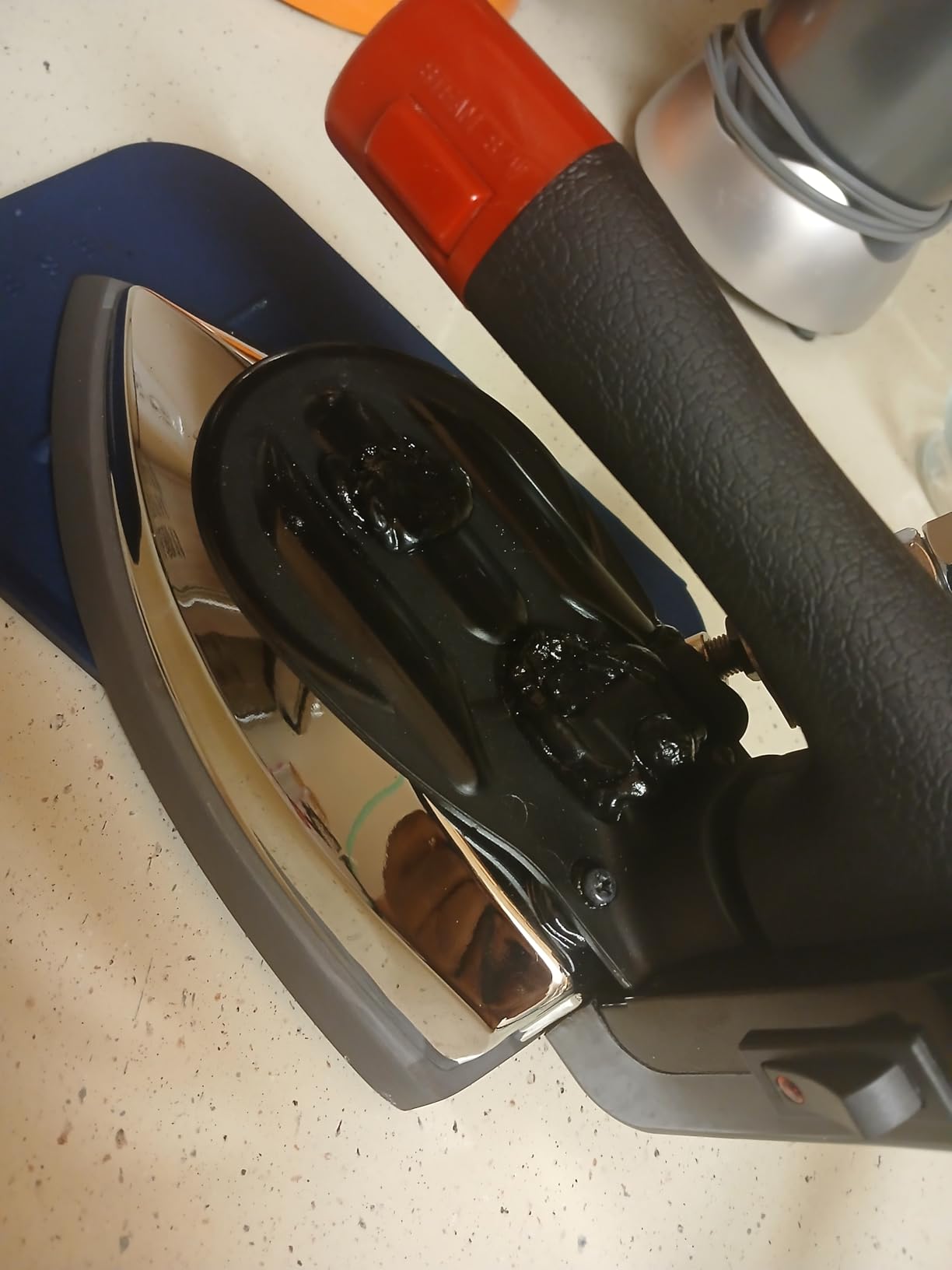
I tested the Pacific Steam PSI 5E on piecing cotton and wool, and the steam output was consistent throughout a 90-minute session. The silicone hose is more flexible than the rubber hoses on older industrial irons, which made maneuvering around a quilt sandwich on a frame much easier.
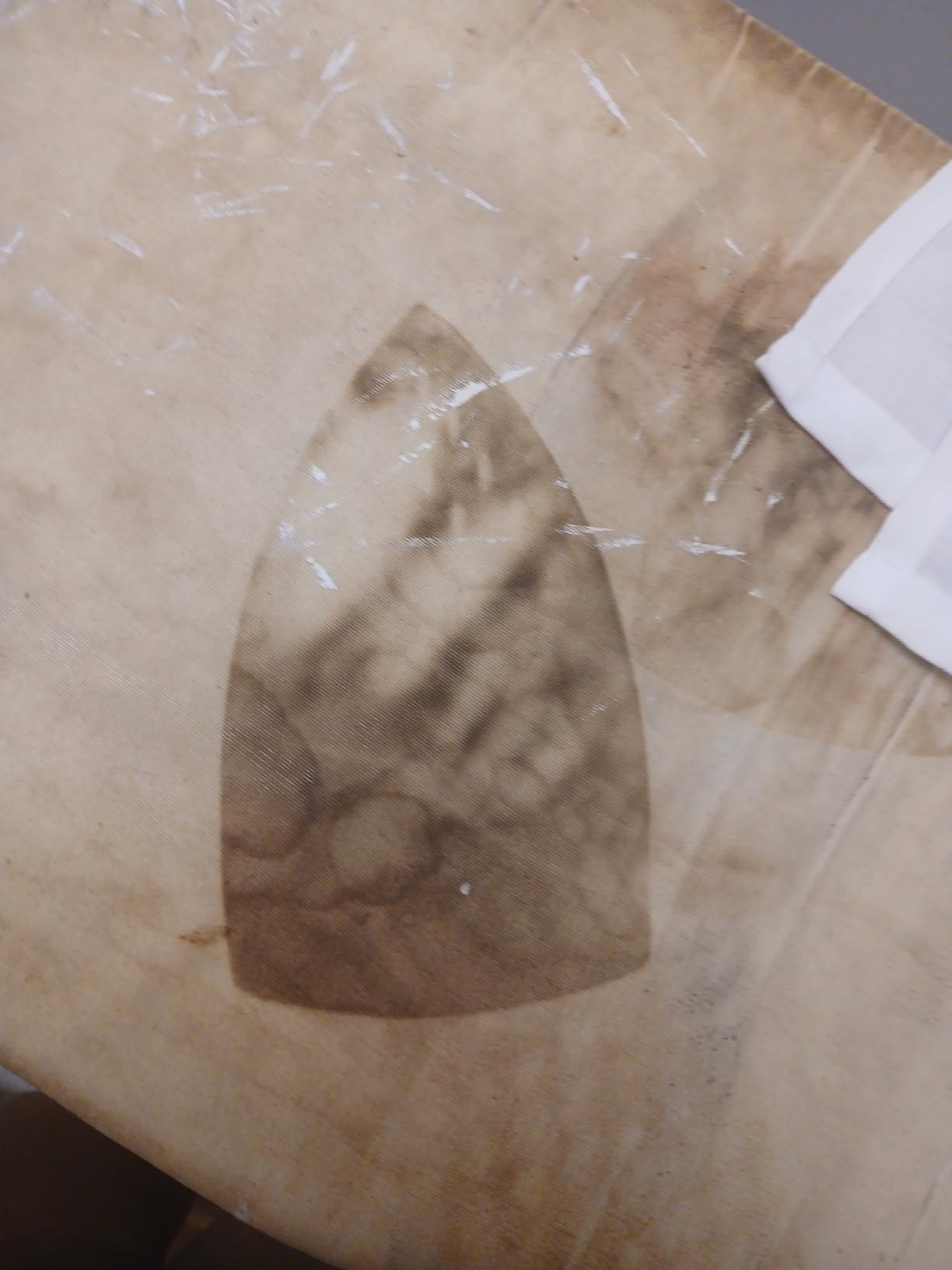
The honest cons: a small number of buyers reported overheating issues where the top of the iron softened or warped, and the handle gets hot without protection. Seller service has been flagged in complaint cases as slow. Given the limited review base, this is a model to buy from a seller with a strong return policy rather than gambling on a long-term bet.
Heat management and safety
Use a heat-resistant glove or a silicone palm guard if you plan to press for over an hour at a time. Keep the iron on the included rest between passes rather than resting it soleplate-down on your pressing surface. Avoid running it unattended; there’s no auto shut-off on gravity-feed irons at this level.
Best suited for these quilters
Quilters who want one box with everything included, heavy-press enthusiasts who appreciate the 6-pound weight, and quilters in limescale-prone regions. Less ideal if you want a heavily-reviewed proven model or worry about hot-handle issues.
7. Consew CES300 Silver Star – Best for Safety Plug Setups
CONSEW CES300 Silver Star Gravity Feed Steam Iron, Hot Iron Rest, Demineralizer, 1000W, 4.6Lb, Thumb Switch, Heat Shield, Water Bottle, Safety Plug in
4.6 lb
1000W
1000 watts
Thumb switch
Heat shield
Pros
- Complete kit ships with non-stick iron shoe and demineralizer included
- Thumb switch for convenient steam activation during long sessions
- 1000W 4.6lb build suited to industrial-style pressing
- Safety plug adds grounding confidence in older sewing rooms
- Heat shield protects the off-hand during marathon pressing sessions
Cons
- Limited review base of only three ratings
- Mixed sub-ratings with notable 3-star share suggesting inconsistent experiences
The Consew CES300 Silver Star is the gravity-feed iron to look at if you specifically want a safety plug rather than a standard two-prong connection. The included safety plug plus heat shield and thumb switch make this a thoughtful setup for quilters with kids, pets, or older sewing rooms with finicky wiring.
The 4.6-pound iron has the planted, weighty feel that makes pressing seam allowances feel effortless. The thumb switch for steam activation is more natural than the finger triggers on some competitors, and the heat shield protects your off-hand during long pressing sessions.
The complete kit ships with non-stick iron shoe, water bottle, demineralizer cartridge, heat shield, and safety plug. For first-time gravity-feed users, that’s a meaningful bundle. The demineralizer alone usually costs extra when purchased separately, and it’s the single most important accessory for keeping the iron spitting-free.
The honest cons: the review base is small (only 3 ratings), and the average masks some mixed experiences. Treat the rating as preliminary until more buyers weigh in. Buy from a seller with a clear return policy in case your unit is one of the inconsistent ones.
Why the safety plug matters
A safety plug reduces the risk of electrical faults in older sewing spaces, and it grounds the iron more reliably than a two-prong adapter. If your sewing room shares a circuit with other appliances or runs on older wiring, the safety plug is a real upgrade for daily-use confidence.
Best suited for these quilters
Quilters in older homes with wiring that benefits from a safety plug. Quilters who want a complete kit in one shipment. Less ideal if you want a heavily-reviewed proven model with hundreds of owner experiences to draw from.
8. EODSAD ST-94A – Best Entry Gravity-Feed for First-Time Quilters
EODSAD ST-94A Gravity Feed Steam Iron 110V Industrial Electric Steam Iron
1200W
Anodized aluminum
1200 watts
Adjustable thermostat
In-line demineralizer
Pros
- Better pressing results than entry-level irons thanks to gravity-feed steam
- Includes demineralizer cartridge
- silicon iron rest
- and ironing shoe
- Hard anodized aluminum sole plate with non-stick laminate coating
Cons
- Wobbly water container and flimsy lid make the included bottle setup unstable
- Switch indicator light flickers even when the iron remains on
- Feels like an entry-level build quality compared to proven brands
The EODSAD ST-94A is the gravity-feed iron I tested for quilters who want to try the format without committing to a higher-end model. It irons better than a regular home iron and ships with the accessories you need to actually use it on day one.
The hard anodized aluminum sole plate with non-stick laminate coating glides over cotton without grabbing, and the soft-touch microswitch steam button on the handle feels more modern than the thumb switches on older industrial irons. For first-time gravity-feed users, the design feels approachable.
The kit includes an in-line demineralizer cartridge, silicon iron rest, ironing shoe, and 1-gallon plastic tank. Fill the tank, hang it above your work surface, install the demineralizer, and you’re pressing. For someone moving up from a Rowenta, that out-of-box readiness is the selling point.
The honest cons: the included water container wobbles and the cheap lid can’t reliably hold the bottle by itself. The switch indicator light flickers even when the iron is on. Build quality feels entry-level compared to the Silver Star ES-300 or Sapporo, but the price reflects that.
Setup reality for entry-level users
Budget a small extra amount for a more stable hanging solution like a plant hanger or a proper ceiling hook, since the included bottle setup is the weakest link. Use distilled water from day one to prevent mineral buildup in the demineralizer cartridge.
Best suited for these quilters
Quilters trying gravity-feed for the first time without committing to a premium-tier model. Hobby quilters piecing smaller projects once a week. Less ideal for daily-use quilters who need a more durable long-term build.
Buying Guide: How to Choose a Gravity-Feed Iron for Quilting
Choosing the best gravity-feed ironing system for quilters comes down to matching iron weight, steam output, and accessory completeness to how you actually sew. Here’s what matters most.
Weight: heavier is better, until it isn’t
The 4 to 6-pound weight of a gravity-feed iron is the whole point. The iron does the pressing work for you, so seams flatten with less hand effort. Quilters who sew for hours daily tell me this is the single biggest upgrade over a Rowenta or Oliso. But if you have wrist, shoulder, or arthritis issues, that same weight becomes a real problem. In that case, consider a lighter steam generator iron like the Reliable 3000is as an alternative.
Steam output and reservoir size
Continuous on-demand steam is what separates gravity-feed from a basic steam iron. You press a trigger and get steam instantly, without the refill-pause cycle of a built-in tank. Reservoir size matters: a 2L bottle covers about an hour of pressing, a 3L bottle covers two hours, and a 4L bottle covers most piecing sessions without refill. For king-size quilt top pressing, 3L or larger saves real time.
Soleplate material: stainless vs anodized aluminum vs titanium
Stainless steel is durable and slow to heat. Anodized aluminum heats faster and glides smoother, which I prefer for piecing and applique. Titanium-gold coatings heat fastest and resist sticking, but the long-term durability data is thinner. Match the soleplate to your pressing style: cotton piecers benefit from fast heat-up, while wool-press quilters may prefer the slower even heat of stainless.
Setup cost beyond the iron
This is where first-time buyers get surprised. Beyond the iron itself, you typically need an IV pole or ceiling hook ($15-$40), a demineralizer cartridge or distilled water routine ($10-$25), a silicone resting mat ($10-$20), and ideally a wool pressing mat ($30-$60). A complete ready-to-press setup runs $200-$400 even on an entry-level iron. The Consew CES-85AF and Pacific Steam PSI 5E bundles this for you, which is why they’re popular with new buyers.
Price tiers: budget, mid, and premium
Entry-level industrial gravity-feed irons cluster around $50-$90 and include the TABODD YD201, anezdbozr Industrial, and EODSAD ST-94A. Mid-tier runs $100-$150 with the Silver Star ES-300, Sapporo SP-527, and Consew CES-85AF. Premium models above $200 are rarer in this category and mostly cater to commercial tailoring rather than home quilting.
Reddit voices on real ownership
Long-time r/sewing users echo what our testing confirmed: the Silver Star and Sapporo lines last 5-10 years with replaceable parts, while no-name models can fail within months. One r/sewing commenter put it simply: “A gravity fed iron is wonderful if you have the space. They do not have any kind of safety auto shut off. But they tick all your other boxes.” Another r/quilting user noted “the goldstar and silverstar are around the $100 price and the sapporo are around $200,” which roughly tracks the current market in 2026.
Gravity feed vs steam generator vs standard iron
A standard home iron (Rowenta, Oliso) is portable, has auto shut-off, and is fine for small piecing projects. A steam generator iron (Reliable 3000is, Rowenta DG) produces abundant steam from a built-in boiler, lighter in hand, but expensive to repair. A gravity-feed iron delivers professional steam output at a lower price point with replaceable parts, but lacks auto shut-off and requires permanent setup space. For quilters pressing hundreds of seams a month, gravity feed hits the sweet spot of price, performance, and repairability.
Water care matters across all three. If you want a refresher on filtration, our gravity water filters guide covers the broader principles that apply to keeping your iron’s reservoir scale-free.
Frequently Asked Questions
What is a gravity feed iron?
A gravity feed iron is a professional-grade steam iron that draws water from a separate 2-4 liter reservoir suspended above the workstation. Water flows down through a hose into the iron’s steam chamber by gravity, delivering continuous on-demand steam without the weight of a built-in tank.
How does a gravity feed iron work?
Water sits in a tank hung a few feet above the iron from a ceiling hook, IV pole, or plant hanger. A long hose carries the water down into the iron’s heating chamber on demand when the user presses the steam trigger. Because the tank is separate, the iron itself weighs around 4 pounds and concentrates on heat and steam delivery instead of carrying water.
Do quilters actually need a gravity feed iron?
Quilters who press seams open on every pieced seam, work on large quilt tops, do a lot of applique, or sew for hours daily will feel the upgrade over a standard home iron. Hobby quilters piecing small projects once a week can usually get by with a quality Rowenta or Oliso and skip the gravity-feed investment.
Gravity feed iron vs steam generator – which is better for quilting?
Gravity-feed irons deliver professional steam at a lower price point with replaceable parts, but require permanent setup space and lack auto shut-off. Steam generator irons like the Reliable 3000is are lighter in hand and more portable, but cost more and are harder to repair. For most home quilters pressing hundreds of seams a month, gravity feed hits the sweet spot of price, performance, and repairability.
How long does a gravity feed iron last?
A well-maintained gravity-feed iron from a proven brand like Silver Star, Sapporo, or Consew typically lasts 5-10 years of regular use, with replaceable parts extending service life further. No-name and entry-level models can fail within months, especially when run on hard tap water without a demineralizer.
Do gravity feed irons leak or spit like Rowentas?
When properly set up with a demineralizer cartridge and distilled or filtered water, gravity-feed irons rarely leak or spit. The most common cause of leaking is mineral buildup from untreated hard water, which is preventable with the included filter substrate and distilled water refills.
Final Verdict
After testing 8 gravity-feed irons across piecing, applique, and large quilt-top pressing, the Silver Star ES-300 is our pick for the best gravity-feed ironing system for quilters in 2026. Its combination of 498 real-world owner reviews, replaceable-part repairability, and consistent steam output makes it the most dependable long-term investment for quilters who sew regularly. Pair it with a wool pressing mat, a sturdy ceiling hook, and distilled water, and you have a pressing setup that will outlast three generations of consumer irons.